


Kia K4 Hatch Price Revealed: Costs More Than Sedan, Sparks Curiosity with Its Competitive Edge Over Civic
 By
Graham Pettigrew
By
Graham Pettigrew
| IN A NUTSHELL |
|
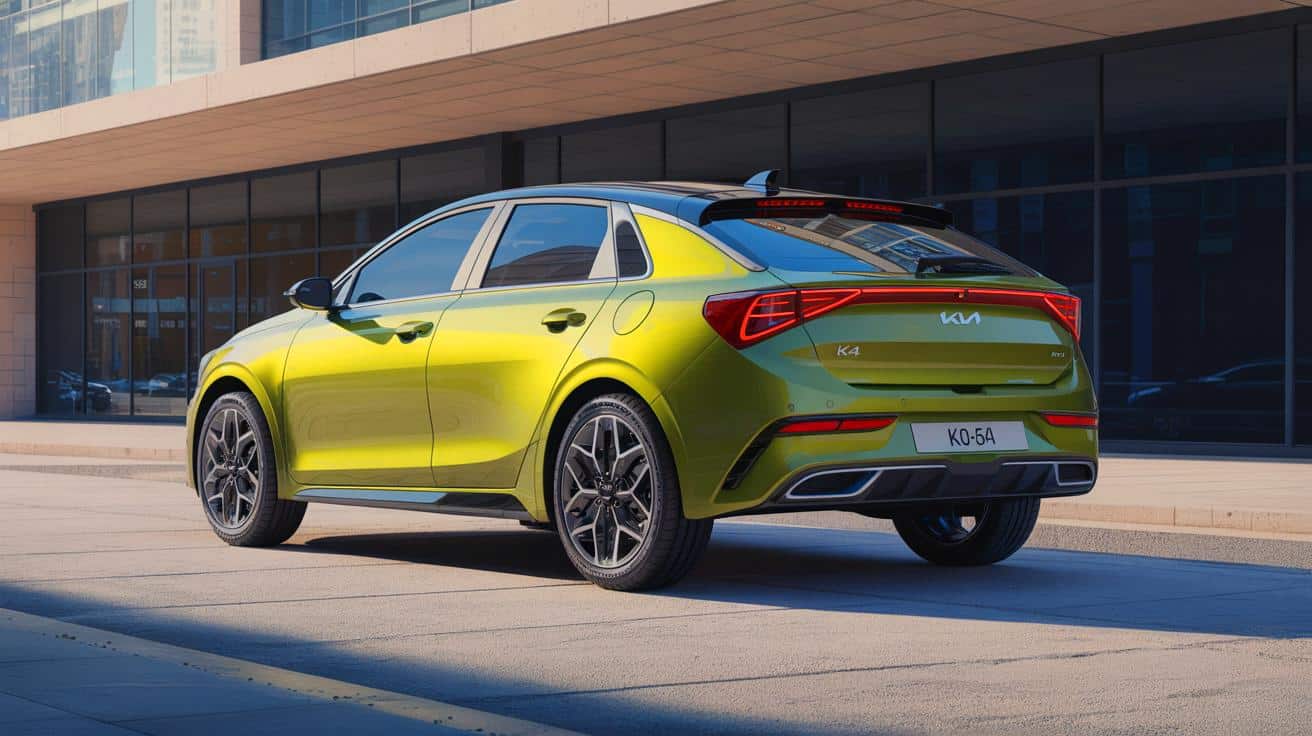
Kia’s latest entry into the competitive hatchback market is the 2026 K4, poised to attract attention with its blend of pricing and features. With a starting price of $26,085 for the EX trim, the K4 hatchback is strategically positioned between the sedan variant and the pricier Honda Civic hatchback. This move underscores Kia’s commitment to affordability while maintaining a competitive edge in the compact car segment. As the automotive landscape continues to evolve, Kia’s new hatchback seeks to carve out a niche by offering a distinct balance of performance, style, and value.
The K4 Hatchback: An Affordable Entry
The 2026 Kia K4 hatchback begins at $26,085 for the EX trim level, marking a $500 increase over its sedan counterpart. This price point situates the K4 below its chief competitor, the Honda Civic hatchback, which starts at $28,990. The K4 aims to attract budget-conscious buyers without sacrificing essential features. The EX trim comes equipped with a 2.0-liter four-cylinder engine producing 147 horsepower. This engine is paired with a continuously variable automatic transmission, offering a reliable driving experience.
Unlike the sedan, the hatchback does not offer the more economical LX and LXS trims. Instead, the lineup starts with the EX, which is designed to offer a balance of affordability and functionality. Kia’s decision to exclude lower trims from the hatchback lineup suggests a focus on delivering a more refined driving experience from the outset. This strategy could appeal to buyers seeking a well-rounded vehicle without venturing into the higher price brackets of the segment.
Trim Levels and Performance
The K4 hatchback is offered in three trims: EX, GT-Line, and GT-Line Turbo. The GT-Line, starting at $27,085, mirrors the EX’s engine but adds a sportier aesthetic and additional equipment. This trim aims to attract those looking for a blend of style and performance at a mid-tier price. The top-tier GT-Line Turbo, priced at $29,985, features a 1.6-liter turbocharged engine with 190 horsepower, catering to those who desire more power.
Performance metrics differentiate the K4 from its sedan sibling, although both share similar engine configurations. The GT-Line Turbo, with its enhanced horsepower, provides a significant upgrade for performance enthusiasts. These options ensure that the K4 can appeal to a broad audience, from practical commuters to those seeking a more dynamic driving experience. Kia’s strategic pricing across these trims aims to capture a diverse market segment.
Comparison With Competitors
The K4 hatchback’s pricing positions it competitively within the compact hatchback market. Compared to the Honda Civic hatchback’s nearly $29,000 starting price, the K4 offers a more affordable alternative. Similarly, the Mazda 3 hatchback starts at $26,785, closely aligning with the K4’s pricing structure. The Toyota Corolla hatchback, priced at $25,375, slightly undercuts the K4, yet lacks some of the features offered by Kia.
Another noteworthy competitor is the Subaru Impreza, which starts at $27,790 and includes all-wheel drive as a standard feature. While the Impreza’s AWD capability may attract buyers in regions with harsh weather conditions, the K4’s competitive pricing and trim options present a compelling case for those prioritizing value. The variety of choices within this segment underscores the importance of balancing cost, features, and performance.
Supercar maintenance: Tips for keeping your ride in top shape
Fuel Efficiency and Availability
The K4 hatchback’s fuel efficiency ratings are competitive, albeit slightly lower than the sedan variant. The EX and GT-Line models achieve a combined rating of 30 mpg, while the GT-Line Turbo is rated at 28 mpg. These figures are adequate for the segment, although some competitors may offer slightly better efficiency. The K4 hatchback is expected to arrive at U.S. dealerships in early 2026, signaling Kia’s readiness to compete in a crowded market.
As fuel efficiency remains a significant factor for many consumers, Kia’s offering aligns with market expectations. The early 2026 launch positions the K4 to capitalize on potential shifts in consumer preferences and market trends. The balance between performance and efficiency will likely play a crucial role in its reception, particularly as consumers weigh their options against well-established competitors.
As the automotive industry responds to evolving consumer preferences and economic factors, Kia’s introduction of the K4 hatchback presents a strategic move. By offering a blend of affordability, performance, and style, Kia aims to capture a diverse segment of the market. How will these factors influence the hatchback’s success in a highly competitive field? Will Kia’s pricing strategy resonate with the target audience in the long run?