

“McLaren Breaks Tradition”: CEO Confirms Plans for Multi-Seat Models, Nio Partnership, and a Future Electric Supercar by 2030
 By
Renée Castellano
By
Renée Castellano
| IN A NUTSHELL |
|
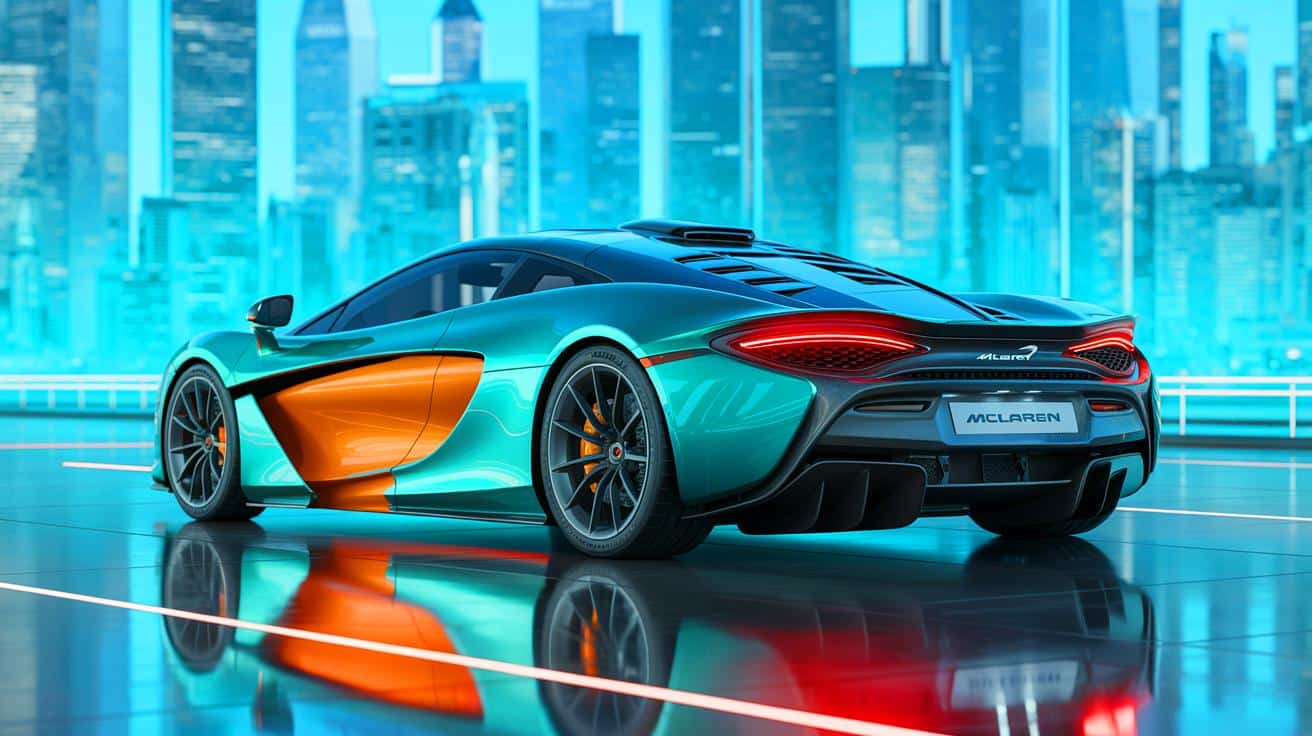
McLaren, the iconic British automaker renowned for its cutting-edge supercars, stands at a crossroads. Recent developments, including its acquisition by CYVN Holdings (a division of Saudi Arabia’s sovereign wealth fund) and a merger with the British electric vehicle startup Forseven, have left the industry speculating about its future. In a recent interview with Car Magazine UK, McLaren’s newly appointed CEO, Nick Collins, shed light on the company’s strategic direction. His revelations suggest a bold new era for McLaren, as the company looks to expand its offerings beyond its traditional supercar lineup. These insights come at a time when the automotive industry is rapidly evolving, driven by shifting consumer preferences and technological advancements.
Expansion Beyond Supercars
In a significant shift for McLaren, CEO Nick Collins confirmed that the company plans to broaden its product lineup beyond its traditional supercar focus. While he stopped short of confirming the development of a McLaren SUV akin to Ferrari’s Purosangue, Collins hinted at the company’s intention to explore “adjacent segments.” This move is part of a broader strategy to diversify McLaren’s offerings and appeal to a wider audience.
Collins’s remarks suggest that McLaren is keen to break new ground by introducing models with “more than two seats.” This potential expansion into new vehicle categories could signal a departure from McLaren’s long-standing emphasis on two-seater performance cars. The decision aligns with the industry’s growing trend of luxury automakers entering the SUV market, driven by strong consumer demand for versatile and spacious vehicles.
“You will certainly see something with more than two seats, but that still leaves us with quite a broad territory. And as I said, even in the two-seat territory, we could have a lot more diversity,” Collins shared.
Strategic Partnerships and Technological Integration
As McLaren charts its future course, the company is set to leverage its strategic partnership with Chinese automaker Nio. CYVN Holdings, McLaren’s new owner, holds a 20 percent stake in Nio, providing a unique opportunity for collaboration. Collins revealed that McLaren will incorporate Nio components into its vehicles sooner than expected, emphasizing the importance of this partnership in enhancing production efficiency.
McLaren’s collaboration with Nio is not about creating faster cars but rather about optimizing the production process. By integrating Nio’s expertise and components, McLaren aims to build its vehicles more quickly and efficiently. This strategic move underscores the growing trend of cross-border collaborations in the automotive industry, as companies seek to harness each other’s strengths to stay competitive in a rapidly changing market.
“You will see Nio components in McLarens much sooner than you think, at the component level, even in the current range. We have worked with them to make a better McLaren more quickly. Not a faster car, but a car built in less time,” Collins stated.
https://leftlanenews.com/they-kept-it-hidden-for-decades-the-sultan-of-bruneis-ultra-rare-mclaren-f1-heads-to-auction-at-21-million/1955/
Future Product Roadmap
Looking ahead, McLaren has outlined its product roadmap through 2030, with preliminary designs already completed for each upcoming model. This forward-thinking approach reflects the company’s commitment to innovation and adaptability in an evolving automotive landscape. While specific details about the future lineup remain under wraps, Collins’s comments suggest that McLaren is poised to introduce a range of diverse vehicles that cater to various consumer preferences.
Speculation about a potential McLaren SUV has persisted for some time, and Collins has previously hinted at the possibility. However, the company’s focus on electric vehicles is also noteworthy. While an electric McLaren is not imminent, Collins acknowledged that it remains part of the company’s long-term vision. This aligns with the global shift towards electric mobility and underscores McLaren’s commitment to sustainability and environmental responsibility.
Navigating an Uncertain Future
Despite the uncertainty surrounding McLaren’s future, Collins’s insights offer a glimpse into the company’s evolving strategy. The merger with Forseven and the partnership with Nio highlight McLaren’s focus on innovation and collaboration as it navigates a rapidly changing industry. The introduction of models with more than two seats and the potential development of an electric vehicle signify a willingness to adapt and explore new opportunities.
As McLaren embarks on this transformative journey, industry observers and enthusiasts alike will be watching closely. The coming years will undoubtedly be pivotal for the legendary automaker as it seeks to balance its heritage with the demands of a dynamic marketplace. What innovations can we expect from McLaren in the years ahead, and how will they shape the future of the automotive industry?