


“Koenigsegg Plans Cheaper Supercars Now”: Swedish Hypercar Maker Considers $300,000 Sports Cars While Ferrari Owners Watch Brand Go Mainstream Forever
 By
Graham Pettigrew
By
Graham Pettigrew
| IN A NUTSHELL |
|
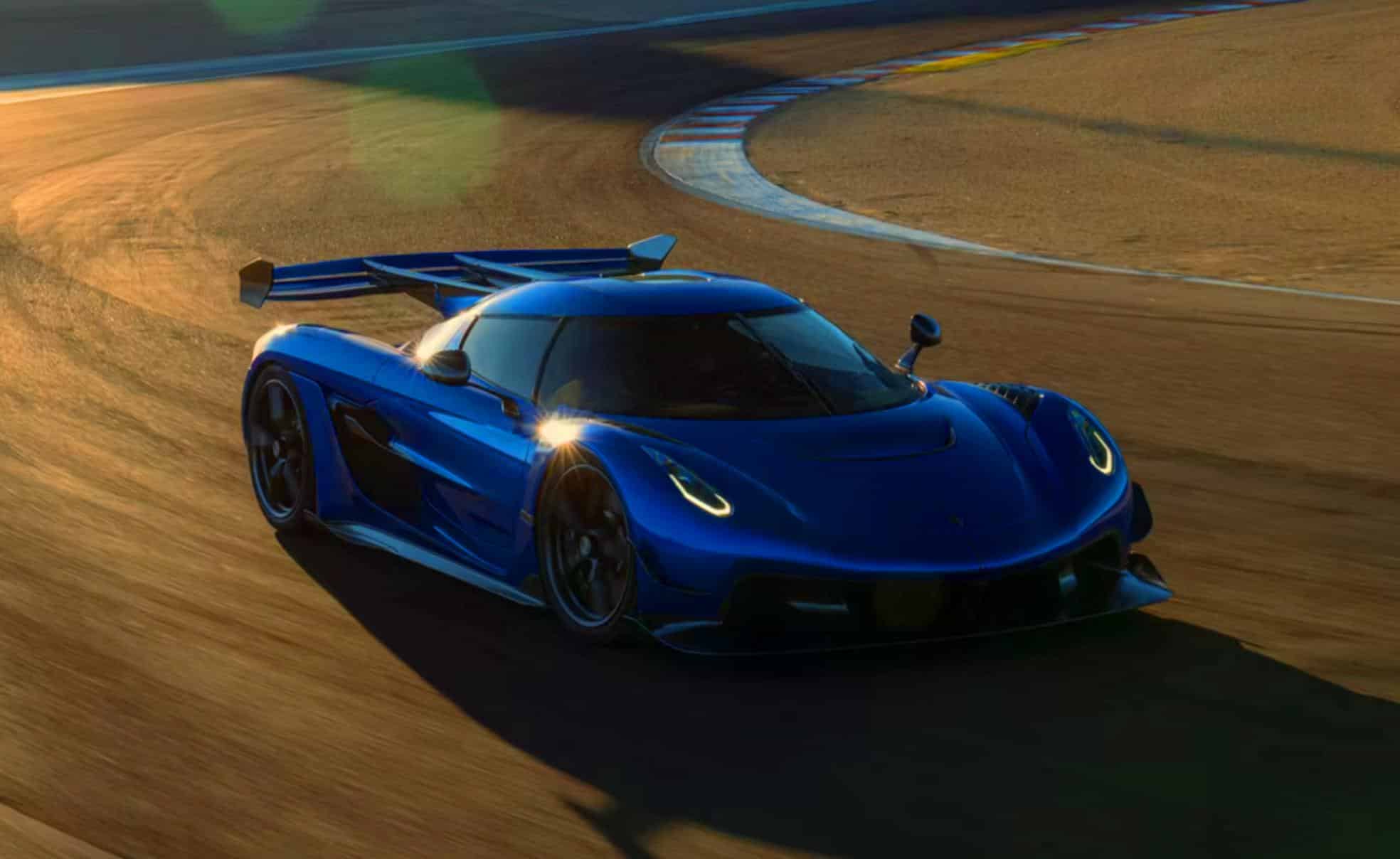
For over three decades, Koenigsegg has been synonymous with extreme performance and exclusivity in the automotive world. Known for crafting hypercars that are both technological marvels and symbols of ultimate luxury, the Swedish manufacturer has maintained a reputation for producing limited-edition vehicles that sell for millions. However, the company is now contemplating a significant shift in its strategy. There are whispers of a more “accessible” sports car emerging from the halls of Koenigsegg, challenging the brand’s own traditions. Could this be the precursor to a new era for the automaker, or is it merely a passing thought?
The Birth of a Broader Range at Koenigsegg
The very essence of Koenigsegg lies in its rarity. Founded by Christian von Koenigsegg, the brand has thrived on exclusivity. Yet, in a recent conversation with CarBuzz, von Koenigsegg hinted at exploring uncharted territories with a more democratized sports car offering. “We’ve considered increasing our production volume with simpler and more accessible models,” he noted, marking a potential pivot from the dizzying price tags of models like the Jesko or Gemera. However, a Koenigsegg “accessible” car would still sit in the realm of Ferrari or Lamborghini pricing, rather than that of a Porsche 911 or a Mercedes-AMG.
Producing a few dozen hypercars annually is one thing. Launching a mass-production sports car is another. The company would need to significantly expand its industrial capacity, hire more workforce, and establish a process capable of meeting a broader demand. This strategic shift could place Koenigsegg in a competitive landscape it has never navigated before.
Positioned Between Ferrari and Lamborghini, Not Porsche and Toyota
Christian von Koenigsegg acknowledges that transitioning from ultra-limited production to a broader model would be "a whole different animal" for the company. Caution is paramount, with steps taken to ensure that neither exclusivity nor quality (hallmarks of the brand) are compromised. Even envisioning an "entry-level" sports car, it's improbable that Koenigsegg would price below $200,000 to $300,000. This price point targets buyers torn between a Lamborghini Huracán and a Ferrari F8 Tributo, rather than those considering a Porsche or a Corvette.
With its expertise in powerful engines and proprietary technologies, such as the Koenigsegg Direct Drive transmission and innovative hybrid engines, the brand is well-equipped to develop a distinctive sports car. Yet, the challenge remains in ensuring profitability. As a business, Koenigsegg must sell enough models to sustain itself, even as it seeks to broaden its market appeal.
A Strategy Balancing Dream and Reality for Koenigsegg
As of now, no concrete announcements have been made, with Koenigsegg maintaining a focus on its flagship models, Jesko and Gemera, while gradually increasing industrial capacity. The idea of a "more accessible" supercar seems to gauge market and fan reactions rather than signal immediate production plans. Even if such a car materializes, it will remain an exceptional machine, reserved for a slightly expanded but still affluent clientele.
Imagining a Koenigsegg available to the masses is an illusion. However, a Ferrari-priced sports car from Ängelholm seems plausible. The question is whether the brand is willing to dilute its ultra-exclusive image to capture a larger market. For enthusiasts, this raises a simple question: would you prefer to see more Koenigseggs on the road, even at the cost of some rarity, or preserve the myth for a select few?
Challenges and Opportunities Ahead
Koenigsegg's potential move into a broader market is fraught with challenges. The brand must navigate the complexities of scaling production while maintaining its high standards of quality and exclusivity. Expanding into this new realm will require strategic investments in manufacturing capabilities and workforce expansion. The company must also consider the impact on its brand identity, which has long been built on the allure of scarcity.
Yet, this strategy also presents opportunities. By tapping into a wider audience, Koenigsegg could enhance its financial stability and brand influence. The company has the potential to redefine what it means to be a high-performance luxury brand, offering more enthusiasts a taste of its engineering prowess. As Koenigsegg contemplates this bold move, the automotive world watches with anticipation, eager to see how this storied brand will evolve.
As Koenigsegg stands at this crossroads, the implications of its decisions will reverberate throughout the automotive industry. The balance between exclusivity and accessibility is a delicate one. Will Koenigsegg embrace a new identity, or will it hold steadfast to its roots? The answer lies in the company's ability to innovate while staying true to its core values. How will Koenigsegg shape the future of luxury sports cars, and what does this mean for its place in the pantheon of automotive legends?