

“Mercedes Makes Cars Completely Vegan Now”: This German Luxury Brand That Eliminated All Animal Products While Charging $100,000 For Fake Leather
 By
Owen Fairbrother
By
Owen Fairbrother
| IN A NUTSHELL |
|
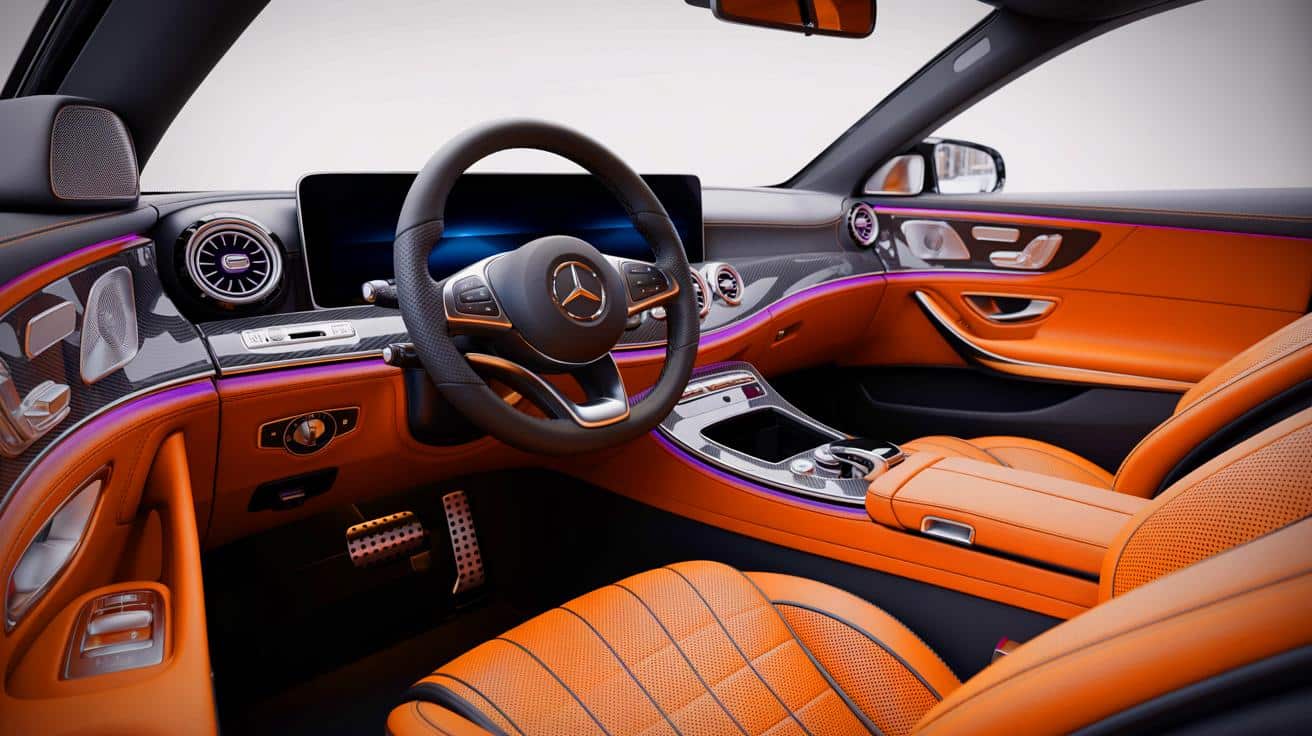
In a groundbreaking moment for the automotive industry, Mercedes-Benz has unveiled the world’s first car with a vegan-certified interior. This innovation marks a significant shift towards sustainable and ethical practices in car manufacturing. The new Mercedes-Benz GLC, featuring a completely vegan interior certified by The Vegan Society, aims to cater to environmentally-conscious consumers seeking alternatives to traditional leather and animal-based materials. This move not only highlights the brand’s commitment to sustainability but also sets a precedent for other manufacturers to follow in an increasingly eco-aware market.
Pioneering Vegan Interiors in the Auto Industry
Mercedes-Benz’s commitment to sustainability has reached new heights with the introduction of vegan-certified interiors in their vehicles. By partnering with The Vegan Society, the company ensures that all materials used in the interior are free from animal products. This pioneering step involves a comprehensive audit of materials such as leather replicas, microfibre fleece, and other textiles to guarantee they are devoid of animal-derived components.
The certification process is stringent. It involves the evaluation of around 100 material components from various suppliers to meet the high standards set by both Mercedes-Benz and The Vegan Society. The result is a vehicle interior that not only meets quality expectations but also appeals to consumers who prioritize ethical and sustainable practices. The Vegan Society’s “Vegan Trademark” is a globally recognized certification that adds an extra layer of trust and transparency for consumers.
The Vegan Package: More Than Just Seat Covers
The Mercedes-Benz GLC with the Vegan Package goes beyond offering vegan seat covers. It extends the vegan certification to other interior components like the steering wheel, headliner, door panels, and even the carpeting. This comprehensive approach ensures that customers can enjoy a truly vegan experience each time they enter the vehicle.
The decision to include multiple interior elements reflects Mercedes-Benz's dedication to a holistic approach to sustainability. By not limiting the Vegan Package to just the seats, Mercedes-Benz provides a complete solution for consumers seeking cruelty-free alternatives. Additionally, many of these materials incorporate a high content of recycled materials, further reducing the environmental footprint of the vehicle.
How supercars are changing the face of automotive technology
High Standards and Rigorous Testing
Ensuring the integrity of the vegan interiors involves rigorous testing and collaboration with suppliers. Mercedes-Benz has worked closely with The Vegan Society to audit and improve materials currently used in its vehicles. If any material showed signs of animal-based components, alternatives were developed and tested to maintain high quality and perceived value.
This meticulous process underscores the brand's commitment to maintaining its reputation for luxury and quality while embracing sustainability. The Vegan Society's certification standards are particularly stringent, requiring that all products are developed without the use of animal products or testing. This level of scrutiny ensures that the certification is meaningful and trustworthy, aligning with Mercedes-Benz's values of transparency and customer trust.
Impact on the Automotive Market
The introduction of vegan-certified interiors by a leading automotive brand like Mercedes-Benz is likely to influence the broader market. As consumers become more aware of the environmental and ethical implications of their purchases, the demand for sustainable and cruelty-free products is expected to rise.
This innovation may prompt other car manufacturers to follow suit, potentially leading to a broader shift in industry standards. The success of the Vegan Package in the Mercedes-Benz GLC could pave the way for its adoption in other models, expanding the availability of vegan options for consumers. As the industry evolves, manufacturers will need to balance luxury and sustainability to meet changing consumer expectations.
As Mercedes-Benz pioneers the integration of vegan-certified interiors in the automotive industry, it raises a vital question: Will other manufacturers embrace similar sustainable practices, and how might this shift impact the future of car manufacturing on a global scale?