



| IN A NUTSHELL |
|
Under the stewardship of Audi, Lamborghini has transformed from its tumultuous past into a powerhouse in the automotive world. The brand, once struggling with ownership changes and financial distress in the late 1970s, has found stability and growth under Volkswagen Group’s guidance since the late 1990s. Today, Lamborghini enjoys unprecedented success, delivering a record 10,687 cars in 2024. This financial strength has allowed the company to venture into niche models like the Huracan Sterrato, with more ambitious projects on the horizon. Lamborghini’s current trajectory signals a willingness to explore bold new directions, expanding beyond traditional road-focused supercars.
The Evolution of Lamborghini: Stability and Growth
Lamborghini’s journey from chaos to stability is nothing short of remarkable. In the late 1970s, the company faced bankruptcy, with ownership changing hands frequently. The introduction of the Countach may have marked an era of wild design, but it did not translate into financial success. It wasn’t until the late 1990s, when Volkswagen Group took control, that Lamborghini began its path to recovery. Under Audi’s guidance, the brand focused on creating exotic cars that combined performance with practicality, a strategy that has paid off handsomely.
In recent years, Lamborghini has broken sales records, delivering thousands of cars annually. This growth has been fueled by a strong commitment to innovation and quality, positioning the company as a leader in the luxury automotive sector. Lamborghini’s success is not just measured in sales numbers but also in its ability to captivate enthusiasts with models that push the boundaries of design and engineering.
Exploring New Frontiers: Niche Models and Bold Ideas
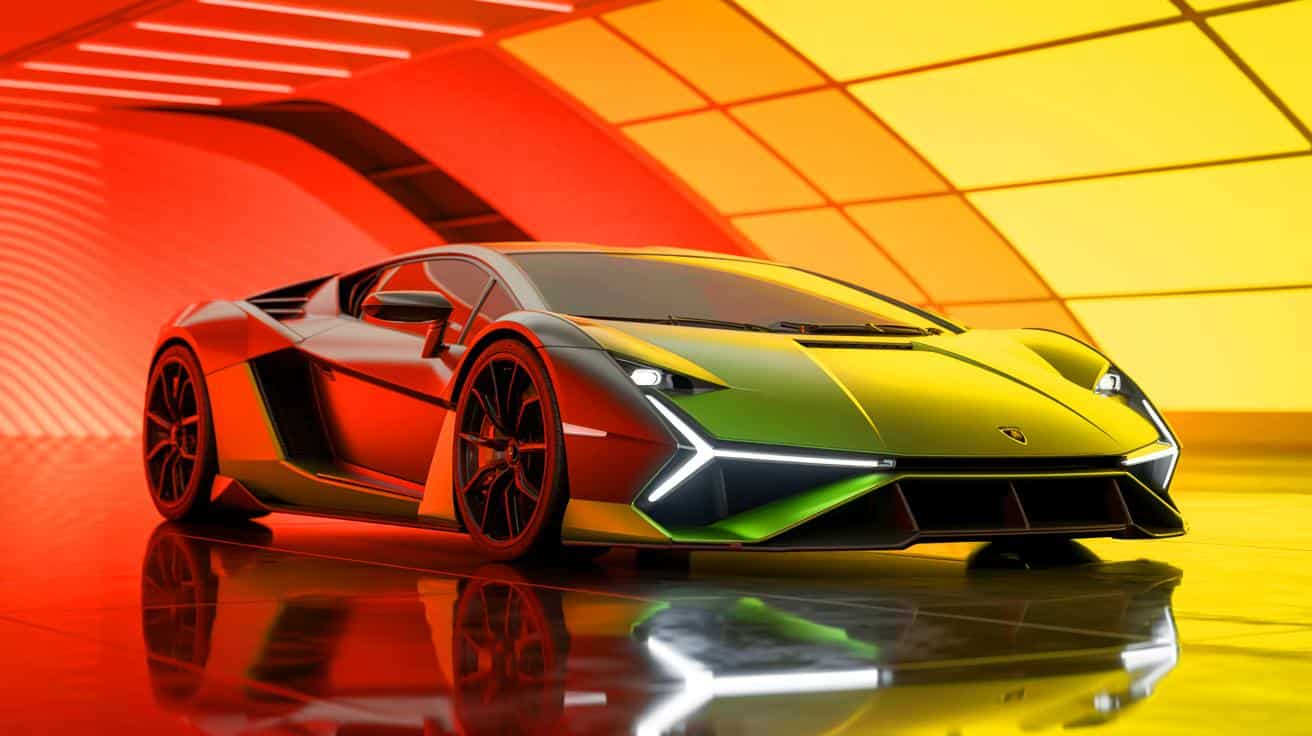
With a solid financial foundation, Lamborghini is now exploring new frontiers in automotive design. The introduction of niche models like the Huracan Sterrato exemplifies the brand's willingness to experiment. Federico Foschini, head of sales and marketing, has hinted at even more daring models to come. The potential for off-road variants of existing models, like a rugged version of the Revuelto, highlights Lamborghini's commitment to innovation.
Lamborghini sees a clear demand for unique projects, and the success of the Sterrato has encouraged the brand to continue pushing boundaries. Foschini's statement, "We are always looking for crazy things in all dimensions," underscores Lamborghini's dedication to exploring unconventional ideas. Whether through elevated exotics or entirely new concepts, Lamborghini is embracing creativity and risk-taking as part of its brand identity.
How supercars are changing the face of automotive technology
Hybrid Powertrains: A Necessary Evolution
As the automotive industry adapts to stricter emissions regulations, Lamborghini is exploring hybrid technology as a bridge to the future. The second-generation Urus will retain a gasoline engine, augmented by a plug-in hybrid system. Similarly, the initially all-electric Lanzador is now expected to arrive as a plug-in hybrid electric vehicle (PHEV) in 2029. This shift reflects Lamborghini's strategy to balance performance with environmental responsibility.
Hybrids are essential for low-volume manufacturers like Lamborghini, who must comply with global emissions standards without sacrificing performance. Hybrid technology allows Lamborghini to maintain its reputation for exhilarating driving experiences while reducing its environmental impact. The brand's expertise in crafting exciting hybrids positions it well to meet future challenges and opportunities in the automotive landscape.
The Future of Lamborghini: Innovation Amidst Challenges
Lamborghini's future is bright, with plans to expand its lineup and explore new technologies. The company's approach to innovation is both ambitious and grounded in practicality. While hybrids are a short-term solution, Lamborghini is also looking toward the future with potential electric models. The brand's ability to adapt to changing market conditions while staying true to its core values is a testament to its resilience and vision.
As Lamborghini continues to evolve, it faces the challenge of maintaining its identity in a rapidly changing world. The brand's commitment to bold design and performance remains unwavering, but it must also navigate the complexities of sustainability and regulatory compliance. Lamborghini's journey is a fascinating example of how luxury automakers can thrive by embracing change and innovation.
Lamborghini's transformation from financial turmoil to industry leader is a story of resilience and innovation. As the brand looks to the future, it faces both opportunities and challenges in a rapidly evolving automotive landscape. How will Lamborghini balance its legacy of performance and luxury with the demands of sustainability and technological advancement? The answer may redefine what it means to be a supercar in the 21st century.