

“This Chinese Car Hits 293 MPH”: BYD’s 2,960-Horsepower Electric Destroys Speed Records While German Driver Can’t Believe It
 By
Renée Castellano
By
Renée Castellano
| IN A NUTSHELL |
|
In a groundbreaking achievement that has sent ripples through the global automotive industry, a Chinese electric car has shattered preconceived notions of what electric propulsion can achieve. On a German test track, this electric supercar reached unprecedented speeds, drawing ever closer to the ultimate performance benchmarks set by gas-powered vehicles. This technical feat challenges our understanding of the limits of electric power and signals a potential shift in the competitive landscape of high-performance vehicles.
The Game-Changing Record
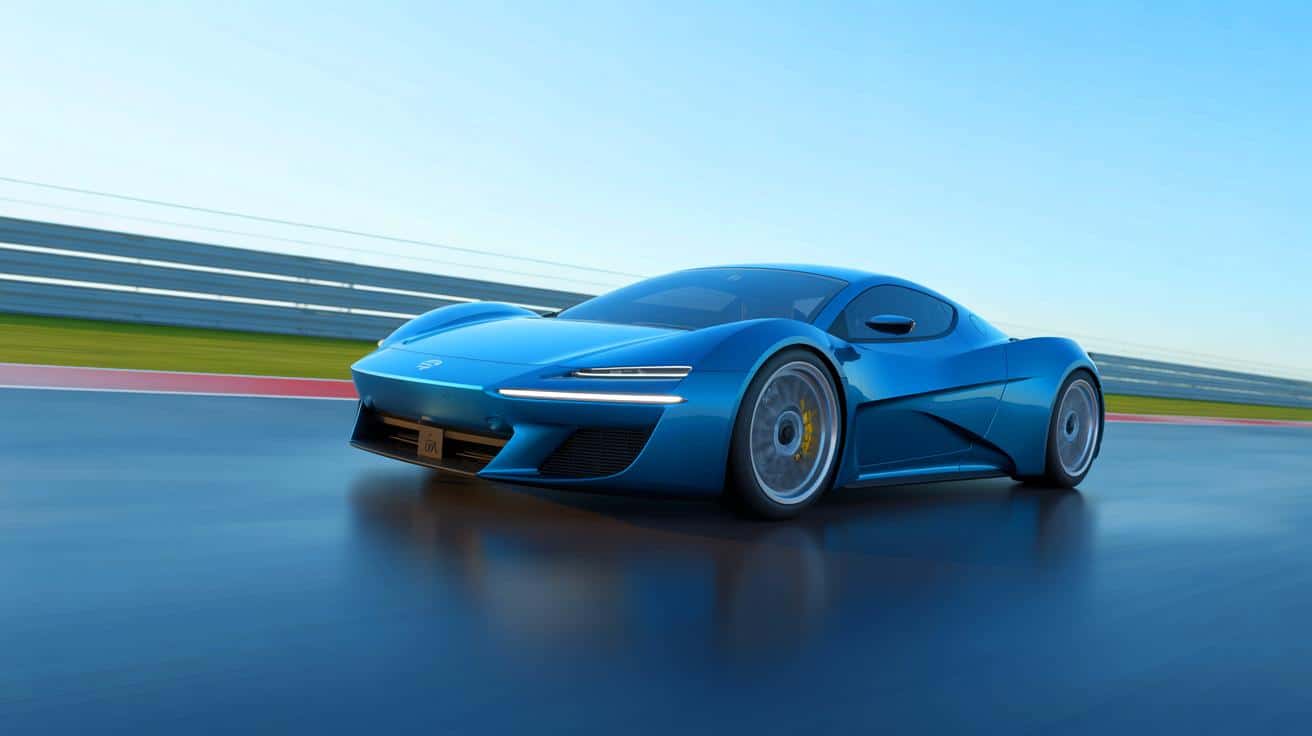
On August 8, at the ATP Automotive Testing track in Papenburg, the YANGWANG U9 Track Edition, developed by Chinese giant BYD, set a new world speed record for electric vehicles by reaching 293.7 mph. This achievement significantly surpasses the previous record of 268.9 mph set by the Rimac Nevera R just weeks earlier. Marc Basseng, the professional German driver behind the wheel, expressed his astonishment: “Last year, I thought I had reached my peak. I never expected to break my own record so soon.”
This milestone underscores the rapid advancements in electric vehicle technology and highlights China’s growing influence in the automotive sector. The question now is how traditional automakers will respond to this new benchmark. As electric vehicles close the gap with their gasoline counterparts, the race for speed and performance takes on a new, electrified dimension.
A Powerhouse of Revolutionary Innovations
The YANGWANG U9 Track Edition's record-breaking performance is backed by cutting-edge engineering. The vehicle boasts an impressive 2,960 horsepower generated by four independent electric motors, achieving an extraordinary power-to-weight ratio of 1,341.5 horsepower per ton. This setup allows for precise torque control across all four wheels.
A key innovation is its 1,200-volt ultra-high voltage platform, a first in production vehicles. This exceptional voltage enhances the energy efficiency of all components, from the battery to the air conditioning system and motors. The high voltage not only boosts performance but also represents a leap forward in electric vehicle design, setting a new standard for efficiency and power.
Battery Technology That Defies Conventions
At the heart of this system is BYD's lithium-iron-phosphate "Blade" battery, noted for its flat, rectangular shape. This unique geometry facilitates optimal cooling and increases energy density. For extreme speed conditions, engineers have incorporated a specially adapted thermal management system, allowing the car to maintain peak performance even under maximum stress.
The charging capability is equally remarkable: the battery can charge from 30% to 80% in just thirty minutes. This feature is crucial for everyday use, despite the car's exceptional performance. As battery technology progresses, electric vehicles are becoming more practical, offering a blend of efficiency, power, and convenience that challenges the dominance of traditional fuel-powered cars.
Supercar road trips: The best routes for driving enthusiasts
Toward a New Automotive Era
This achievement positions electric supercars in a performance realm previously reserved for the most exclusive gas-powered hypercars. The Koenigsegg Jesko Absolut claims the potential to reach 310.7 mph, while the SSC Tuatara has demonstrated its ability to exceed 295.5 mph.
The U9 Track Edition shows that electric vehicles are no longer just an eco-friendly alternative but a technology capable of competing with combustion engines on their own turf: pure speed. This development may herald the dawn of a new era where automotive performance no longer equates to carbon emissions. As electric vehicles continue to evolve, they challenge traditional perceptions and pave the way for a more sustainable, high-performance future.
The YANGWANG U9 Track Edition's accomplishments raise significant questions about the future of the automotive industry. Will traditional manufacturers adapt to these rapid advancements in electric technology, or will they find themselves outpaced by new challengers? As the landscape of high-speed performance shifts, how will consumer preferences and regulatory frameworks evolve to accommodate these technological leaps?