

“This Isn’t Just a Whisper”: Mercedes-AMG Engineers Recreate the Iconic V-8 Roar to Electrify the Future of Sports Cars
 By
Renée Castellano
By
Renée Castellano
| IN A NUTSHELL |
|
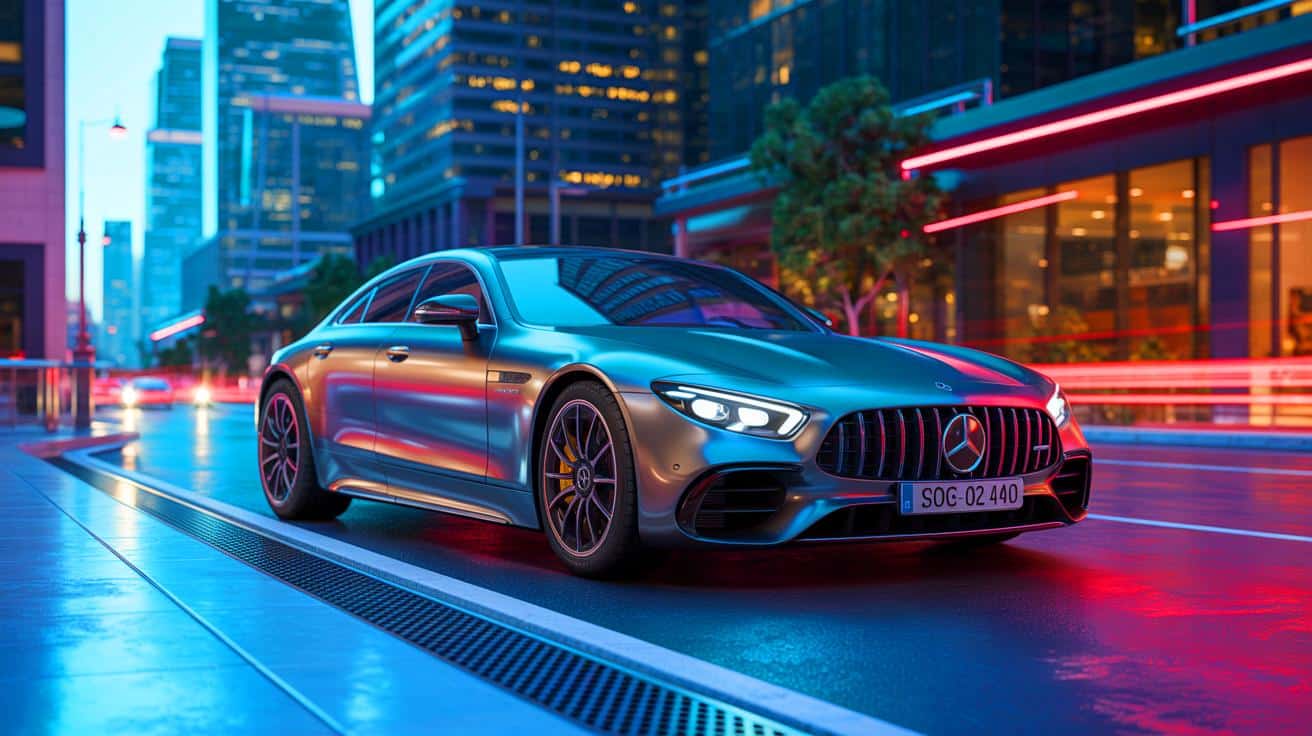
The evolution of sports cars is at a pivotal juncture as the automotive industry increasingly embraces electric vehicles (EVs). While the promise of a greener and more sustainable future is enticing, purists argue that electric sports cars lack the emotional thrill of traditional combustion engines. Mercedes-Benz, through its AMG division, seeks to bridge this gap by infusing electric vehicles with the emotional engagement typically associated with gas-powered sports cars. This shift highlights a fascinating blend of technological innovation and nostalgia that could redefine the driving experience for future generations.
AMG’s Bold Vision for Electric Sports Cars
AMG, the performance division of Mercedes-Benz, is at the forefront of a transformative approach to electric sports cars. With a legacy rooted in powerful combustion engines, AMG is now channeling its expertise into crafting electric vehicles that retain the visceral excitement of their gas-powered predecessors. The division’s outgoing CEO, Michael Schiebe, emphasized this commitment in a recent interview, highlighting the team’s efforts to make electric vehicles just as thrilling. He noted that the engineers who once perfected the iconic V-8 engine are now tasked with creating a comparable experience in an electric format.
Schiebe’s vision extends beyond mere acceleration and speed. AMG aims to replicate the auditory feedback that drivers cherish. By hiring industry sound engineers, Mercedes has taken steps to reproduce the distinctive roar of a V-8 engine. This initiative aims to cater to traditionalists while also attracting a new generation of enthusiasts. Schiebe believes that with simulated gear shifts and carefully crafted soundscapes, electric sports cars can deliver an emotional connection that rivals their internal combustion counterparts.
Challenges in Winning Over Traditional Enthusiasts
Despite Mercedes' innovative approach, convincing die-hard fans remains a tall order. The recent transition of the C63 from a V-8 to a four-cylinder hybrid met with considerable backlash. This change underscores the challenge of balancing innovation with tradition. While AMG is developing a new eight-cylinder engine that promises enhanced power and efficiency, it will not be available in the C63, a decision that may further alienate purists.
Looking ahead, AMG recognizes the impending regulatory changes in Europe, where stricter emissions standards are set to phase out combustion engines by 2035. Schiebe has acknowledged this "natural end" for internal combustion engines in Europe, yet remains optimistic about their continued presence in other regions. This dual strategy reflects Mercedes' intent to cater to diverse markets, ensuring that both electric and traditional sports cars can coexist.
The Global Shift Toward Electrification
The automotive industry's global shift toward electrification is gaining momentum. In parts of Europe, high taxes on large engines have already spurred manufacturers to invest heavily in hybrid technology. This trend is evident in the pricing disparities between models such as the BMW M5 and M3 in Ireland, where tax implications favor electrified powertrains. Consequently, manufacturers like BMW and Audi are aligning their strategies to incorporate hybrid systems in upcoming models.
For instance, the anticipated 2028 M3 is expected to feature a mild-hybrid setup, while Audi's RS models will likely adopt plug-in hybrid configurations. These developments illustrate the broader industry trend of integrating electrification without sacrificing performance. As regulatory pressures mount, the convergence of traditional and electric technologies will play a pivotal role in shaping the future of sports cars.
Mercedes' Dual Strategy for a Sustainable Future
Mercedes-Benz is uniquely positioned to navigate this transitional phase. By leveraging its extensive resources, the company is committed to maintaining a diverse portfolio that includes both electric and internal combustion sports cars. This dual strategy ensures that Mercedes can cater to a wide range of consumer preferences while adhering to evolving global regulations. The upcoming GT XX concept, an electric model aimed at performance-oriented customers, exemplifies this approach.
Moreover, Mercedes' commitment to innovation is underscored by its ongoing development of a new eight-cylinder engine. Designed to meet future Euro 7 standards, this engine will offer improved power and fuel efficiency, providing a lifeline for traditional sports car enthusiasts. As AMG continues to refine its electric offerings, the company's ability to balance tradition with innovation will be critical in securing its place in the future automotive landscape.
As the automotive industry accelerates toward a more sustainable future, the challenge lies in preserving the emotional connection that drivers have with their vehicles. Mercedes-Benz's AMG division is striving to achieve this balance by blending cutting-edge electric technology with the soul-stirring elements of traditional sports cars. Will this innovative approach win over skeptics and redefine the essence of driving excitement for a new generation of enthusiasts?