

“Golf Is Dead Forever”: Volkswagen’s Brutal Betrayal Of Millions Destroys Iconic Car And Splits Automotive World Apart
 By
Graham Pettigrew
By
Graham Pettigrew
| IN A NUTSHELL |
|
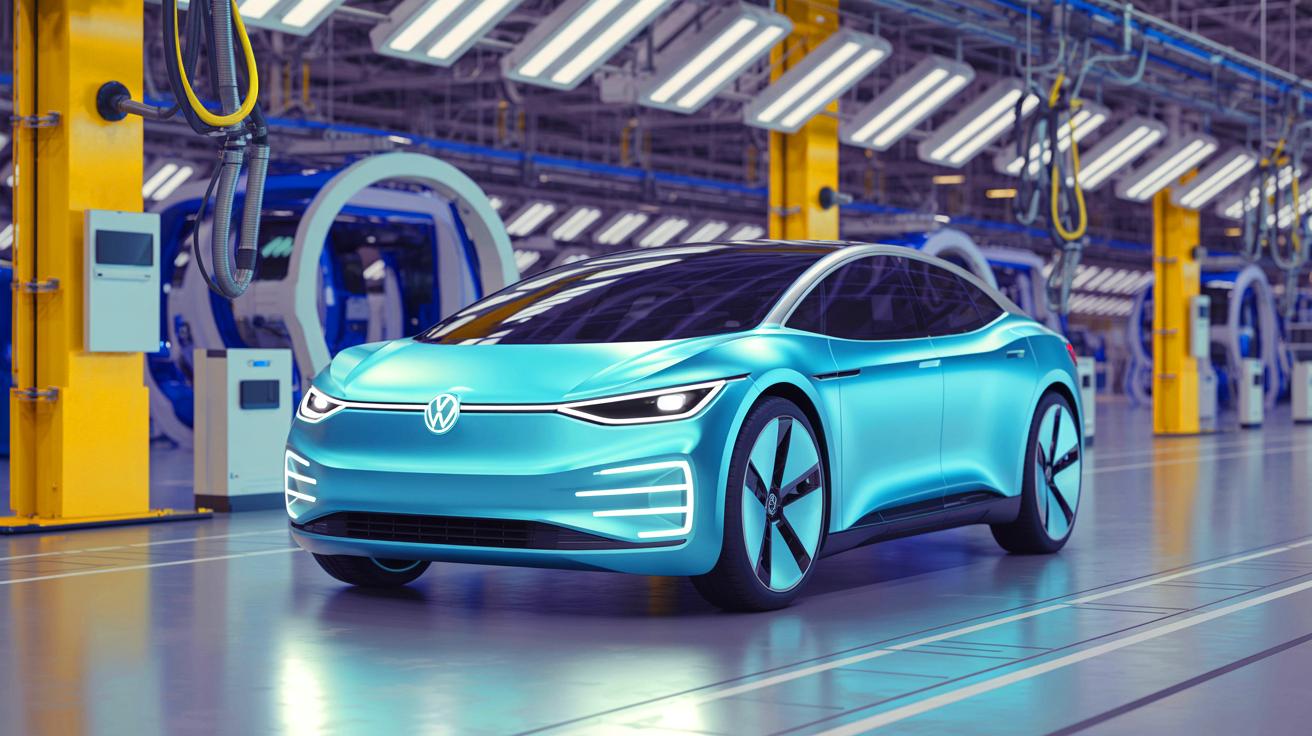
Volkswagen has been at the forefront of the electric vehicle (EV) revolution, aiming to make electric cars more accessible to the masses. Earlier this year, the company introduced the ID.Every1, a model designed to attract consumers with its competitive pricing. As of early summer, Volkswagen reclaimed its position as a leading car manufacturer in Europe, boasting 65,679 registrations, marking a 157% increase from the previous year. However, the automotive giant is not resting on its laurels. Volkswagen plans to revitalize some of its iconic models, such as the Golf and T-Roc, by transforming them into fully electric versions. This strategic move aims to solidify Volkswagen’s transition to electromobility and attract a loyal customer base.
Volkswagen’s Commitment to Electromobility
Volkswagen’s journey towards a complete transition to electric vehicles represents a significant shift in the automotive industry. The company has set its sights on reinventing classic models with an electric twist, a move that showcases its commitment to sustainability and innovation. The ID.3 has already replaced the e-Golf, but Volkswagen is far from done. Plans are underway to reintroduce the Golf and T-Roc as electric vehicles, capturing the essence of these beloved models while aligning with modern technological advancements.
This strategy is not merely about leveraging nostalgia; it is about blending heritage with cutting-edge technology. By doing so, Volkswagen aims to appeal to its existing customer base and new buyers eager to embrace the electric future. The automaker’s dedication to this cause highlights its ambition to become a leader in the EV market, where traditional and electric vehicles coexist to offer consumers a wide range of choices.
Supercar maintenance: Tips for keeping your ride in top shape
Challenges in Golf’s Electric Transition
The transformation of the iconic Golf into an electric vehicle is not without its hurdles. Originally slated for release in 2028, the electric Golf’s debut has been delayed, with expectations now set for the end of the decade. This postponement is largely attributed to increased costs from restructuring the Wolfsburg site in Germany, the birthplace of the Golf. Updating and modernizing these facilities to accommodate electric vehicle production has proven to be a significant financial burden.
The decision to move the production of the traditional Golf to Mexico last year underscores Volkswagen’s strategic planning. By freeing up space at the Wolfsburg site, the company aims to focus on electric vehicle production from 2027 onwards. This move also anticipates the introduction of the Scalable Systems Platform, which will serve as the foundation for future models, including the Golf and T-Roc.
Volkswagen Unleashes Its Own Epic Gymkhana Video: A Thrilling Ride!
The Role of Wolfsburg in Volkswagen’s Future
Wolfsburg holds a special place in Volkswagen’s history and future. As the historic home of the Golf, it is undergoing significant changes to support the company’s electric ambitions. The site’s transformation is not just about physical modifications; it embodies Volkswagen’s dedication to innovation and progress. By investing in Wolfsburg, Volkswagen is ensuring that it remains a pivotal part of its global strategy.
However, the financial implications of such a large-scale project cannot be overlooked. The restructuring involves adapting existing facilities to suit the needs of electric vehicle production. This process includes installing new machinery, updating technology, and training a workforce adept in EV manufacturing. While these changes come with substantial costs, they are necessary steps for Volkswagen to maintain its competitive edge in the rapidly evolving automotive landscape.
Rebranding and the Future of Volkswagen Models
In an effort to streamline its product offerings, Volkswagen has revised its naming strategy for electric models. Moving away from purely numerical designations, the company has introduced the “ID” prefix alongside the names of its traditional models. This approach taps into the strong brand recognition these names possess while signifying a shift towards electric innovation. The introduction of the ID.Polo, inspired by the ID.2All concept, exemplifies this strategy.
Rebranding is a powerful tool that allows Volkswagen to maintain its heritage while embracing new technology. By associating iconic names with electric versions, Volkswagen leverages its established reputation while signaling a forward-thinking approach. This shift is not only about names but also about redefining what these models represent in a world increasingly focused on sustainability.
Volkswagen’s ambitious plans to electrify its classic models, including the Golf and T-Roc, are a testament to its commitment to a sustainable future. Despite challenges such as cost and production delays, the company’s determination to innovate remains unwavering. As Volkswagen navigates these changes, one question remains: how will these iconic models shape the future of electromobility and redefine consumer expectations in the automotive world?