

“We’re Charging EVs In 12 Minutes”: Serbian Battery Gains One Mile Per Second While Lasting 310,000 Miles
 By
Graham Pettigrew
By
Graham Pettigrew
| IN A NUTSHELL |
|
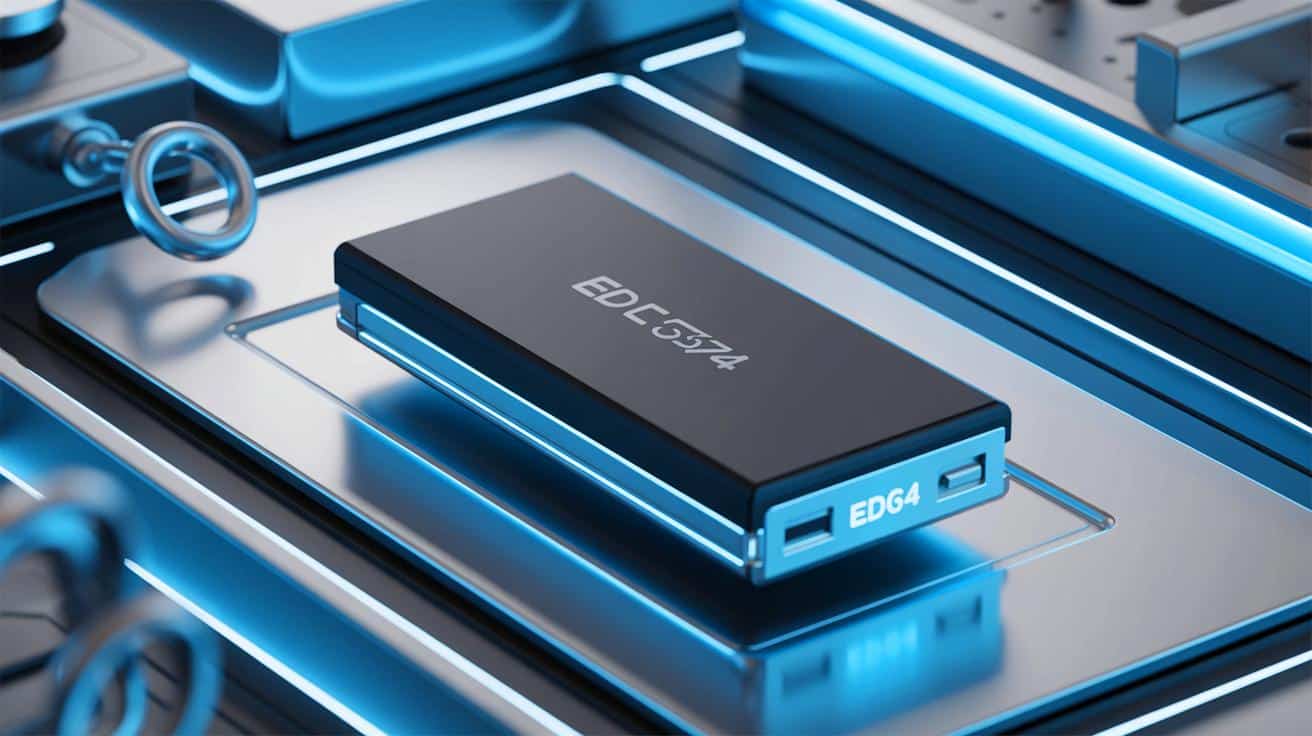
Imagine an electric car that can be charged during a coffee break and then drive for hundreds of miles. This futuristic vision might soon become reality thanks to a Serbian company, ElevenEs, which has introduced a new generation of lithium iron phosphate (LFP) batteries. Dubbed the Edge574 Blade Cell, this innovation could significantly revolutionize the electric mobility sector. With the ability to rapidly charge and a lifespan outlasting many traditional vehicles, the Edge574 is positioned to address some of the most prominent challenges faced by electric vehicles today.
Breaking the Mold: The Edge574 Blade Cell
The Edge574 Blade Cell is a groundbreaking battery that can charge up to 80% in just 12 minutes. This translates to gaining about a mile of range every second of charging, a substantial advancement in a field where long charging times have been a major barrier to wider electric vehicle adoption. The speed of this charge is not just a minor improvement but a transformative leap forward.
Moreover, the Edge574 boasts a remarkable lifespan, with a longevity of up to 310,000 miles. This surpasses the lifespan of many internal combustion vehicles, meaning fewer battery replacements and reduced environmental impact over time. Such endurance not only promises cost savings for consumers but also aligns with global sustainability goals by minimizing waste and promoting resource efficiency.
How supercars are changing the face of automotive technology
The Technology Behind the Performance
The impressive performance of the Edge574 is grounded in a well-established but optimized chemistry: lithium iron phosphate (LFP). Although traditionally considered less energy-dense than nickel-based lithium-ion batteries, LFP technology is noted for its superior stability, durability, and safety. ElevenEs has pushed this technology to new heights through several key innovations.
These advancements include a reduction in internal resistance by 15%, enhancing thermal efficiency. Furthermore, a new electrolyte formulation has been developed to optimize ionic exchanges. Significant improvements in electrode and cell design have also been made to maximize both energy density and long-term stability. The battery's blade format, favored by manufacturers, allows for seamless integration into vehicle chassis without compromising safety or space.
Performing in Extreme Temperatures
One of the Edge574's standout features is its ability to operate in extreme temperatures, from -22°F to 140°F, while maintaining efficient charging times. At 50°F, it reaches 80% charge in 18 minutes; at 32°F, in 25 minutes. These figures make it an excellent candidate for extreme climates where typical batteries often experience reduced capacity.
When used in a system of 210 cells, the battery can accept up to 1 megawatt of charging power. This capability is likely to excite manufacturers of fast-charging stations and network operators, as it represents a significant step forward in supporting rapid charging infrastructure and reducing downtime for electric vehicles.
A New Era for Electric Vehicles?
With the Edge574, ElevenEs aims not just to compete with existing batteries but to set new standards. By combining ultra-fast charging, robust thermal resilience, high energy density, and extended lifespan, this battery tackles all the weak points of electric vehicles in one solution. If the technology lives up to its potential on an industrial scale, it could significantly accelerate the transition to electric mobility, especially in Europe.
Reduced charging anxiety, fewer replacements, and greater reliability bring electric vehicles closer to the ideal of convenience rather than compromise. While the widespread impact of the Edge574 remains to be seen, it's clear that the quest for the perfect battery has reached a pivotal stage, with ElevenEs poised to become a major player in the field.
As the automotive industry stands on the brink of potentially transformative changes, questions remain about the broader implications of such advancements. Will innovations like the Edge574 Blade Cell be the catalyst that finally shifts consumer perception and adoption of electric vehicles on a massive scale?