

Mercedes-Benz eSprinter 2026: How This Electric Van Revolutionizes Urban Delivery with Eco-Friendly Performance and Smart Features
 By
Keisha Holloway
By
Keisha Holloway
| IN A NUTSHELL |
|
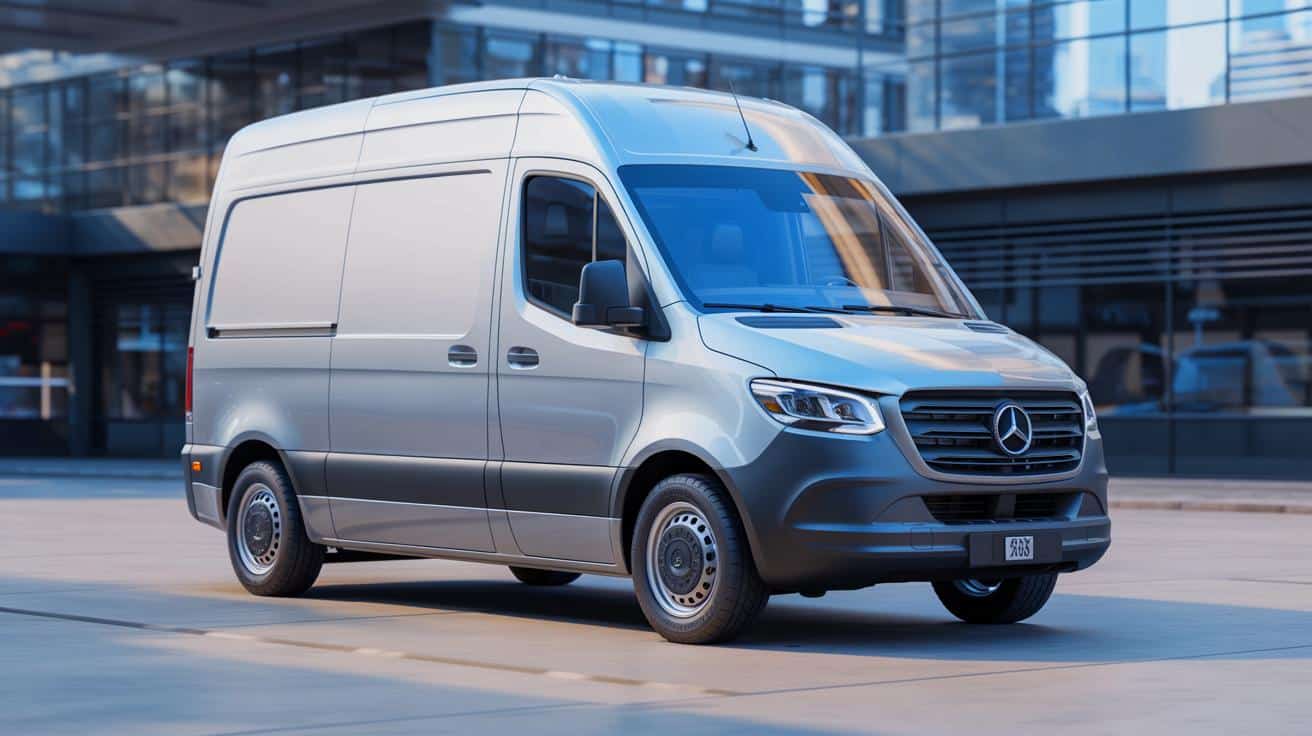
The 2026 Mercedes-Benz eSprinter represents a new era for commercial vehicles by marrying functionality with environmental consciousness. This all-electric cargo van is a significant move away from traditional diesel-powered models, providing a quieter and more efficient option for businesses. With its electric powertrain, the eSprinter aims to meet the needs of urban delivery services while minimizing environmental impact. Despite some limitations in speed and payload capacity compared to its full-size counterparts, the eSprinter offers a compelling choice for businesses aiming to reduce their carbon footprint while maintaining operational efficiency.
Electric Powertrain: A New Standard for Vans
The Mercedes-Benz eSprinter is equipped with an electric motor that powers the rear axle, offering two battery options: 81.0 kWh and 113.0 kWh. These batteries allow for a range between 150 and 206 miles, depending on the configuration. Although these figures may not seem impressive at first glance, they are sufficient for the average delivery route within urban areas. The eSprinter’s electric powertrain not only reduces emissions but also offers a quieter operation, which is a boon in noise-sensitive urban environments.
The choice between a 134-hp and a 201-hp motor ensures that businesses can select a configuration that best fits their needs. Both options deliver 295 pound-feet of torque, with a top speed capped at 75 mph. While this limit may seem restrictive, it aligns with urban speed limits and operational safety. The rear-wheel-drive setup is standard, and while all-wheel drive is not available, the vehicle’s design prioritizes efficiency over off-road capability.
Range and Charging: Meeting Daily Business Needs
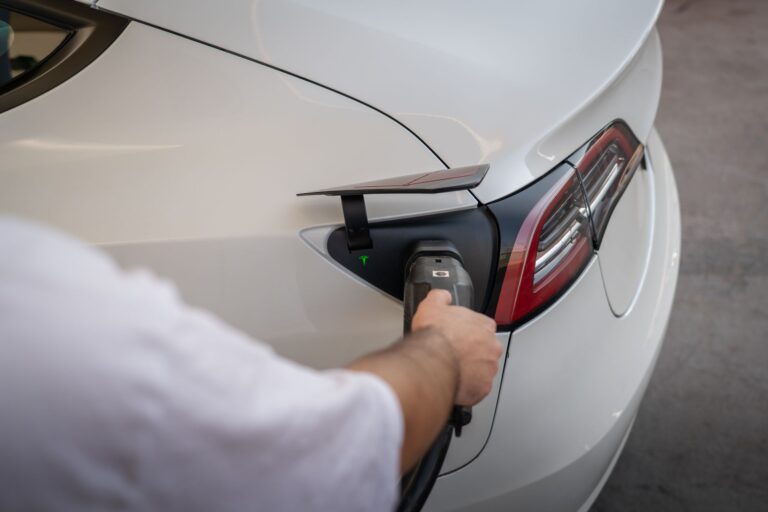
Range anxiety is a common concern for electric vehicles, particularly in commercial use. The eSprinter addresses this with projected ranges of up to 206 miles on a full charge with the larger battery option. While the EPA does not provide official ratings for commercial vehicles, Mercedes-Benz’s estimates offer a reliable basis for planning daily operations. The van can be recharged using a Level 2 station in approximately 10 to 12.5 hours, making overnight charging a practical solution.
For businesses requiring quicker turnaround times, DC fast-charging is available, significantly reducing downtime. With the capability to charge from 10% to 80% in just 32 minutes, the eSprinter ensures that fleet operations can continue with minimal interruptions. Charging infrastructure is a crucial component of integrating electric vehicles into commercial fleets. As more cities invest in public charging stations, the feasibility of electric cargo vans like the eSprinter will continue to improve.
Interior and Cargo: Balancing Comfort and Capacity
Inside the eSprinter, Mercedes-Benz has prioritized functionality and comfort. While it may not match the opulence of the brand’s luxury vehicles, the eSprinter offers features that enhance driver experience and operational efficiency. Standard amenities include a heated driver’s seat and regular cruise control. Optional upgrades such as a wireless phone charging pad and a 10.3-inch touchscreen bring modern conveniences to the cabin.
In terms of cargo space, the eSprinter is competitive, offering up to 488 cubic feet in the high-roof, long-wheelbase model. Although it falls short of some rivals, like the Ram ProMaster EV, the available space is sufficient for most delivery tasks. Businesses must weigh the trade-off between cargo capacity and environmental benefits when considering an electric van for their fleet.
Safety and Technology: Ensuring Secure and Efficient Operations
Safety remains a priority in the design of the eSprinter, with several driver-assistance features available. Standard equipment includes automated emergency braking and crosswind assist, both of which enhance safety for drivers navigating urban environments. Additional safety features such as blind-spot monitoring and lane-keeping assist are available through optional packages.
The eSprinter’s technology suite is designed to support modern fleet operations. An optional 10.3-inch touchscreen provides access to Mercedes-Benz’s latest infotainment software, including a voice-activated assistant. Connectivity features, such as Bluetooth and optional wireless Apple CarPlay and Android Auto, ensure that drivers remain connected and informed.
These technological advancements not only improve driver experience but also contribute to more efficient and safer fleet management.
As the 2026 Mercedes-Benz eSprinter enters the market, it challenges traditional notions of what a commercial van can be. By offering a balance of environmental responsibility and practicality, it sets a new standard for urban delivery vehicles. However, the transition to electric vans is not without its challenges, as infrastructure and range limitations must be addressed. How will businesses adapt to these changes, and what further innovations can we expect in the commercial vehicle sector?