

“They Laughed at an EV Doing This”: China’s Yangwang U9 Just Hit 308 MPH and Shattered Bugatti’s Record (the world wasn’t ready)
 By
Keisha Holloway
By
Keisha Holloway
| IN A NUTSHELL |
|
In the realm of high-performance automobiles, the quest for speed is often seen as the ultimate benchmark of engineering prowess. Recently, a new challenger has emerged from the East, rewriting the rules of what is possible on the asphalt. The Yangwang U9, a brainchild of Chinese electric vehicle manufacturer BYD, has shattered previous speed records, achieving a jaw-dropping 308 miles per hour. This feat not only surpasses the previous record held by the Bugatti Chiron Super Sport 300+, but it also sets a new standard for production cars worldwide. As electric vehicles continue to evolve, this breakthrough raises questions about the future of speed, technology, and innovation in the automotive industry.
The Rise of the Yangwang U9
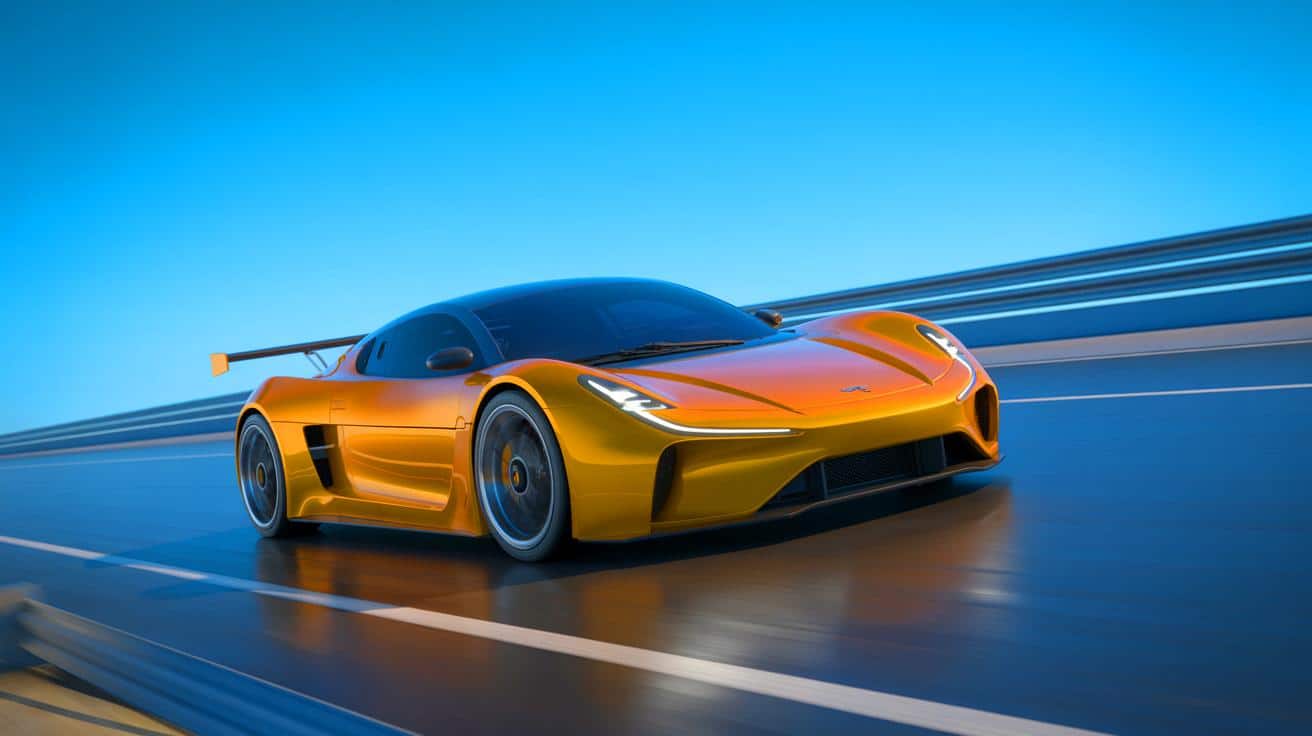
The Yangwang U9’s ascent to the pinnacle of speed records is a testament to the rapid advancements in electric vehicle technology. Developed by BYD, a leading Chinese automaker known for its commitment to sustainable transportation, the U9 has proven that electric cars can compete with, and even surpass, traditional combustion engine vehicles in terms of raw performance. The vehicle’s recent achievement was recorded at the ATP Automotive Testing Papenburg track in Germany, where it reached a staggering 308 mph, breaking the previous record held by the Bugatti Chiron Super Sport 300+ by over 3 mph.
This breakthrough is not just about speed; it represents a significant milestone in the automotive industry’s shift towards electrification. The Yangwang U9 Track Edition, built on the innovative e4 platform, features a cutting-edge 1200V ultra-high-voltage architecture. This technological leap is a first for mass-produced vehicles and underscores the potential of electric powertrains to redefine performance benchmarks.
Pioneering Technology and Engineering
The engineering behind the Yangwang U9 is as impressive as its speed record. The car is powered by four electric motors, each capable of running at 30,000 revolutions per minute. With a peak output of 744 horsepower per motor, the U9 boasts a combined output just shy of 3,000 horsepower. This incredible power-to-weight ratio of 1,205 horsepower per tonne is what enables the U9 to achieve such unprecedented speeds.
BYD's focus on innovation and technology is evident in the U9's design and performance. The use of high-voltage architecture not only enhances power delivery but also improves efficiency, showcasing the potential for electric vehicles to offer superior performance without compromising environmental sustainability. This engineering marvel represents a significant step forward in the electric vehicle sector, challenging traditional notions of what electric cars can achieve.
Implications for the Automotive Industry
The Yangwang U9's record-breaking performance has ripple effects throughout the automotive industry. For one, it challenges traditional luxury and performance brands to rethink their strategies in the face of emerging electric competitors. The U9's success highlights the increasing viability of electric vehicles in segments traditionally dominated by internal combustion engines.
Moreover, this achievement underscores the broader shift in consumer preferences towards electric vehicles, driven by concerns over climate change and sustainability. As governments worldwide implement stricter emissions regulations, automakers are compelled to innovate and adapt to the changing landscape. The U9's technology and performance capabilities demonstrate that electric vehicles are not only environmentally friendly but also capable of fulfilling the desires of speed enthusiasts.
The Future of Speed and Innovation
The Yangwang U9's record-breaking feat invites speculation about the future of speed in the automotive industry. As technology continues to advance, the limits of what is possible are constantly being redefined. The U9 serves as a harbinger of what may come, as automakers explore the potential of electric powertrains to push the boundaries of performance.
This achievement also raises questions about the role of traditional sports cars in a rapidly evolving market. With electric vehicles demonstrating their capability to outperform their gasoline-powered counterparts, the automotive landscape is poised for significant transformation. The Yangwang U9's success story is not just about speed; it is a narrative about innovation, sustainability, and the relentless pursuit of excellence.
As the Yangwang U9 takes its place in the annals of automotive history, it challenges both consumers and manufacturers to reconsider what is possible with electric vehicles. Will this remarkable achievement spark a new era of innovation and redefine the landscape of high-performance cars? The future of automotive speed and technology is an open road, waiting to be explored.