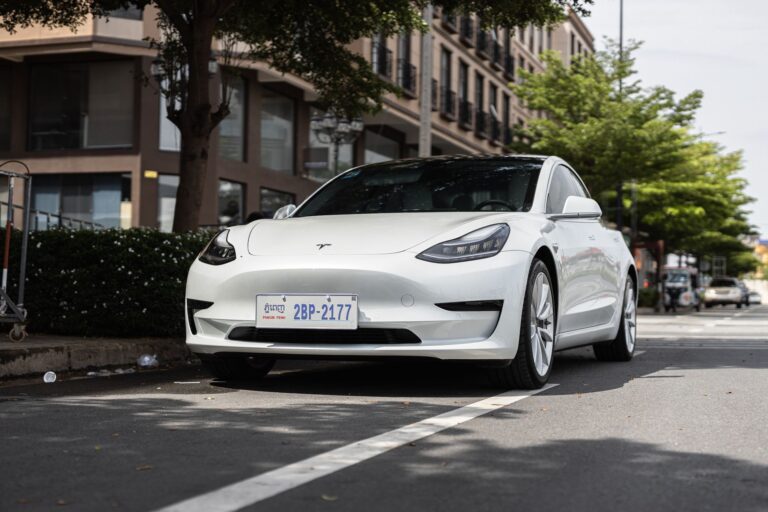



The best family cars available in 2026
 By
Ethan Kowalczyk
By
Ethan Kowalczyk
|
IN A NUTSHELL |
|
The search for the best family cars in 2026 hinges on a clear premise: safety must govern buying decisions alongside affordability and comfort. Recent ratings and equipment trends show families no longer sacrifice one for another; manufacturers now bundle advanced driver assistance with roomy interiors and competitive pricing. Standouts illustrate that point (the Mazda CX-60 and Kia EV9 carry five‑star ratings and comprehensive child-protection measures, while the fully electric Renault Mégane E‑Tech proves eco‑friendliness can coexist with top safety scores. For budget-conscious buyers, compact models such as the Honda Civic, Hyundai i30 and small SUVs like the Hyundai Kona, Kia Sportage and Chevrolet Equinox deliver essential features) Blind Spot Monitoring, Lane Departure Warning, Forward Collision Avoidance and multiple ISOFIX anchors, at accessible price points. The evidence is persuasive: prioritize verified crash performance and modern assist systems, and families can secure vehicles that protect occupants, simplify daily routines and hold value over time.
Safety-first picks for 2026 family cars
Safety must be the decisive criterion for any family car purchase, and the 2026 crop of vehicles makes that decision easier by combining top crash-test scores with broad availability of active safety systems. The Mazda CX-60, which earned a five-star Euro NCAP rating and a remarkable 91% child occupant protection, is a concrete example: it demonstrates that manufacturers can prioritize structural integrity and occupant protection without sacrificing refinement. Families should favor vehicles that deliver both verified crash performance and standard driver-assist features, not optional extras tucked behind higher trims.
Consider the Renault Megane E-Tech as proof that electrification and family safety are not mutually exclusive; its five-star safety rating and strong results in occupant and safety-assist categories make it a persuasive choice for parents who want an eco-friendly option that doesn’t compromise protection. The Honda Civic and Hyundai i30 keep the argument grounded: compact cars can still be excellent family transports when they score high for adult and child occupant protection and offer low running costs. The Civic’s reputation for reliability strengthens the case that long-term affordability is part of safety through predictability and low-maintenance ownership.
Advanced driver assistance systems such as Blind Spot Monitoring and Lane Departure Warning should be baseline features when weighing family cars. Independent reviews and roundups amplify this position: trade and consumer outlets like Cars.com and CBS News reporting on Consumer Reports repeatedly highlight models that pair high safety ratings with real-world practicality. That combination is compelling because it reduces the risk of serious incidents and improves everyday usability for families who ferry children, car seats, and cargo on a tight schedule.
The strategic takeaway is clear: prioritize vehicles with documented crash-test excellence and extensive active-safety suites. This approach favors models like the CX-60 and Megane E-Tech, while also keeping reliable, efficient choices such as the Civic and i30 on the shortlist. When safety is the non-negotiable factor, evidence-driven choices pay dividends in peace of mind and long-term value.
Affordable SUVs and crossovers under $35,000
For many families, the sweet spot is a two-row SUV that balances space, safety, and price. The 2026 Hyundai Kona, Kia Sportage, and Chevrolet Equinox each stake a credible claim in the under-$35,000 bracket by delivering practical interiors, strong safety equipment, and user-friendly technology. Arguing for these models is straightforward: they provide the utility families need (cargo room, easy-access child-seat anchors, and efficient drivetrains) without inflating monthly payments or insurance costs.
Cost-conscious buyers should insist on models that include essential safety tech at base trim levels rather than treating critical features as optional upgrades. The Kona excels with clever storage and fuel efficiency, making it a sensible first-time family SUV. The Sportage’s roomy two-row cabin and lengthy warranty add measurable value for growing families who plan to keep a vehicle for many years. The Equinox emphasizes straightforward comfort and an intuitive infotainment system, appealing to buyers who prefer a familiar, no-nonsense package.
| Model | Estimated starting price | Seating | Standout family feature | Notable safety tech |
|---|---|---|---|---|
| Hyundai Kona (2026) | Under $25,000 | 5 | Clever storage solutions | Blind Spot Monitoring, Forward Collision Assist |
| Kia Sportage (2026) | ~$28,000 | 5 | Spacious cabin, long warranty | Lane Keep Assist, Driver Attention Alert |
| Chevrolet Equinox (2026) | ~$27,000 | 5 | Comfort-focused interior | Forward Collision Alert, Pedestrian Detection |
These price points and features are reflected across reputable reviews and buyer guides; sites like NextCarReview and industry pieces such as Forbes coverage of Consumer Reports’ lists reinforce the idea that a sensible entry-level SUV can still deliver robust safety and practical features. The argument for these models is not merely economic: it is pragmatic. Families need a vehicle that supports daily routines (school runs, groceries, weekend activities) without requiring expensive extras to be safe and comfortable.
Electric and hybrid options worth choosing
Electrified family cars have matured into compelling arguments for buyers who care about long-term operating costs, environmental impact, and safety. The Renault Megane E-Tech and Kia EV9 represent two different but equally persuasive directions: the Megane E-Tech is a compact, fully electric hatch with five-star safety credentials, while the EV9 is a larger electric SUV offering advanced features like 360-degree cameras and multiple ISOFIX anchors for child seats. The case for electrified family transport is strengthened by independent coverage and parent-focused testing, including assessments shared by Parents.
Choosing an electric or hybrid family car is justified when safety, range, and convenience align with daily needs. Hybrids like the Toyota Corolla Cross Hybrid continue to be pragmatic, combining excellent fuel economy with the dependability families expect. There is also a larger industry context: coverage on sustainable mobility and future propulsion (such as articles on eco-friendly trends and the role of hydrogen or other alternatives) helps buyers weigh options beyond pure electrification; see reporting like LeftLaneNews on eco-friendly car futures and perspectives on hydrogen as an alternative here.
The argumentative core is this: when an electric or hybrid model offers top-tier safety, practical range or fuel savings, and family-friendly features (multiple ISOFIX anchors, roomy second-row, comprehensive thermal comfort), it should be prioritized. Readers will find deeper comparative evaluations and best-of lists in consumer roundups such as CBS News’ report on Consumer Reports’ picks and detailed model reviews on outlets like LeftLaneNews and NextCarReview. Those sources confirm that the latest electrified family cars are no longer experimental choices; they are practical, safe, and increasingly affordable.
Three-row options and expanding family needs
Families that need a third row should be selective: the extra seats are valuable, but they often come with trade-offs in cargo space, fuel economy, and comfort for adult passengers. The 2025 Mitsubishi Outlander is a pragmatic example of a budget-friendly three-row SUV that puts flexibility ahead of luxury; its third row is best suited for children, which is a defensible compromise for many buyers who need occasional seating for extra family members or carpooling. Purchasers must weigh how frequently the third row will be used and whether a smaller two-row SUV with greater cargo volume might be a smarter, more cost-effective choice.
For buyers seeking more room and higher levels of technology, larger options like the Kia EV9 (in its electric configuration) offer true three-row utility combined with high safety ratings and advanced family-oriented features such as multiple ISOFIX points and comprehensive camera systems. The Hyundai Tucson, while primarily a two-row model, demonstrates that mid-size crossovers can be generously equipped and quiet, traits that improve long road trips for families and reduce fatigue for the driver. Information on long-term fuel and lifecycle considerations is essential when choosing between a three-row gasoline model and an electrified alternative; investigative pieces that track the lifespan of petrol and diesel cars, such as LeftLaneNews’ analysis, help build a rational case for total cost of ownership.
When making an argument for or against a three-row vehicle, focus on realistic usage patterns, car-seat installation accessibility, and safety ratings for all seating positions. Publications like Cars.com and family-focused awards such as the one compiled by Parents are useful evidence sources for buyers who want data-driven support for their decisions. The practical recommendation: opt for a three-row only when the third row will be regularly occupied by children and when safety and comfort for all passengers are demonstrably adequate.
Essential safety tech and practical features to prioritize
Choosing a family car on aesthetics or badge prestige is a mistake if basic safety and usability are compromised. Core systems (Blind Spot Monitoring, Lane Departure Warning, Forward Collision Avoidance, and Driver Attention Alert) are not gimmicks; they materially reduce crash risk and should be treated as standard requirements. Insisting on these features at the purchase stage avoids unpleasant compromises later and keeps the family protected during everyday driving scenarios.
Child-seat safety must also guide equipment choices: multiple ISOFIX anchors across second and third rows, clear tether points, and wide-opening rear doors are practical aspects that influence how quickly and securely children can be buckled. Pedestrian detection and automatic emergency braking systems add another layer of passive protection in urban and suburban environments where children are more likely to be present near traffic. High-resolution surround-view cameras are increasingly valuable for maneuvering in tight school pickup zones and driveways.
Buyers should use reputable lists and technical roundups to verify that the car they choose truly offers these protections; industry coverage and lab testing (referenced by outlets such as Forbes summarizing Consumer Reports and detailed model reviews on LeftLaneNews) help validate manufacturer claims. Prioritizing these technologies makes a compelling safety-first argument: they lower the probability and severity of incidents, and they elevate everyday confidence in family travel.
Finally, buyers should balance tech with durability and serviceability. Sensational engineering advances get headlines (witness the provocative coverage of powertrain innovations) but the practical evaluator focuses on longevity and real-world benefits, not hype. For broader context on emerging propulsion and engineering trends, informative pieces such as LeftLaneNews’ feature on hybrid-engine innovations and eco-futures reporting can inform long-term thinking without distracting from the fundamental need for proven safety and family-friendly functionality.
FAQ : Best Family Cars Available in 2026
Q: Which family car should I choose if safety is my top priority?
A: Prioritize models with top crash-test results and comprehensive driver aids, for example the Mazda CX-60 and larger electric models such as the Kia EV9 both deliver five‑star ratings and advanced safety suites; choosing vehicles with high adult and child occupant scores is the most effective way to protect your family on the road.
Q: Are electric vehicles a safe choice for families?
A: Yes, contemporary EVs like the Renault Megane E‑Tech pair electrification with five‑star safety performance and strong safety‑assist systems, so opting for an EV does not mean compromising on occupant protection or family‑oriented features.
Q: Which compact models are best for small families or daily commutes?
A: Compact cars such as the Honda Civic and Hyundai i30 make persuasive cases: they score strongly in adult and child occupant protection, deliver excellent reliability and low running costs, and remain practical for small families who need an efficient daily driver.
Q: What are the most convincing affordable SUVs under $35,000 for 2026?
A: If you need space and value, consider the 2026 Hyundai Kona, 2026 Kia Sportage, or 2026 Chevrolet Equinox; each balances comfortable interiors, user‑friendly tech, and sensible pricing, making them logical choices for budget‑conscious families who still want modern safety features.
Q: Can I realistically get a three‑row family SUV on a tight budget?
A: Yes, models such as the Mitsubishi Outlander provide a budget‑friendly three‑row layout; however, argue for realistic expectations: the third row is best suited for children, so prioritize interior flexibility and ISOFIX availability across rows when you need occasional extra seating.
Q: Which safety technologies should families insist on?
A: Insist on core active systems like Blind Spot Monitoring, Lane Departure Warning, and Forward Collision Avoidance, plus Driver Attention Alert and multiple ISOFIX anchor points; these features measurably reduce crash risk and make day‑to‑day family travel far safer.
Q: How should I weigh affordability against advanced safety and technology?
A: Argue for balance: choose vehicles that combine a reasonable starting price with essential safety tech rather than chasing premium trims. The best family cars for 2026 deliver strong safety ratings, practical interiors, and modern infotainment without requiring top‑tier options to be safe and comfortable.
Q: Are there any other noteworthy family models to consider beyond the main list?
A: Yes, the Hyundai Tucson is attractively equipped even at base trims for road trips, the Toyota Corolla Cross Hybrid offers exceptional efficiency and dependability, and larger electrics like the Kia EV9 bring advanced features such as 360‑degree cameras and multiple ISOFIX anchors for larger families.
Continue reading