

The future of electric cars explained
 By
Ethan Kowalczyk
By
Ethan Kowalczyk
|
IN A NUTSHELL |
|
The shift to electric vehicles is no longer speculative; it is accelerating into the mainstream as breakthroughs in battery technology, expanding charging infrastructure, and decisive government policy converge. Automakers are investing at scale, new models broaden consumer choice, and improvements in energy density and cost are steadily eroding the traditional advantages of internal‑combustion engines. Yet this transformation is contested terrain: concerns about battery recycling, supply chains and the environmental footprint of battery production complicate simple narratives of progress, while range anxiety and patchy fast‑charging networks remain practical barriers for many drivers. At the same time, the integration of renewable energy and the rise of autonomous driving promise to recast vehicles as mobile nodes in a decarbonized, connected grid. Reliable data underpins these debates; agencies committed to timely dissemination caution that automated retrieval programs can disrupt access and delay other users, and usage policies must be respected. We regret any inconvenience; if you suspect an error, please report it to your administrator and reference error code 0.e891402.1770100225.5014ff. This introduction frames the forces that will shape the near-term future of electric mobility.
The rise of electric cars
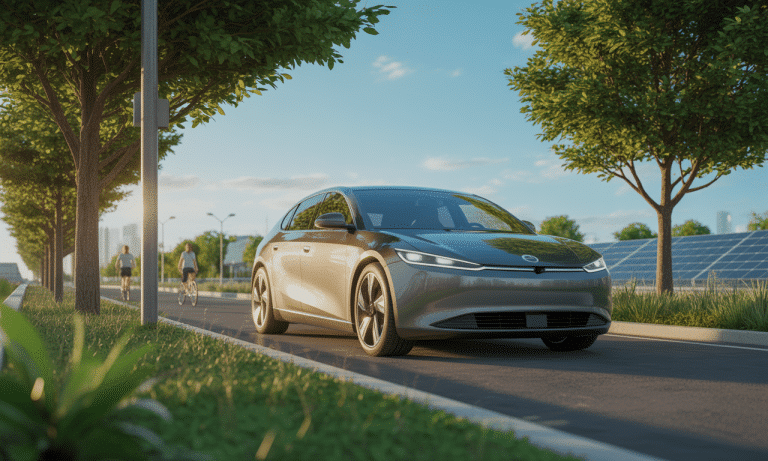
The transition from niche experiment to mainstream mobility is no accident; it is the result of sustained investment, consumer demand, and technological maturity. The marketplace now offers a spectrum of electric vehicles, from compact urban models to luxury SUVs, and this diversity is forcing carmakers to rethink product lines and pricing strategies. The shift is not merely about replacing engines; it is about redefining what a car can be.
Sales growth is visible across regions and segments. Automotive observers and consumer guides, such as AutoCurious and The Car Guider, document how manufacturers add EVs to lineups at scale. At the same time, reviews and buyer lists, like those compiled by LeftLane News, show that families and price-conscious buyers now have real options that balance range, space, and value. This broadening of choice undermines the narrative that EVs are only for early adopters or tech enthusiasts.
Investors and incumbents are responding. Traditional automakers are accelerating electrification roadmaps, new entrants are introducing radical designs, and alliances are forming around shared platforms and battery procurement. This competitive landscape increases innovation and pushes down costs, while also creating new tensions over supply chains and software control. The result: buyers face more compelling purchase propositions and clearer long-term value.
Technology and policy amplify market signals. Incentives, emissions targets, and corporate fleet commitments all converge to expand demand. Still, momentum alone does not guarantee uniform adoption, consumer education, charging convenience, and total cost-of-ownership must align. The evidence suggests they are moving in that direction, and the narrative has shifted from “if” to “how fast.”
Advancements in battery technology
The evolution of battery chemistry and pack engineering is the single most decisive factor shaping the future of electric mobility. Incremental improvements in energy density and cost-per-kilowatt-hour have already made many EVs economically competitive with internal combustion alternatives. Researchers and manufacturers are pushing beyond lithium-ion toward next-generation chemistries such as solid-state and lithium-sulfur, promising higher energy density, faster charging, and improved safety.
These breakthroughs do more than extend range; they reshape vehicle architecture, ownership economics, and second-life applications. For example, lighter, denser batteries allow designers to reallocate space and lower vehicle weight, while reduced battery costs compress payback periods for buyers. Sources that explain drivetrain basics and regenerative systems, like Methodologists, underscore how integrated systems (battery, motor, and software) unlock efficiency gains that single-component upgrades cannot achieve.
Commercialization challenges remain. Scale-up requires new cell factories, raw material security, and manufacturing know-how. Public-private partnerships and capital investment are crucial. Progress will be uneven, and winners will be those who combine chemistry innovation with scale economics and robust manufacturing supply chains. Meanwhile, incremental improvements in thermal management, battery management systems, and pack-level design continue to yield meaningful gains across today’s EV lineup.
To help readers compare options quickly, see the table below summarizing key battery characteristics and trade-offs for current and emerging technologies.
| Battery type | Relative energy density | Charging speed | Primary benefits |
|---|---|---|---|
| Lithium-ion (NMC/NCA) | Moderate | Fast (with proper thermal control) | Mature, cost-effective, widely produced |
| Solid-state | High (projected) | Very fast (projected) | Safer, higher energy density, longer life |
| Lithium-sulfur | Very high (long-term) | Variable | Very lightweight, potential cost advantages |
Charging infrastructure and grid integration
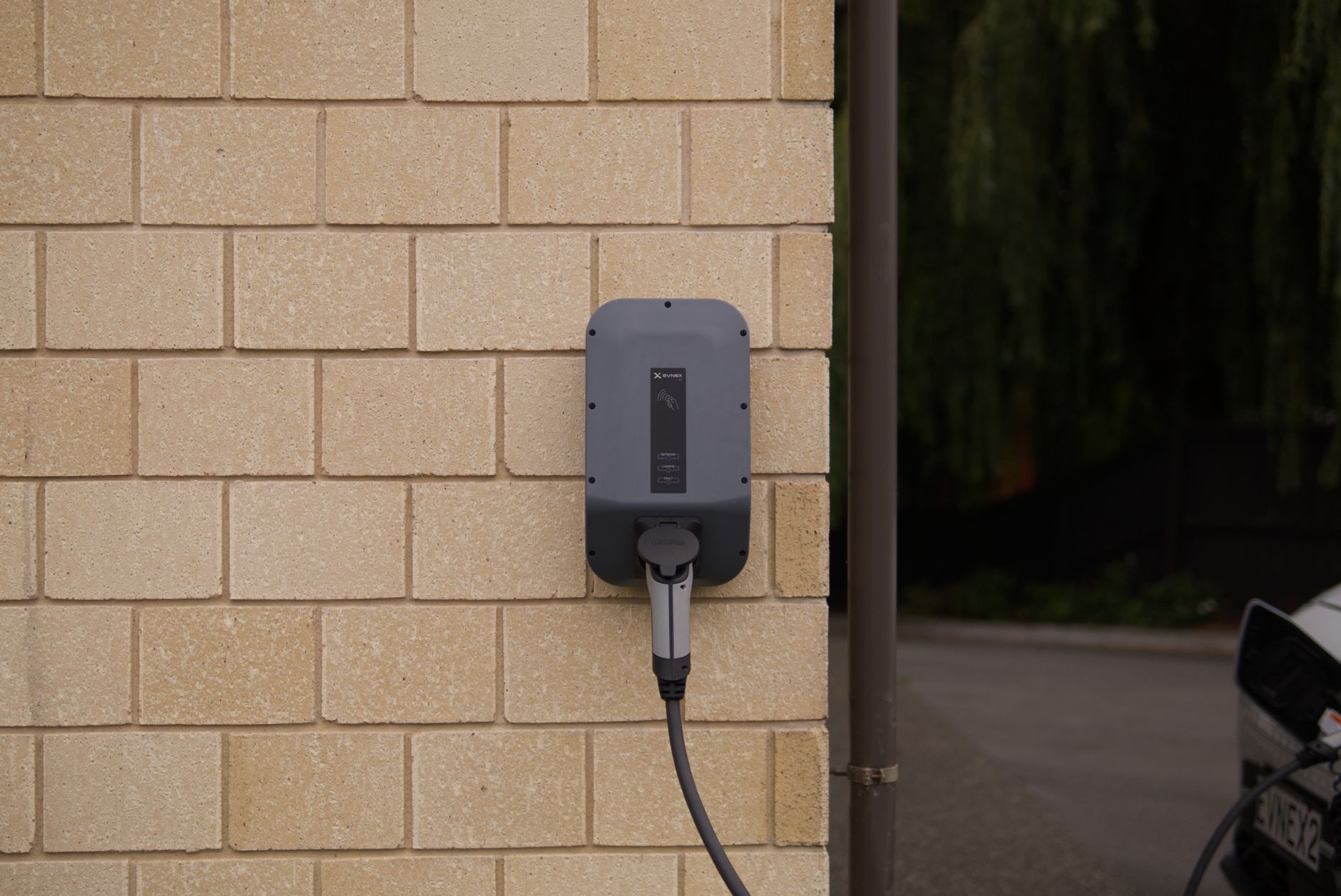
Charging networks are the spinal column of mass EV adoption. Urban chargers, highway fast-charging corridors, and residential solutions must scale together to remove friction from everyday use. Public and private players are expanding networks, while standards and interoperability improve user experience. Access to convenient, reliable charging is a decisive factor for broader consumer acceptance.
Fast-charging technology reduces dwell time, but it also raises questions about grid impact and station siting. Utilities, charging operators, and policymakers are developing strategies to avoid peak-stress scenarios and to coordinate upgrades. The U.S. Bureau of Labor Statistics and energy analysts have tracked the economic implications of this transition; their guidance stresses planned rollouts and measured access to data. Public data providers emphasize scheduled publication practices and caution against disruptive automated scraping that can impair availability for other users, if you encounter a problem, report it to your administrator with the referenced error identifier so the issue can be addressed.
Integrating EV charging with renewable energy and smart-grid controls is a force multiplier. Vehicle-to-grid and managed charging programs can shift load to times when solar and wind are abundant, reducing system costs and minimizing emissions. Consumer-facing analyses, including those examining how EV ownership affects household electricity bills, such as the reporting by LeftLane News, help set realistic expectations about operating costs and potential savings.
Charging availability is also geographic: urban centers see rapid deployment, while rural and long-distance corridors require targeted investment. The U.S. Department of Transportation, utilities, and private companies must coordinate to ensure equitable access. Well-planned infrastructure not only supports current demand but also unlocks new use cases, shared fleets, last-mile delivery, and long-range travel become feasible when charging is ubiquitous and reliable. For more context on the national transition, the BLS overview on electrification provides useful analysis: Charging into the future.
Industry disruption, design and consumer experience
The automobile is being reimagined as a connected, software-driven platform. Electric powertrains enable vastly different packaging, while digital systems govern performance, convenience, and value delivery. Manufacturers are competing on speed, utility, and lifestyle fit, witness experimental halo cars that showcase capability and radical reinterpretations of classic models that sell on emotion and nostalgia.
High-performance electric hypercars demonstrate the technology’s upper limits; record-setting entries like the Yangwang U9s showcase breathtaking acceleration and power (LeftLane News), while family-oriented reviews emphasize safety, space, and value (LeftLane News family guides). These parallel tracks (performance and practicality) push OEMs to deliver across the spectrum.
Consumer experience is no longer limited to range and reliability; it now includes digital keys, seamless connectivity, and integrated services. Features such as digital key technologies that let phones and wearables start cars are transforming access patterns and ownership expectations, as reported in coverage of Porsche’s and other manufacturers’ moves toward phone-based access (LeftLane News on digital keys).
Design language is also evolving. Retro-inspired models like Buick’s Electra Orbit reinterpret classic aesthetics for an electric future, showing how heritage brands can appeal to new tastes (LeftLane News on Buick). The payoff is clear: blending performance, everyday practicality, and emotional appeal increases adoption while allowing brands to differentiate. As competition intensifies, consumers will benefit from better products, lower prices, and richer ownership experiences.
Challenges: recycling, range anxiety, policy and autonomous systems
No optimistic roadmap is without friction. The EV transition raises questions about material sourcing, battery end-of-life, and lifecycle emissions that require pragmatic policy and industrial solutions. Battery recycling and second-life applications must scale to reduce the environmental footprint of cell production and to recover critical materials. Without robust recycling infrastructure, the upstream impacts of mass electrification could undercut its climate benefits.
Range anxiety remains a behavioral barrier even as technical range improves. Effective remedies combine better batteries, denser charger networks, and truthful consumer communication. Education campaigns and transparent performance data help recalibrate expectations. Range anxiety is as much a trust problem as a technical one, consumers need to know that charging options are reliable and that vehicle real-world range is predictable.
Regulation and incentives will shape the pace and equity of adoption. Governments deploy tax credits, rebates, and phase-out timelines for internal combustion engines to nudge markets; business leaders analyze these levers in trade publications such as CEO Weekly. Policy must balance technology-neutral environmental goals with targeted support for manufacturing and infrastructure to prevent geographic or socioeconomic imbalances.
Lastly, the integration of autonomous systems with electric platforms offers both promise and complexity. EVs are technically well suited to autonomy, but safety, software validation, and ethical frameworks remain unresolved. Deploying autonomous EVs at scale will require clear technical standards, strong governance, and continued interdisciplinary collaboration. For readers wanting a high-level sense of how these pieces fit together, accessible roundups like AutoCurious and deeper explainers such as Methodologists and CEO Weekly are useful starting points.
Looking Ahead: The Future of Electric Cars
The trajectory of electric cars is not speculative, it is the logical outcome of converging technological, economic, and policy trends. Advances in battery technology are steadily reducing costs while increasing energy density, which directly undermines range anxiety and shifts the industry economics in favor of electrification. Given these clear cost curves, it is reasonable to argue that wider adoption will follow as a result, not just aspiration.
Expanding charging infrastructure is the necessary counterpart to better batteries. Investment in fast-charging networks and urban charging access will change user behavior and broaden the practical use cases for EVs beyond niche early adopters. The evidence suggests that public and private spending on infrastructure will accelerate market uptake, making affordability more meaningful in everyday life.
Market forces are also reshaping the automotive landscape: incumbent manufacturers are reallocating capital toward EV platforms while new entrants exploit software, battery-pack innovation, and supply-chain agility. This competition fosters rapid iteration and drives down prices, reinforcing the argument that affordability will expand the EV customer base across income segments.
Integration with renewable energy and the potential for bidirectional charging amplify the environmental case. When EVs are charged from low-carbon grids, the lifecycle emissions advantage is substantial, supporting the contention that electrification is a central lever for decarbonizing transport. Simultaneously, emerging autonomous applications align naturally with electric drivetrains, creating synergies in fleet operations and energy management.
However, legitimate concerns remain: battery supply-chain impacts, recycling challenges, and gaps in rural charging networks must be addressed deliberately. Policymakers and industry actors must deploy incentives, standards, and recycling infrastructure to ensure that environmental benefits are not offset by upstream impacts. These are solvable problems if treated as priorities.
Reliable data access underpins planning and deployment. Data providers emphasize timely, scheduled distribution and restrict automated retrieval that disrupts service to others; misuse can cause delays. If you encounter an access problem, apologies are offered and administrators should be contacted with the error code: 0.e891402.1770100225.5014ff.
FAQ: The future of electric cars
Q: Why has the popularity of electric cars surged in the last decade?
A: The surge is not accidental: major manufacturers have committed resources, model variety has expanded from compact city cars to luxury SUVs, and decreasing costs (especially for batteries) have made ownership more practical; these combined forces create a self-reinforcing market shift that undermines the claim that EVs are niche products.
Q: How will improvements in battery technology shape the future of EVs?
A: Continued gains in energy density and falling costs make the case that batteries will be the decisive factor in mainstream adoption; breakthroughs such as solid-state or lithium-sulfur chemistries promise larger ranges and lower price-per-mile, directly countering the argument that EVs can’t match combustion vehicles on convenience or total cost of ownership.
Q: Is charging infrastructure keeping pace with the rise of EVs?
A: Charging networks are expanding rapidly across urban, highway, and rural corridors, and rapid-charging technologies are shortening downtime; while gaps remain, the logical response from industry and governments is to invest in networks, making the assertion that charging will remain a persistent barrier increasingly untenable.
Q: Will electric cars become affordable for most buyers?
A: Yes, economies of scale, declining battery costs, and a growing segment of budget EV models mean affordability will broaden; asserting otherwise ignores clear cost trends and the policy incentives that accelerate price parity.
Q: How are automakers responding to the EV transition?
A: Established manufacturers are reallocating R&D and production to electric vehicles, and new entrants are introducing disruptive designs; this competitive pressure drives faster innovation and disproves the notion that legacy automakers will slow the shift.
Q: What role do government policies play in accelerating EV adoption?
A: Government incentives, emissions regulations, and phase-out targets for internal combustion engines create powerful market signals that channel investment into EVs and infrastructure; these policies are not merely supportive, they actively reshape industry priorities and consumer choices.
Q: How do electric cars interact with renewable energy goals?
A: EVs amplify the benefits of renewables by allowing transport energy to come from solar and wind sources; integrating vehicles with the grid enables load balancing and storage potential, making EVs a strategic tool for decarbonizing both mobility and electricity systems.
Q: Will autonomous driving accelerate the EV transition?
A: Autonomous systems pair naturally with electric drivetrains because of control simplicity and software integration; fleet-level autonomy and shared mobility models could further boost EV deployment, undermining the view that autonomy and electrification are separate trends.
Q: Are electric cars genuinely better for the environment?
A: Electric cars eliminate tailpipe emissions and, when charged from low-carbon grids, significantly reduce lifecycle emissions; concerns about battery production are valid, but they do not outweigh the measurable reductions in air pollution and greenhouse gases when the full system is considered.
Q: What are the principal challenges that remain?
A: Real obstacles include range anxiety, uneven charging coverage, battery recycling logistics, and the environmental impact of raw-material extraction; however, technological advances, scaling infrastructure, and regulatory frameworks are the appropriate responses, and evidence suggests these solutions are already in motion.
Q: I rely on public datasets for EV research but encountered an access error, what happened?
A: Public data providers prioritize timely scheduled access for all users and may limit or block automated retrieval tools that disrupt service; if you hit an access restriction, it’s a deliberate protective measure rather than random failure. The correct action is to contact the site administrator and report the error identifier 0.e891402.1770100225.5014ff so they can investigate and restore compliant access.
Q: How should consumers prepare if they plan to switch to an EV?
A: Plan charging access at home and along frequent routes, evaluate real-world range needs rather than headline figures, factor in lower running and maintenance costs, and consider available incentives; this pragmatic preparation turns the choice to electrify from a leap of faith into a reasoned economic and environmental decision.
Continue reading