

Ford’s F-150 Lightning Surprises Market, Reintroduces Gas Engine: What This Means for Electric Vehicle Future
 By
Renée Castellano
By
Renée Castellano
| IN A NUTSHELL |
|
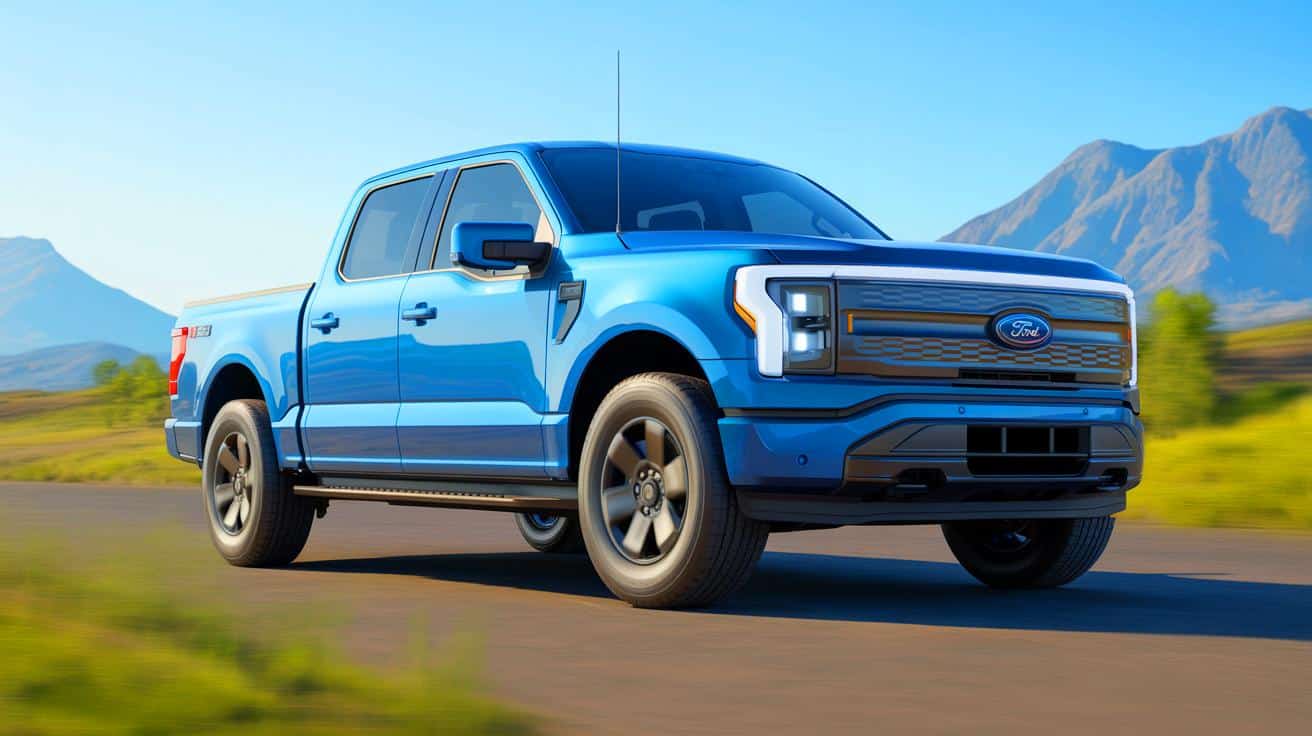
In a significant shift in its electrification strategy, Ford has announced that it will cease production of its all-electric F-150 Lightning pickup truck. The current model, which was launched as a key component of Ford’s move into electric vehicles, will be replaced by a new version featuring a range-extender plug-in hybrid system. This decision marks a pivotal moment for Ford, indicating a broader strategic realignment towards hybrid technology, especially for larger vehicles. The next-generation F-150 Lightning promises to offer extended range capabilities, combining the benefits of electric power with the practicality of a gasoline engine.
The Evolution of Ford’s Electric Strategy
Ford’s decision to pivot from a purely electric F-150 Lightning to a hybrid model underscores a reassessment of the market’s readiness for fully electric trucks. The 2022 launch of the F-150 Lightning was met with high expectations as it represented a bold step in Ford’s electrification plan. However, the anticipated demand for electric trucks didn’t materialize to the extent expected. As a result, Ford is recalibrating its approach, opting for a range-extender hybrid system that combines electric motors with a gasoline engine.
The move towards hybrids, particularly in larger vehicles like pickup trucks, seems to be driven by practical considerations. While the environmental benefits of electric vehicles (EVs) are clear, the current infrastructure and range capabilities pose challenges for long-distance hauling and towing, critical functions for pickup truck users. By incorporating a gasoline engine to recharge the battery, Ford aims to mitigate range anxiety and enhance the truck’s usability for typical users.
Understanding the New Range-Extender System
The next-generation F-150 Lightning will be equipped with a plug-in hybrid system, combining the power of electric motors with a gasoline engine that acts as a generator. This setup allows the truck to maintain its electric-driven performance while providing the flexibility and extended range that some users demand. According to Ford, this hybrid system will enable the truck to achieve a total range exceeding 700 miles, offering significant advantages for those needing to travel long distances.
Ford has suggested that most users can expect to operate on electric power alone for around 90% of their driving needs. This capability is particularly appealing in urban or suburban settings, where short commutes and daily errands constitute the bulk of vehicle use. Furthermore, the new Lightning will retain features that have become synonymous with EVs, such as the ability to power external devices and provide electricity during power outages, ensuring its utility extends beyond just transportation.
Implications for the Auto Industry and Consumers
This strategic realignment by Ford may signal broader trends within the automotive industry. As manufacturers grapple with the challenges of electrification, hybrid solutions offer a pragmatic approach that balances environmental goals with customer needs. By transitioning to a plug-in hybrid model, Ford is addressing a key consumer concern: range anxiety. This move could influence other automakers to consider hybrid options as a transitional step towards full electrification.
For consumers, the introduction of a range-extender system in a popular model like the F-150 Lightning may redefine expectations for electric vehicles. It offers a middle ground that aligns with current infrastructure capabilities while maintaining the environmental benefits and lower emissions associated with electric driving. This could lead to increased adoption of electrified vehicles among consumers who were previously hesitant.
Future Outlook and Challenges
While Ford has not specified when the new F-150 Lightning will hit the market, this transition period poses several challenges. Production shifts and the need to retool manufacturing processes may cause delays and gaps in availability. The current workforce at the Rouge Electric Vehicle Center will transition to support production of gas and hybrid models, indicating a temporary halt in electric vehicle production.
Moreover, questions remain about the specific gasoline engine that will be integrated into the new hybrid system. The industry will be watching closely to see how Ford navigates these logistical hurdles and whether the new model meets performance expectations. As the automotive world continues to evolve, Ford’s direction raises pertinent questions about the future of vehicle electrification. What role will hybrid systems play as the industry moves towards a fully electric future?