



Tips for maintaining your car in perfect condition
 By
Ethan Kowalczyk
By
Ethan Kowalczyk
|
IN A NUTSHELL |
|
Keeping a car in peak condition is not an optional chore; it is a practical imperative for anyone who values safety, reliability and resale value. Regular routine maintenance (from timely oil changes to fluid checks and battery care) prevents minor faults from becoming roadside emergencies or costly repairs. Equally essential is diligent tire care, including proper inflation, rotations and periodic alignments, which directly affect handling, fuel economy and crash risk. When warning signs appear, prompt attention from a reputable auto repair provider preserves mechanical integrity and avoids cascading damage. Modern diagnostics and targeted preventative care let drivers anticipate failures and budget for service rather than react to breakdowns. Beyond mechanics, exterior and glass maintenance safeguard visibility and structural performance, while sensible driving habits reduce wear and extend component life. This introduction argues that a disciplined maintenance regimen is the single most cost-effective strategy to protect both the car and its owner’s investment, and it sets the stage for practical, evidence-based tips that follow.
Routine maintenance schedule
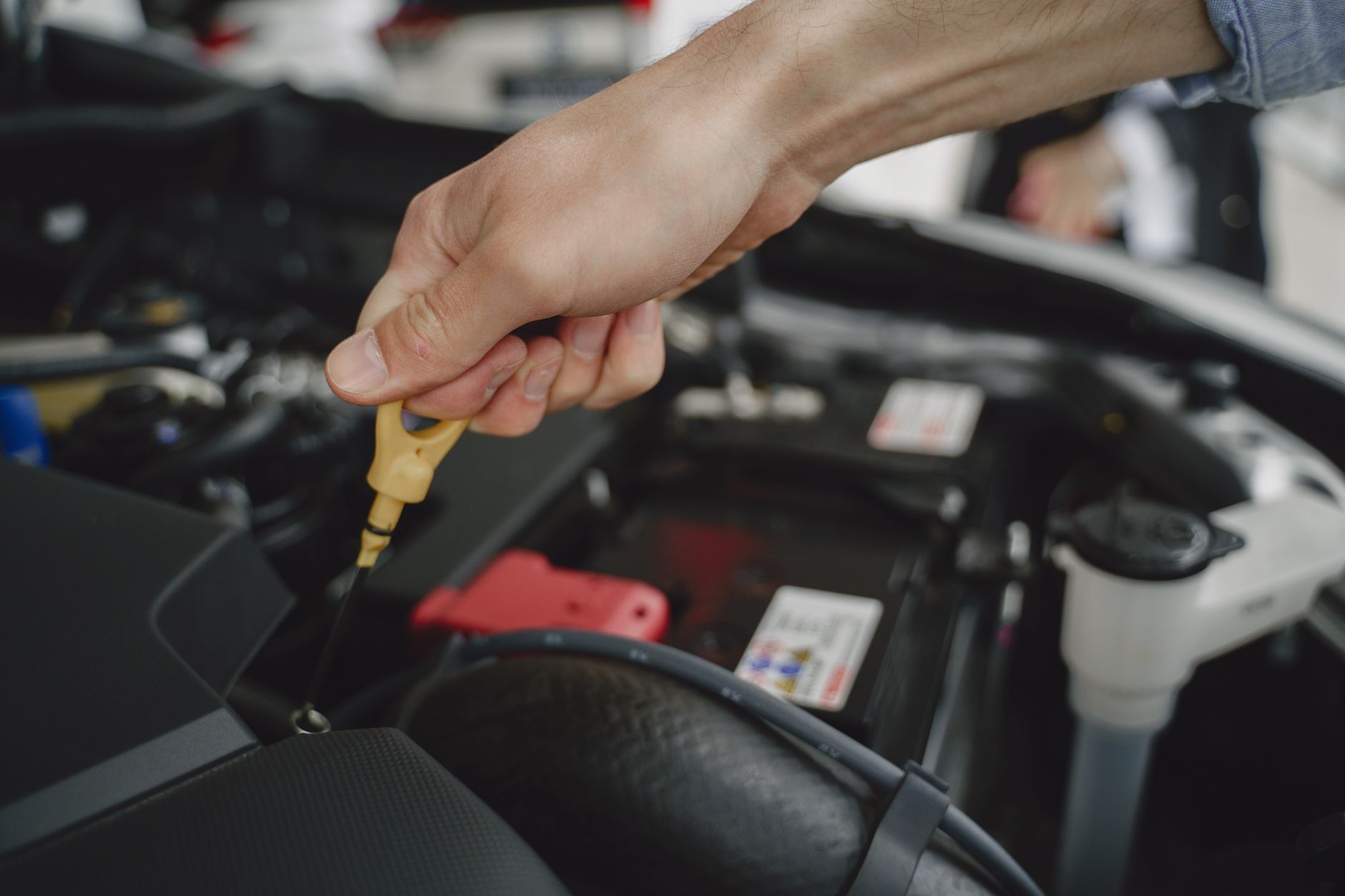
Routine maintenance is not optional if you want a car that stays reliable and retains value. Owners who treat maintenance as discretionary end up paying for avoidable repairs, so the argument for a disciplined schedule is simple: small, regular investments prevent large, unpredictable expenses. Referencing manufacturer intervals and adjusting for driving conditions will give you a defensible plan for oil changes, filter replacements, and system inspections. Follow the manual, but also recognize that real-world driving (frequent short trips, towing, or extreme temperatures) often demands tighter intervals.
Change oil and filters at recommended points; delayed service drastically increases engine wear and long-term costs. A typical baseline is every 3,000 to 5,000 miles for conventional oil, though synthetic oils extend that window. Checking coolant, brake fluid, and transmission fluid on a set schedule avoids corrosive buildup and system failure. Use reputable guides like AutoCheatSheet’s maintenance guide and evidence-based tips from Reader’s Digest to refine your approach without overpaying for services you don’t need.
Keep a maintenance log (either paper, app-based, or a simple spreadsheet) and document every oil change, fluid flush, and inspection. This record becomes both a tool for decision-making and an asset if you sell the vehicle. If you prefer consolidation, services such as Bumper consolidate vehicle history and valuation, helping you see the return on maintenance choices. When debating service intervals or whether to DIY, weigh the cost of a professional inspection against the financial risk of missed problems; the math almost always favors preventive care.
Tire care and alignment
Tires are the literal point of contact between your car and the road and deserve systematic attention. Underinflation, uneven tread wear, and misalignment erode fuel economy, compromise handling, and shorten tire life. Rotating tires every 6,000 to 8,000 miles promotes even wear across axles and maximizes the investment you made when buying your tires. If your vehicle pulls to one side, vibrates, or shows asymmetric tread wear, a wheel alignment is not indulgent, it’s essential.
Proper inflation and alignment reduce accident risk, improve fuel efficiency, and save money on premature replacements. Use the vehicle placard pressure recommendations rather than the number stamped on the tire sidewall. Check pressures monthly and before long trips. Visual and tactile checks for bulges, embedded objects, and tread depth should be routine. A quick penny test is easy: if you can see the top of Lincoln’s head in the tread, replace the tire.
When selecting service providers, seek shops that use computerized alignment systems and provide full printouts of camber, caster, and toe settings. For more comprehensive guidance on choosing the right vehicle and understanding tire-related performance tradeoffs, consult resources like LeftLane News. The table below summarizes common tire care intervals and actions to make implementation straightforward.
| Service | Frequency | Why it matters |
|---|---|---|
| Tire pressure check | Monthly | Improves fuel economy and prevents uneven wear |
| Tire rotation | 6,000-8,000 miles | Ensures even tread wear and extends tire life |
| Wheel alignment | Annually or as needed | Prevents pull, improves handling, reduces wear |
Brakes, suspension and fluid management
Focusing on stopping power and ride control is non-negotiable. The braking system, suspension components, and fluids that support them are safety-critical systems; neglect leads directly to increased stopping distances and unstable handling. Inspect brake pads, rotors, and lines regularly. If you hear grinding, feel pulsing through the pedal, or notice decreased responsiveness, these are immediate red flags that require professional attention. Replacing worn pads and resurfacing or replacing rotors early prevents damage to calipers and reduces total repair cost.
Well-maintained brakes and suspension prevent accidents and preserve other drivetrain components. Suspension elements such as shocks, struts, bushings, and tie rods influence tire wear and steering precision; worn parts increase stress across the vehicle’s structure. Regularly check for oil leaks around shock bodies, torn bushings, and excess play in steering joints. Brake fluid should be tested and replaced per manufacturer guidance; moisture contamination lowers boiling point and decreases brake efficiency.
Transmission fluid, power steering fluid, and coolant also require scheduled checks and periodic flushing. Dirty or low fluid accelerates component wear and can trigger expensive failures. For technical maintenance and problem identification, review manufacturer recommendations and contemporary service techniques available through specialized articles such as engine maintenance tips and broader maintenance compendia like Engineered Drive. When debating repair vs. replacement, prioritize proven parts and trained technicians; cutting corners on these systems creates more costly liabilities down the road.
Auto glass, exterior and interior upkeep
Visible damage and environmental exposure are not merely cosmetic issues; they affect safety, resale value, and long-term durability. A cracked windshield compromises visibility and may impair airbag deployment dynamics. Address chips and cracks quickly. Professional auto glass services can repair minor chips or replace windshields with precision, maintaining structural integrity. Ignoring glass damage is a risk that escalates with temperature changes and road vibration.
Protecting the exterior through regular washing, waxing, and touch-up work prevents oxidation and rust. Small dents and paint damage invite corrosion that spreads under the surface, undermining both looks and strength. Detail the car periodically, and consider professional body repair services when damage affects panels or alignment; modern repair shops use advanced techniques that preserve factory tolerances. For owners focused on cosmetic preservation and enhancements, specialized detailing can be as impactful as mechanical upkeep for resale value.
Interiors require routine cleaning, protective treatments, and attention to seals and electronics. Cabin air filters and wiper blades affect comfort and safety, clean filters improve HVAC performance and wipers maintain visibility in adverse weather. Seasonal care prevents premature deterioration: keep leather conditioned, use UV-protectant sprays on plastics, and ensure door seals are intact to prevent moisture intrusion. For practical tips on everyday upkeep and seasonal checklists, see consumer-facing guides like Housely and curated checklists that help you prioritize tasks without overcommitting time or budget.
Diagnostics, modern techniques and specialty services
Technology has transformed how we diagnose and repair vehicles, and resisting that progress is a false economy. Onboard diagnostics and professional scan tools identify faults before they cause cascading failures. When a warning light illuminates, immediate diagnostics will save far more than delayed troubleshooting. Experienced shops now leverage computerized alignment rigs, precision welding, and calibrated repair procedures that restore safety-critical tolerances.
Invest in diagnostic checks to convert uncertainty into actionable repairs and to prevent small faults from becoming catastrophic failures. For collision repair and complex bodywork, select shops that publish before-and-after results and that use OEM-equivalent parts. Some specialty services (from diesel parts sourcing to precision drivetrain rebuilding) require targeted suppliers and expert techs. If you operate a heavy-duty vehicle, knowing where to obtain OEM components or local diesel parts is a competitive advantage in maintenance turnaround time.
Modern repair providers also streamline customer experience through digital scheduling and transparent estimates. Compare quotes, check reviews, and ask about warranty terms on both parts and labor. For deep dives on repair strategy and the evolving service landscape, consult industry-focused resources such as LeftLane News and technical sites like Engineered Drive to understand what modern service looks like and how it defends vehicle value.
Budgeting, sustainability and long-term investments
Managing car care within a budget requires realism: deferred maintenance is not saving money, it is merely shifting and inflating costs. Establish a maintenance fund and track expenses to avoid surprises. Use budgeting frameworks and calculators to forecast routine and unexpected costs; trusted financial resources like Ramsey Solutions offer pragmatic advice for setting aside predictable reserves. Comparing service estimates across providers prevents overpayment and fosters competition.
Prioritize maintenance items that deliver the highest return on investment: engine care, brakes, and tires consistently rank at the top. Consider long-term upgrades that reduce lifetime costs: higher-quality tires, synthetic oil, and corrosion-resistant coatings can lower the total cost of ownership. Sustainability fits the calculus too, optimized maintenance reduces emissions by improving fuel economy, and recycling used parts and fluids lessens environmental impact. Choose eco-friendly cleaners and dispose of fluids responsibly.
When evaluating upgrades or custom work, assess the cost-benefit ratio: cosmetic enhancements and advanced safety retrofits may raise resale value, but only certain investments yield measurable longevity improvements. For an owner seeking to balance aesthetics, safety, and economics, resources like Reader’s Digest and practical maintenance rundowns such as LeftLane News maintenance guide help prioritize expenditures. With disciplined budgeting, proactive service, and selective long-term investments, you control costs while maximizing vehicle performance and lifespan.
Car Maintenance FAQ
Q: Why should I follow a routine maintenance schedule for my car?
A: A strict routine prevents small issues from becoming costly failures; regular checks like oil changes, fluid inspections and scheduled service visits preserve engine life, improve fuel economy, and protect resale value, so it’s financially and practically irresponsible not to follow the manufacturer’s recommendations.
Q: How often should I get an oil change?
A: While many manufacturers advise every 3,000 to 5,000 miles, modern oils and driving conditions can alter that interval, consult your manual or a trusted mechanic. The argument is simple: replacing degraded oil maintains lubrication, reduces friction, and prevents premature engine wear.
Q: What tire maintenance matters most?
A: Prioritize correct tire pressure, regular rotations (roughly every 6,000-8,000 miles), and timely wheel alignments. These actions lower replacement costs, improve handling and braking, and increase fuel efficiency; ignoring them is an avoidable risk to both safety and your wallet.
Q: When should I address a repair?
A: Immediately. Delaying fixes lets damage spread and becomes more expensive. Rely on a reputable auto repair company for diagnostics and timely intervention, prompt repairs preserve safety and prevent cascading failures.
Q: How should I care for the car’s exterior and windshield?
A: Regular washing and waxing protect paint from corrosion and road contaminants. Repair chips and scratches to avoid rust, and seek professional windshield replacement when glass compromises visibility or structural safety, this matters for both vision and proper airbag deployment.
Q: Is auto glass maintenance worth the investment?
A: Yes. Small chips can become major cracks that reduce visibility and jeopardize safety. Timely auto glass replacement or repair is cost-effective compared with the risk and expense of larger damage later on.
Q: How critical are the brakes and suspension?
A: They are fundamental to safety. Worn brake pads, low brake fluid, or failing shocks/struts degrade stopping power and handling. Regular inspections avert dangerous situations and prevent accelerated wear on other systems.
Q: Should I seek shops that use modern repair techniques?
A: Absolutely. Shops using advanced diagnostics, computerized wheel alignments, and up-to-date body repair technology produce more accurate, durable results. Choosing a provider that invests in modern tools protects your investment in the vehicle.
Q: What proactive, preventative steps save the most money?
A: Consistent actions (timely oil changes, fluid flushes, battery and filter checks, and periodic diagnostic scans) catch issues early. Preventative maintenance is the most cost-effective strategy to extend vehicle life and reduce emergency repairs.
Q: How can I manage maintenance costs without sacrificing quality?
A: Track and budget for routine expenses, compare multiple estimates for major work, and verify service quality rather than accepting the cheapest option. Maintain adequate auto insurance and consider consulting a financial professional for long-term planning, smart budgeting reduces stress and keeps maintenance consistent.
Q: What role does technology play in vehicle upkeep?
A: Modern cars come with onboard diagnostics that reveal issues early; mobile apps and online tools help schedule services and locate qualified shops. Technology increases diagnostic precision and speeds repairs, embracing it leads to fewer surprises and more reliable outcomes.
Q: How can I make car maintenance more environmentally responsible?
A: Adopt sustainable practices: use eco-friendly cleaning products, recycle old parts and fluids, and keep your engine and emissions systems tuned to maximize fuel efficiency. Sustainable maintenance reduces both long-term costs and environmental impact.
Q: Which driving habits help preserve my car?
A: Avoid aggressive acceleration and hard braking, minimize idle time, and practice smooth driving, these behaviors reduce wear on the transmission, brakes and tires and directly translate into lower maintenance needs and better fuel economy.
Q: How should I document and track maintenance?
A: Keep a detailed logbook of services, parts replaced and receipts. Well-documented maintenance not only helps you schedule future work effectively but also increases resale value; prospective buyers pay more for a vehicle with a clear, consistent service history.