


The true cost of owning an electric car today
 By
Ethan Kowalczyk
By
Ethan Kowalczyk
The electric car revolution is gathering speed, yet beneath the promise of cleaner roads and silent commutes lies a reality few owners expect. As glossy billboards showcase Tesla, Nissan, and Hyundai models gliding silently along cityscapes, buyers ponder more than just green credentials (what does it truly cost to make the switch? With upfront prices still soaring above their gas-powered counterparts and stories of unpredictable insurance or eye-watering battery replacement, the financial puzzle can be complex. But the narrative is evolving: government incentives, advancing battery tech from Chevrolet to Kia and Volkswagen, and a growing network of public chargers are changing the game. In 2025, buying an EV is as much an act of financial calculation as an environmental choice. Beneath the surface, owners and analysts alike are unpacking not just expenses, but unexpected savings and even new headaches. What follows is a journey inside the evolving economics of electric mobility) a story told through real-world numbers, hard-learned lessons, and the shifting landscape of tomorrow’s vehicles.
Unpacking the Real Costs: Sticker Shock and Beyond for Electric Car Ownership
After months of research, Alex finally parks a gleaming Ford Mustang Mach-E in the driveway, only to realize that the first dent in the wallet often happens at the dealership. Despite enticing tax credits, the price tag for most electric vehicles remains much steeper than for traditional internal combustion cars. Comparing the starting cost of a Tesla Model 3 at $40,000 to a similarly equipped ICE sedan, the gap is still apparent, even after including generous federal and state incentives.
Chevrolet and Hyundai have refined their EV lines, but high manufacturing costs related to lithium-ion batteries push prices up. Meanwhile, Nissan and Kia are racing to scale production, hoping to bring those costs down. Yet, enthusiasts like Alex discover that R&D expenses and specialized assembly lines still mean owning the latest tech comes at a premium. Even as hopes rise with evolving government policies and temporary discounts, the sticker price remains a formidable hurdle for many.
Federal Incentives and Manufacturer Comparisons: Savings or Mirage?
While early adopters once chased limited-run Lucid and Rivian models just for the eco-status, today’s shopper is pragmatic. Federal tax credits up to $7,500 still headline many sales pitches in 2025, with certain BMW and Volkswagen models benefitting from attractive rebates. However, not all brands or vehicles qualify, and state programs can be inconsistent or quickly exhausted. Alex scans local programs but notices the bureaucracy can delay gratification, and incentives sometimes evaporate for high-demand models.
A brief look at recent manufacturer data reveals stark contrasts:
| EV Model | MSRP (Base) | Federal Credit | State/Local Incentives |
|---|---|---|---|
| Tesla Model 3 | $40,000 | $7,500 | Up to $2,500 |
| Nissan Leaf | $30,000 | $7,500 | Up to $2,000 |
| Hyundai Ioniq 5 | $44,000 | $7,500 | Varies |
| Chevrolet Bolt | $27,500 | $7,500 | Up to $1,500 |
| Ford Mustang Mach-E | $43,000 | $7,500 | Varies |
For a deeper dive into new vehicle strategies, take a look at these common car buying mistakes to avoid or explore future market predictions in this guide to buying new cars in 2025.
Charging Realities: The Price of Plugging Into the Future
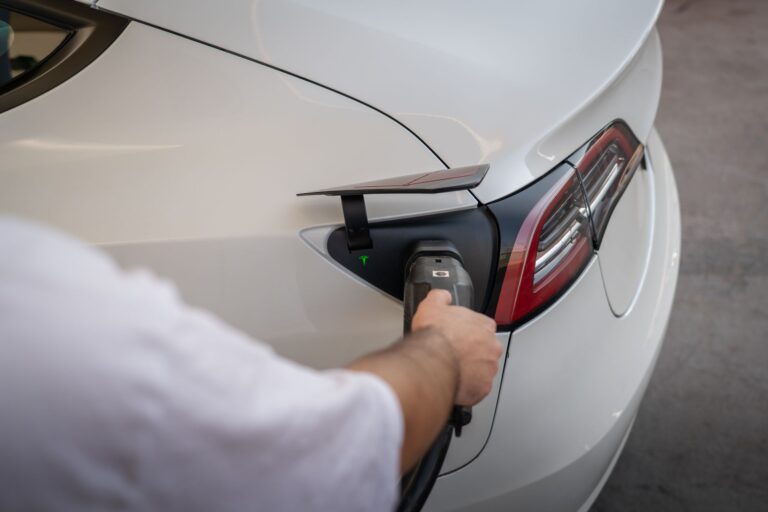
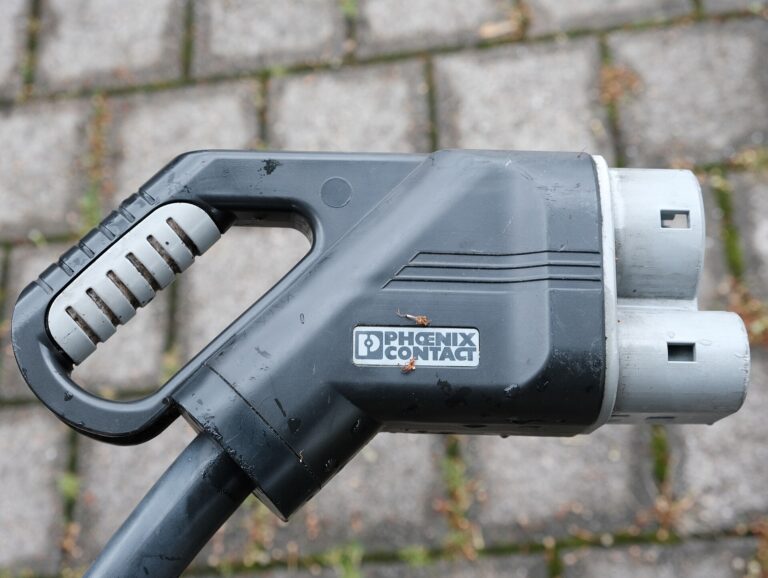
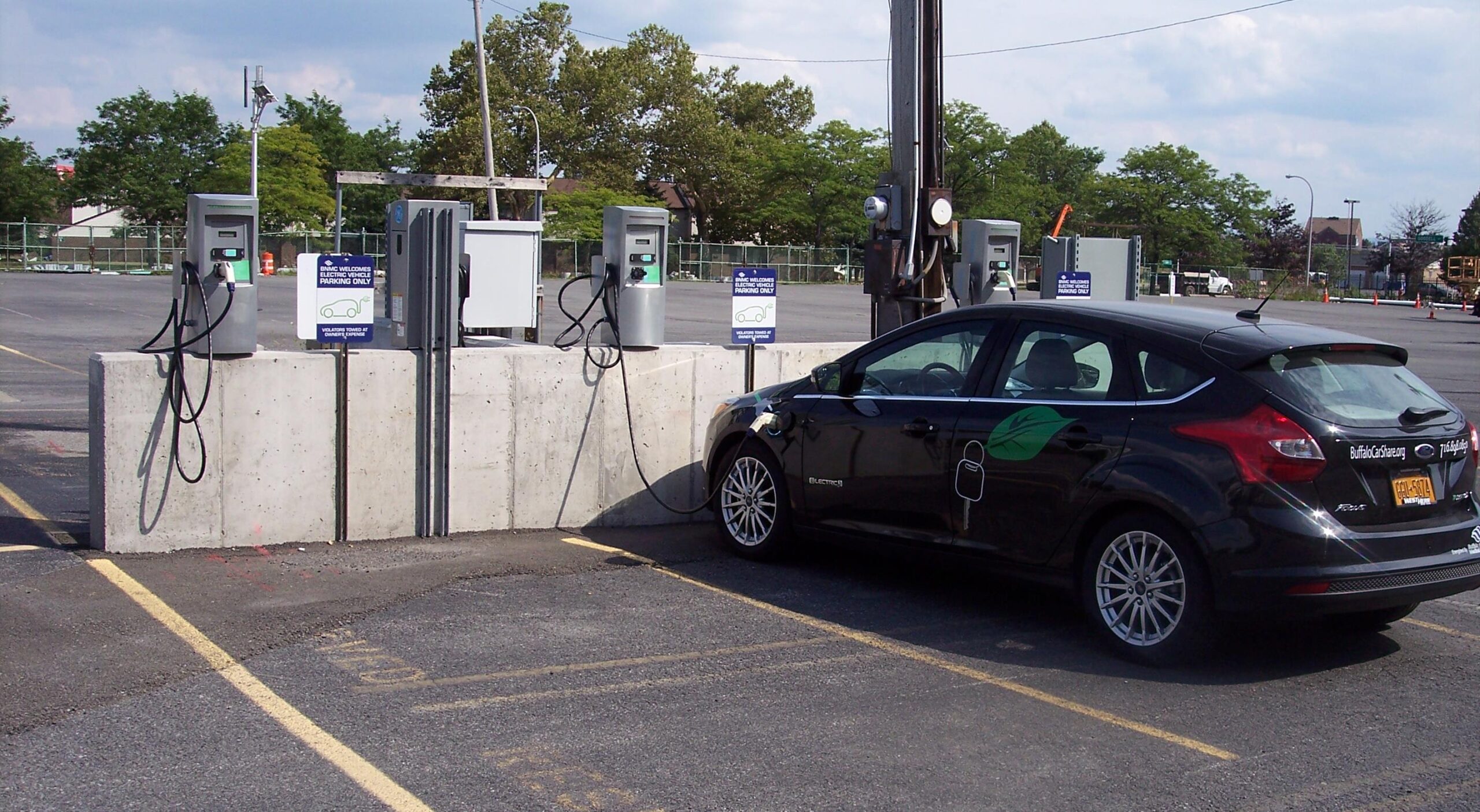
The first week with an EV typically passes in a haze of excitement (until the charging routine sets in. Public stations, while rapidly multiplying, can still mean queues and unpredictable costs. Home charging may sound convenient, but owners soon learn the necessity of installing a Level 2 charger, especially when faced with sub-10-mile-per-hour trickle charging from a home outlet. This brings not only hardware costs) ranging from $500 to $2,000 for units from Rivian, Lucid, or other top brands, but also professional installation fees, which often spiral if the house’s electrical panel isn’t up to spec.
Alex, keen to calculate savings, realizes that rapid charging at public stations reduces his monthly fuel bill by as much as 70%. However, when forced to rely on paid networks during holiday road trips, the price advantage thins out, nearly breaking even with gasoline. Regional utility rates, especially surges during peak hours, further complicate the math. Some EV software helps time charges to low-cost periods, but all homeowners must factor in setup and recurring power costs before declaring victory over the pump. For a side-by-side breakdown, compare the costs of electric vs. gas cars in detail.
Maintenance, Repairs, and When EVs Bite Back
Months in, Alex is pleasantly surprised by the absence of oil changes and transmission woes. Maintenance seems refreshingly sparse, especially for brands like Kia and Volkswagen. Yet, early wear on performance tires (strained by the heavy battery pack) means more frequent replacements and the hunt for specialized tire shops. Owners of performance BMW or high-end Lucid sedans find that even seemingly minor body or battery repairs can be complicated and expensive, especially outside warranty.
The looming question remains: how long before the battery itself requires replacement? For earlier Nissan and Chevrolet models, replacement could mean a $10,000 bill. Fortunately, manufacturers are extending battery warranties (typically 8 to 10 years or 100,000 miles) and newer tech promises batteries that last up to 15 years, barring roadside mishaps. As Alex reads anecdotal horror stories and glowing reviews online, the picture is still mixed, cost savings in regular repairs are offset by the unpredictable risk of rare, costly fixes.
Insurance, Depreciation, and the Resale Value Dilemma
Navigating the insurance maze, Alex discovers another surprise: premiums for electric cars, especially for newcomers like Rivian and high-performance BMWs, trend higher than for gas vehicles. Insurers cite expensive parts and limited repair expertise. Ford and Hyundai work to standardize components, but accidents can push up renewal costs significantly, leaving owners to ponder the next year’s budget.
The story continues as Alex considers resale. EVs have historically depreciated more quickly than ICE cars (sometimes up to 50% in the first year) due to relentless battery innovation and concerns about longevity. Yet, Tesla and select Chevrolet models are reversing the trend, as robust demand and better battery management keep residual values strong. In the used EV market, savvy shoppers are snatching up deals, but buyers and sellers are both learning that this volatility is a double-edged sword. For tips on keeping maintenance affordable, explore strategies to save money on car repairs.
Cost Comparison: ICE vs EV Over Time
For many owners, a simple tally reveals the complexity beneath the surface savings. A look at side-by-side data illustrates both the optimistic headlines and the real caveats:
| Ownership Factor | EV (5-Year Est.) | ICE (5-Year Est.) | Comment/Example |
|---|---|---|---|
| Fuel/Electricity | $3,000 | $9,000 | Tesla Model 3 vs. Toyota Camry |
| Maintenance/Repairs | $2,000 | $4,000 | Nissan Leaf vs. Hyundai Sonata |
| Insurance | $5,500 | $4,000 | Kia EV6 vs. Honda Accord |
| Depreciation | $13,000 | $9,000 | Chevrolet Bolt vs. VW Jetta |
| Battery Replacement (if needed) | $0, $15,000 | N/A | Hyundai Ioniq 5, out-of-warranty risk |
For further clarity on the evolving auto landscape, read about major car technology advancements for 2025 or browse the latest in sustainable models at our electric car spotlight.
Strategies for Maximizing Savings and Minimizing Surprises
Experience shapes expert advice: owners like Alex optimize savings not just by choosing battery warranties, but by timing home charging to avoid peak rates, hunting for current rebates, and carefully selecting models with proven resale value. For some, the answer is hybrid, balancing electric efficiency with gas-tank reassurance. Others consider leasing to dodge depreciation woes. The choices are increasingly personal, informed by geography, brand loyalty, and evolving infrastructure. For a glimpse of what tomorrow might hold, discover the future of autonomous vehicles or consult insights from industry pros at LeftLane News.
Key Questions Answered on Today’s Electric Car Ownership
Are government incentives enough to offset the higher initial price of an EV?
In many cases, incentives can level the playing field with ICE cars, especially for brands like Tesla, Nissan, Chevrolet, and Ford. However, regional variations and eligibility limits mean buyers should research current programs before committing.
What is the typical lifespan of an EV battery, and how much does replacement cost?
Most modern batteries last at least 8 to 12 years, a lifespan steadily increasing as technology evolves. Replacement costs range from $5,000 to $15,000 for most mainstream models, but are increasingly covered under longer warranties.
Does public charging cost more than home charging?
Yes, public charging (especially rapid charging) can cost significantly more than charging at home, sometimes reducing the fuel savings advantage. Smart home charging solutions and off-peak electricity rates remain the most cost-effective choice.
Are insurance rates higher for electric vehicles?
Generally, yes. Insurance premiums can be 10-30% higher due to repair complexity and part costs. However, as EV repair shops and supply chains mature, rates are expected to become more competitive.
Do EVs really offer significant long-term savings?
Over five to eight years, lower fuel and maintenance costs can make up for the initial premium, especially for frequent drivers and with robust incentives. The equation varies by model and driving habits, so calculate carefully and review owner experiences (see more here).