

“DMV Lines Could Soon Disappear”: North California’s New Law Lets Drivers Renew Licenses Online for 24 Years Without a Visit
 By
Renée Castellano
By
Renée Castellano
| IN A NUTSHELL |
|
The often-dreaded task of renewing a driver’s license might soon become a bit less agonizing for residents in certain states. Efforts are underway to simplify and streamline the renewal process, addressing common frustrations such as long wait times and complex bureaucratic procedures. By integrating technology and easing verification requirements, the aim is to make the process more efficient and accessible for drivers and Department of Motor Vehicles (DMV) employees alike. This shift could encourage more drivers to keep their licenses up to date, ultimately enhancing road safety and compliance with state regulations.
Streamlining Renewal Procedures at the DMV
The current renewal procedures at many DMVs are often a source of frustration for drivers. Long wait times, confusing paperwork, and inefficient processes can deter individuals from promptly renewing their licenses. This inefficiency not only impacts drivers but also places a significant burden on government offices, consuming valuable resources and time. The need for a streamlined process is evident and pressing.
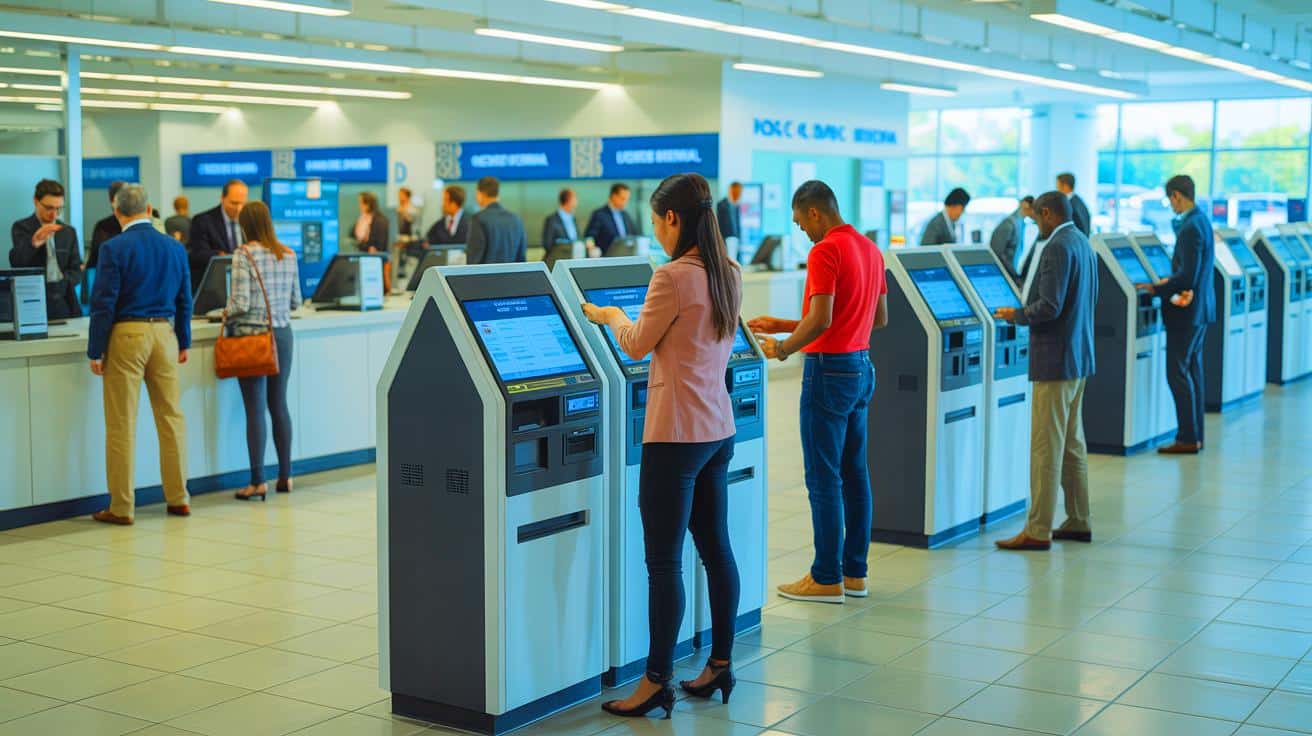
One effective solution being explored is the expansion of online renewal systems. By allowing residents to complete their renewals online, the DMV can significantly reduce wait times and free up resources for more complex issues that require in-person attention. This approach also provides flexibility for those who cannot easily take time off work to visit a DMV office. Moreover, the introduction of automated kiosks in public locations such as malls or libraries could offer quick renewal options for basic services, further enhancing convenience for drivers.
Volkswagen Unleashes Its Own Epic Gymkhana Video: A Thrilling Ride!
This State Sees New Driving License Renewal Procedures
In response to the demand for more efficient renewal processes, some states are embracing the expansion of online renewal systems. Despite initial resistance due to concerns over the digital divide, data security, and budget constraints, advancements are being made. North California, in particular, is making significant strides with the passing of Senate Bill 245. This legislation extends the frequency of remote renewals, allowing residents to renew their licenses online a second consecutive time under specific conditions.
This change effectively increases the period between mandatory in-person renewals from 16 years to 24 years for standard licenses. However, it is crucial to note that REAL ID holders will still need to renew their IDs in person. This law, set to take effect this fall, represents a significant step toward modernizing the renewal process and addressing the concerns of drivers. As Governor Josh Stein noted, it will also enhance the state’s ability to protect against cyber threats, ensuring the security of sensitive information.
“It will also strengthen the state’s ability to protect against cyber threats,” said Gov. Josh Stein.
More Changes Are Coming Soon for Driver’s Licenses
The landscape of driver’s licenses is evolving rapidly, driven by the need to modernize identification systems and streamline processes. The implementation of the REAL ID verification earlier this year marked a significant milestone. Additionally, the rise of digital licenses is gaining traction as more states pass legislation to allow residents to carry digital identification cards.
How supercars are changing the face of automotive technology
Currently, states such as Arizona, Colorado, Georgia, Iowa, Louisiana, Maryland, and Utah have operational digital license programs. Soon, Georgia will join these states with its own digital license verification system, thanks to new legislation. By July 1, 2027, Georgia aims to enable residents to carry a digital ID without the need for a physical one. This initiative will require law enforcement officers to have devices capable of reading these digital IDs, ensuring a smooth transition to a more modern identification system.
The Future of License Renewal and Identification
As technology continues to advance, the processes surrounding driver’s license renewal and identification are poised for significant transformation. The integration of digital systems and streamlined procedures offers the potential for increased efficiency and convenience for both drivers and DMV employees. However, this transition also raises important questions about data security, accessibility, and the impact on those who may not have easy access to digital resources.
As states move forward with these changes, it will be crucial to address these concerns and ensure that all residents can benefit from the advancements without facing new barriers. How will states balance the need for modernization with the imperative to protect individual privacy and accessibility? The answers to these questions will shape the future of DMV services and the experience of drivers across the nation.