

“Europe’s EV Dream Just Hit Pause”: BYD Bets on Hybrids and Hydrogen to Outsmart Tariffs and Redefine the Road Ahead
 By
Owen Fairbrother
By
Owen Fairbrother
| IN A NUTSHELL |
|
As the automotive industry stands on the cusp of a transformative era, the shift from electric vehicles (EVs) to alternative technologies is gaining momentum. One major player at the forefront of this change is BYD, a Chinese automotive giant known for its focus on electric vehicles. However, BYD is now reassessing its strategy, especially in the European market, where EV adoption has been fragmented. By exploring hybrid technologies, BYD is poised to reshape the industry landscape, offering a dual-pathway approach to cater to diverse consumer needs. This shift signals a broader trend in the industry, reflecting a nuanced understanding of market dynamics and consumer preferences.
Europe Reconsiders Its Electric Vehicle Strategy
Europe has long been associated with the rise of electric vehicles, but recent trends suggest a shift in this narrative. BYD’s analysis of the European market reveals a fragmented adoption of EVs across the continent. Maria Grazia Davino, BYD’s head of Central Europe, emphasized that the enthusiasm for EVs is not uniform among Europeans. During a recent interview at the Reuters Automotive Conference, Davino highlighted a critical realization: electric vehicles, despite their environmental benefits, do not always translate into strong sales figures.
In the first quarter of 2025 alone, approximately 37,000 electric vehicles were sold in Europe. However, countries like Germany present significant challenges in selling EVs. A contributing factor to this challenge is the increasing tariffs on China-made EVs, which have created a shaky market environment. To navigate these complexities, BYD is exploring alternative pathways, identifying itself as a dual-pathway company. This approach involves not only maintaining a presence in the fully electric vehicle sector but also developing hybrid offerings to meet diverse consumer demands.
Supercar maintenance: Tips for keeping your ride in top shape
BYD’s Strategic Pivot Toward Hybrids
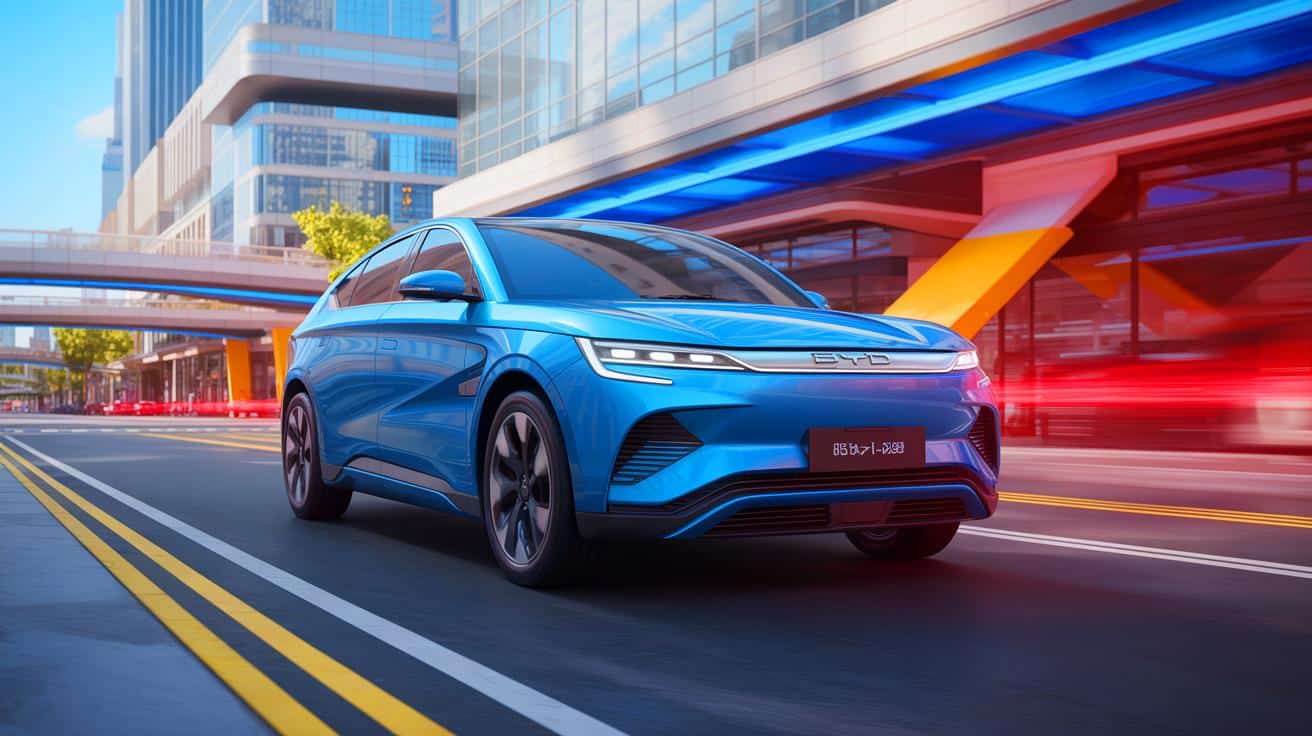
In a strategic move, BYD is expanding its portfolio to include two new plug-in hybrids (PHEVs) set to launch in 2025, alongside its existing Seal DM-i sedan. By offering these alternatives under the DM-i label, BYD aims to align with customers’ readiness for hybrid technology. The company is revisiting combustion engines but with a modern twist. Secret investments in facilities in Turkey and Hungary are part of a strategy to assemble vehicles in Europe, thereby avoiding EU tariffs and ensuring faster delivery times.
The DM-i powertrains offered by BYD are not traditional hybrids. Instead of powering the wheels, the smaller combustion engine charges the batteries, promising a longer range while maintaining the electric drive experience. This approach addresses infrastructure limitations, ensuring that the hybrids align with European sustainability and performance standards. Notably, BYD’s Denza brand is set to debut in cities like Milan, positioning itself to compete with established automakers such as Mercedes and Audi. The target market for BYD’s Denza Z9 GT includes buyers who desire EV-like performance but remain skeptical about fully electric vehicles.
Hybrid Fuel Innovations: A Game Changer?
Amidst its public pivot from pure electric vehicles, BYD’s development efforts remain largely under the radar. The company is testing a groundbreaking hybrid fuel blend that integrates hydrogen-enriched gasoline. This “H2-boost” technology involves hydrogen injections alongside petrol, aiming to enhance fuel efficiency while reducing emissions. By combining this innovation with its DM-i platform, BYD projects a 30% to 40% improvement in fuel efficiency compared to other hybrids.
BYD’s exploration of hydrogen-enriched fuels underscores its commitment to an evolving electric future. While not abandoning electrification, the company is positioning itself as a pioneer in integrating hydrogen into its mobility solutions. This strategic move sets the tone for a future where hydrogen plays a significant role in achieving sustainability goals.
The Future of Mobility: BYD’s Vision
As BYD navigates the complexities of the automotive market, its dual-pathway approach reflects a pragmatic understanding of consumer needs and market trends. By offering a range of drivetrain solutions, the company is giving competitors, like Toyota, a reason to reconsider their strategies. The journey toward net-zero emissions by 2050 necessitates exploring diverse technologies beyond electric vehicles alone.
BYD’s efforts to accelerate the adoption of hybrids and alternative fuel solutions highlight the multifaceted nature of achieving sustainability. By embracing hybrids and hydrogen-enhanced fuels, BYD is not only responding to current market demands but also setting a precedent for future mobility solutions.
As the automotive industry evolves, BYD’s strategic decisions underscore the importance of adaptability and innovation. By exploring hybrid technologies and hydrogen-enriched fuels, the company is paving the way for a more sustainable future. As we consider the implications of this shift, the question remains: How will other automakers respond to this evolving landscape, and what role will hybrids play in the journey toward a sustainable future?
Continue reading