

How to get the most range out of your electric car
 By
Ethan Kowalczyk
By
Ethan Kowalczyk
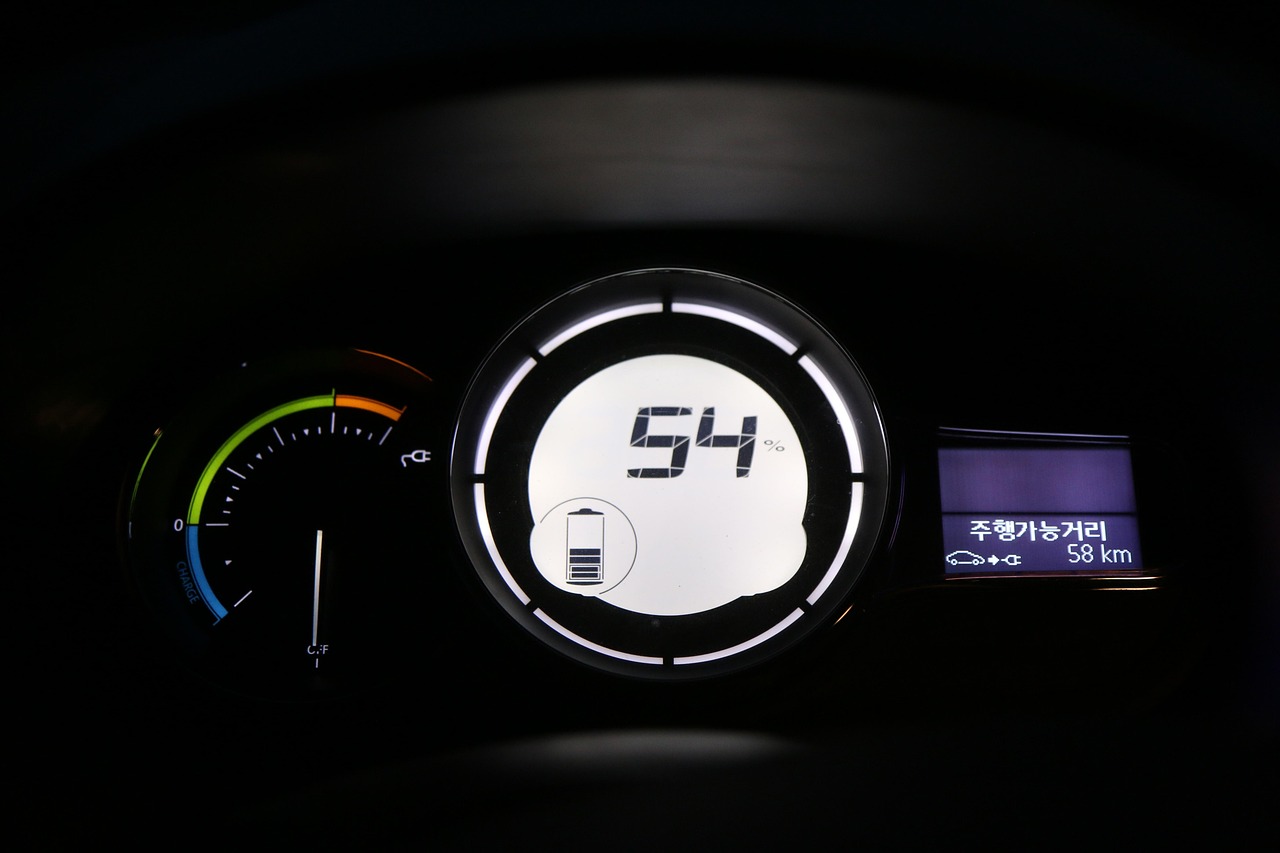
On a cool morning in early spring, Maya zipped out of her driveway in her Hyundai Ioniq 5, eager to make the most of her vehicle’s impressive range. Her destination was a family gathering across state lines (no easy feat for early electric vehicles like the first-generation Nissan Leaf, which barely topped 120 miles per charge. But today, EVs from Tesla and Ford to Volkswagen, BMW, and even luxury leaders like Lucid regularly achieve well over 300 miles, pushing the horizon further with each battery innovation. Still, beneath the quiet confidence, a tinge of range anxiety lingers for many. Charging infrastructure has grown, but remains uneven in rural stretches, and variables like driving style, battery care, and even a gusty day can mean the difference between a seamless journey and the nagging search for a charger. Yet, the revolution rolls on: with new models and incentives in 2025, getting the most out of your electric ride is not just possible) it’s a craft, blending old-school common sense with next-gen technology. Drivers like Maya aren’t just adapting; they’re mastering the art of efficiency, step by step.
Maximizing EV Range: Smart Techniques for Everyday Driving
For drivers who crave freedom and efficiency, a few subtle habits can transform the range of any electric vehicle, from a trusty Chevrolet Bolt to the latest Polestar sedan. Speed is the first silent thief, pushing the accelerator past 60 miles per hour steals precious miles without mercy. Maya realized this early during her road trips, learning to let cruise control do the heavy lifting and resist the temptation to chase the open road at full tilt. Gently modulating the throttle, coasting to stops, and treating each outing as a dance with inertia rather than a race transformed her commutes and family getaways alike.
Fine-tuning Your Route and Managing Regeneration
Even the most skilled driver knows that the terrain itself shapes efficiency. For Maya, planning trips using navigators that prioritize energy-saving routes was a game-changer. Apps like Google Maps have evolved, automatically plotting the most efficient journey based on real-time data. Urban environments, with their frequent stops and starts, unlock the power of regenerative braking technology, a feature now standard on models from Volkswagen, Kia, and BMW. Instead of begrudging red lights, Maya developed a gentle touch when decelerating. Her vehicle reclaimed energy, converting motion back into precious battery charge, nudging her range higher with every smooth stop.
| Brand | Regenerative Braking | Efficient Route Planning |
|---|---|---|
| Tesla | Advanced, adjustable | Integrated navigation |
| Nissan | Single pedal/e-Pedal | App compatibility |
| Chevrolet | Standard regen modes | Third-party apps |
| Hyundai/Kia | Paddle-select regen | Eco-navigation |
| BMW | Dynamic, adaptive | Intelligent mapping |
But technology is only half the battle, decisions like avoiding steep hills, planning around charging stops, or even choosing routes with fewer stops can net significant extra miles for drivers of all stripes and badges.
Climate Control, Accessories, and the Hidden Costs of Comfort
The next frontier in Maya’s quest for range wasn’t under the hood, but inside the cabin. She learned firsthand that climate control systems demand substantial battery power, particularly during the humid Midwest summers and frosty winters. Switching to heated seats or ventilated cushions, rather than blasting the core system, became her silent ritual. On brisk days, she dressed in layers rather than trust the heater with her range. Come July, a cracked window and a well-placed sunshade reduced the A/C’s burden, proving that small adaptations can have a measurable impact.
Managing Tire Pressure and External Loads
The pursuit of efficiency sometimes means a quick pit stop at the air pump. Under-inflated tires quietly eat away at range, increasing rolling resistance and wear. Maya checked her tire pressure regularly, especially before long journeys. She also learned to travel light, removing roof racks, unnecessary gear, and even playful spoilers unless the occasion demanded. The lighter and more streamlined the car, the easier it glided down the highway, regardless of brand, be it Kia, Ford, or Lucid.
| Accessory/Condition | Impact on Range | Recommended Action |
|---|---|---|
| Roof rack | -5% to -15% | Remove if not in use |
| Low tire pressure | -3% to -10% | Keep tires fully inflated |
| Overloaded trunk | -2% to -7% | Travel light |
| Heavy climate use | -10% or more | Heated seats > full heating |
Comfort and convenience may seem harmless, but each choice plays a role in the subtle calculus of range management. The result? More freedom, fewer unexpected stops, and a drive that feels as seamless as it is sustainable.
Battery Health, Charging Habits, and Long-Term Range Preservation
Behind every successful road trip lies a healthy battery (Maya quickly discovered that caring for her EV’s heart meant balancing convenience and longevity. Experts recommend keeping charge levels between 20% and 80% whenever possible. Fast charging is a marvel of modern technology, but frequent use) especially at very high or very low states of charge, can accelerate wear over time. By using slower charging methods overnight and reserving DC fast charging for emergencies, Maya preserved both her Hyundai’s maximum range and its resale value.
Practical Guidance: Manuals and Model Differences Matter
What’s more, every electric car is a little different. Tesla recommends slightly different charging routines than BMW or Polestar, and some Nissan models function best when charged to full, especially for city driving. Maya always checked her owner’s manual, and joined online forums, finding that enthusiasts for Volkswagen, Lucid, and Chevrolet happily swapped insights, troubleshooting quirks and celebrating every minor efficiency gain together. Detailed guides on battery innovations and maintenance costs proved invaluable as her EV aged.
Battery health informs every aspect of EV ownership, from the thrill of a Saturday adventure to the peace of mind on an ordinary Tuesday commute. With carmakers from Ford to Kia racing to improve battery chemistry, every driver can shape their own story of range mastery.
EV Range Optimization: Navigating New Incentives and Model Choices
In 2025, the electric landscape is not just changing (it’s erupting. Governments are rolling out powerful incentives for EV owners, easing the cost of upgrades and maintenance and encouraging more people to make the switch. Maya and her neighbors learned to keep an eye on the latest incentive programs and manufacturer offers) not just for range, but for innovations in safety, charging, and onboard intelligence. Newcomers often rely on resources like how to choose your first EV or family-oriented buying guides to navigate evolving choices.
The lineup stretches from affordable Chevrolets and sturdy Fords to luxury BMWs and futuristic Lucid sedans. With each update (like Volvo’s ES90 and its 300-mile promise) manufacturers up the ante, aware that informed drivers will no longer settle for short commutes or sparse charging infrastructure. The digital era means information, support, and upgrades are just a click away, and even specialty vehicles like hybrids are finding renewed interest (see more here).
- Left Lane News, Matched Electric Car Insights
- Left Lane News, Current Electric Car Trends
- EV Benefits in 2025
- EV Upkeep Tips
- Latest Electric Models
Electric ownership is more than stats or software updates, it’s about empowerment, community, and the thrill of the open road, made new.
Frequently asked questions about getting the most range out of your electric car
What is the optimal speed for maximizing EV range? Maintaining a steady speed around 60 mph is generally most efficient for energy conservation across brands like Tesla, Ford, and Nissan. Higher speeds increase wind resistance and battery consumption, so sticking near this threshold extends your travel distance.
How important is tire pressure for electric vehicles? Proper tire inflation dramatically affects range. Under-inflated tires create more rolling resistance, requiring more battery power to move. Regularly checking and adjusting tire pressure is one of the simplest ways to boost efficiency, regardless of model.
Can frequent use of fast chargers affect my EV’s battery? While modern EVs from Hyundai, Kia, and BMW can handle fast charging, frequent use (especially outside optimal charge levels) may hasten battery degradation. It’s wise to primarily use slower, home charging and save DC fast charging for travel or emergencies.
Should I use features like heated seats instead of cabin heating? Yes, heated seats or steering wheels use significantly less energy than heating the entire cabin. In colder months, this strategy preserves valuable battery life and stretches your range, a tip often shared among experienced EV owners.
How do I ensure my EV lasts for years without battery issues? Keeping your charge mostly between 20% and 80%, minimizing extreme heat/cold exposure, and following the manufacturer’s recommended charging habits will extend battery longevity. Regular check-ups and software updates from brands like Chevrolet, Volkswagen, and Lucid further protect your investment.