


“Mercedes Just Killed Touchscreen Cars”: Luxury Giant Admits 55 Inch Display Causes Crashes While Drivers Demand Physical Buttons Back
 By
Renée Castellano
By
Renée Castellano
| IN A NUTSHELL |
|
In recent years, the automotive industry has seen a significant shift towards digitalization, with touchscreens becoming a central feature in vehicle interiors. Mercedes-Benz, a leader in luxury automotive manufacturing, embraced this trend with its MBUX Hyperscreen, a massive touchscreen interface designed to centralize vehicle functions. However, the company is now taking a step back from this all-digital approach. Mercedes is reintroducing physical buttons, as they are deemed safer and more effective by their software chief. This decision marks a noteworthy evolution in the brand’s strategy, sparking discussions on the balance between digital innovation and traditional usability in modern cars.
The Return of Physical Controls
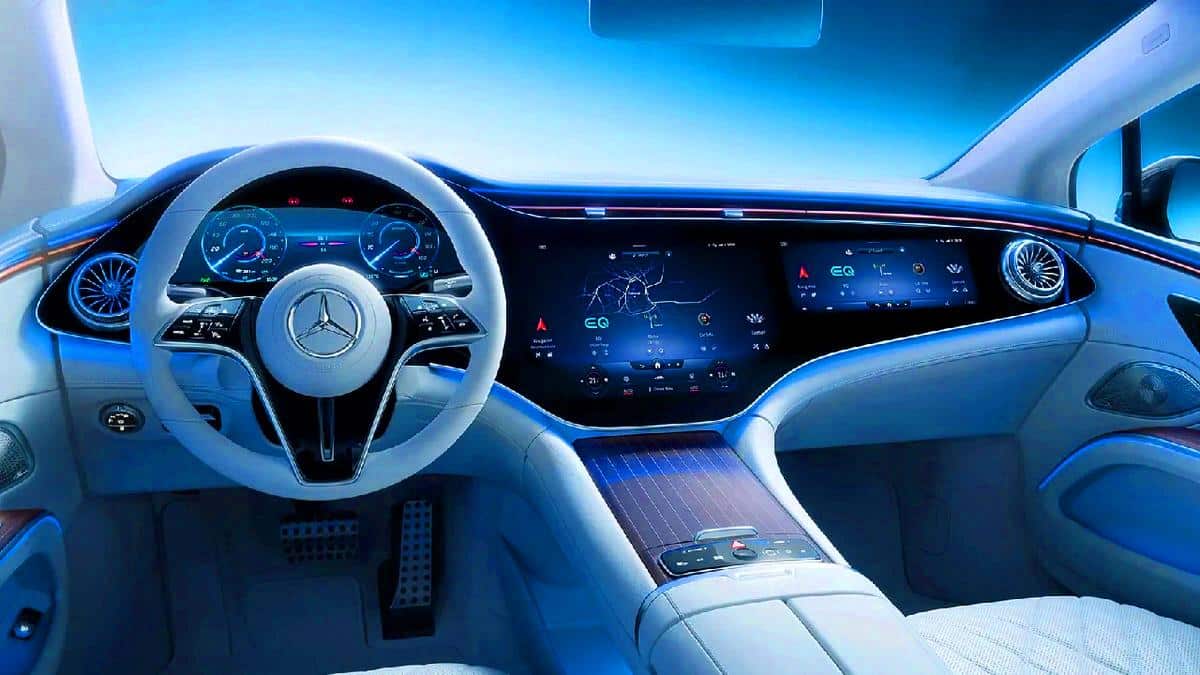
The introduction of the MBUX Hyperscreen by Mercedes was a bold statement in automotive design. Spanning an impressive 55 inches across the dashboard, this expansive touchscreen aimed to simplify vehicle operation by integrating all functionalities into a single interface. From climate control to navigation, the touch interface promised a seamless experience. However, this digital-first approach also meant the near-complete elimination of traditional buttons.
Despite the initial excitement, the shift to a fully touchscreen interface has not been without its challenges. Many drivers have expressed concerns about the practicality and safety of touchscreens, particularly while driving. Physical buttons allow users to locate and activate functions by feel, reducing the need to take their eyes off the road. In contrast, touchscreens often require more visual attention, potentially increasing the risk of distraction.
The decision by Mercedes to reintroduce physical buttons reflects a growing recognition of these safety concerns. By combining the intuitive nature of traditional controls with the sleek design of modern screens, Mercedes aims to offer a more balanced and user-friendly driving experience.
Supercar maintenance: Tips for keeping your ride in top shape
Balancing Innovation and Usability
As automotive technology continues to advance, manufacturers face the challenge of balancing innovation with usability. Touchscreens offer a modern aesthetic and the ability to continuously update software features, making them appealing from a design and functionality standpoint. However, they can be less intuitive for certain tasks, especially those requiring quick adjustments, such as changing the radio station or adjusting the air conditioning.
Mercedes’ decision to reintegrate physical controls is a response to these usability concerns. By listening to customer feedback and conducting thorough research, the company is working to find the optimal blend of digital and analog controls. This shift is not just about aesthetics but ensuring that technology enhances, rather than complicates, the driving experience.
There is also an argument to be made for the tactile satisfaction that physical buttons provide. The immediate feedback of pressing a button can be reassuring for drivers, particularly in high-stakes situations where quick response times are crucial. By acknowledging these factors, Mercedes is setting a precedent for other manufacturers to consider the broader implications of their technological choices.
Industry-Wide Implications
Mercedes’ pivot back to physical controls could have far-reaching implications for the automotive industry. Other manufacturers, who have also embraced touchscreen interfaces, may reconsider their strategies in light of this development. The move highlights a potential reevaluation of the role of touchscreens in vehicles, suggesting a more nuanced approach to integrating technology into car design.
This trend could lead to a broader shift in industry standards, with more companies opting for a hybrid model that combines both touchscreens and traditional controls. Such a model could cater to a wider range of driver preferences and improve overall safety by minimizing distractions. As automotive technology continues to evolve, the industry’s approach to integrating these advancements will play a crucial role in shaping the future of driving.
Furthermore, regulatory bodies may take note of these developments, potentially influencing future guidelines and safety standards. As cars become more technologically advanced, ensuring that these innovations do not compromise safety will remain a top priority.
Volkswagen Unleashes Its Own Epic Gymkhana Video: A Thrilling Ride!
The Future of Automotive Design
Looking ahead, the reintroduction of physical buttons by Mercedes raises questions about the future of automotive design. As technology continues to evolve, manufacturers will need to strike a delicate balance between innovation and practicality. The goal will be to create vehicles that are not only cutting-edge but also safe and user-friendly.
This shift may also prompt designers to rethink how technology is integrated into car interiors. Rather than viewing touchscreens as the ultimate solution, there may be a move towards more sophisticated interfaces that incorporate a variety of control options. This approach could lead to more personalized and adaptable vehicle experiences, catering to the diverse needs of drivers.
As the automotive industry navigates these changes, the decisions made today will likely have a lasting impact on the cars of tomorrow. How will manufacturers continue to innovate while ensuring safety and usability for all drivers?