
Pitchers Commuting by Car to the Mound: Rediscovering a Quirky Baseball Tradition That Once Defined the Game
 By
Keisha Holloway
By
Keisha Holloway
| IN A NUTSHELL |
|
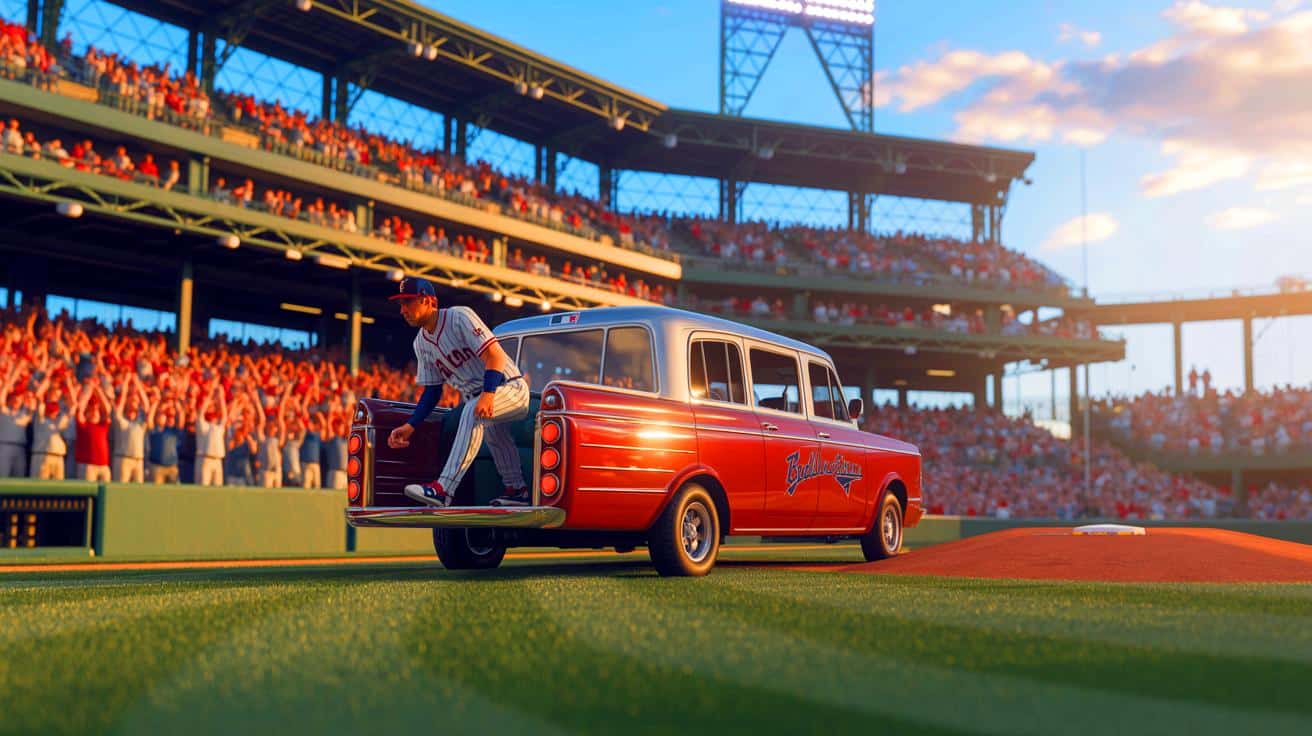
Baseball, America’s beloved pastime, has a rich and colorful history filled with traditions that evoke nostalgia and intrigue. One such tradition, now largely forgotten, is the use of cars to ferry relief pitchers from the bullpen to the mound. This quirky practice began in the 1950s and persisted until the mid-1990s in the United States. Although it might seem unusual to mix automobiles with the game of baseball, this tradition added a unique layer of excitement and entertainment to the sport. Today, while the practice has faded in the U.S., it continues to thrive in Japan, where baseball and car culture are deeply intertwined.
The Origins of Bullpen Cars in Baseball
The concept of bullpen cars emerged in the 1950s, offering a novel way to deliver relief pitchers to the mound. While the make and model of the first bullpen vehicles remain a mystery, the Cleveland Indians, now known as the Guardians, were among the early adopters. They utilized a “small red auto” to transport pitchers, as noted in a 2007 ESPN article. This practice quickly caught on, with various teams experimenting with different vehicles to enhance the game-day experience.
Chicago’s White Sox were one of the first teams to embrace this idea, starting in 1951. They used a car to transport diminutive reliever Marv Rotblatt to the mound at Comiskey Park. However, the experiment was short-lived as fans often threw objects at the car, prompting the team to abandon the practice after four years. Despite the challenges, the bullpen car tradition became a staple in baseball for several decades, providing fans with a spectacle beyond the game itself.
A Unique Blend of Entertainment and Mayhem
Throughout the 1970s and 1980s, baseball games were a captivating mix of professional athleticism and circus-like entertainment. Bullpen cars played a significant role in this dynamic, often becoming targets for rowdy fans. The Chicago White Sox, for instance, reintroduced a bullpen car in 1981, commissioning a white Chrysler LeBaron for the task. However, players largely refused to ride in it due to the barrage of beer cups and other debris hurled by fans.
The New York Yankees also ventured into the bullpen car arena, partnering with automakers like Datsun and Toyota. In 1972, they introduced a liveried Datsun B110 coupe, which later became a source of mild embarrassment for Yankees public relations director Marty Appel. He purchased the car after the 1976 season, only to find himself in trouble with the law for its branded appearance. The bullpen car era was characterized by both enthusiasm and chaos, as teams sought to create memorable moments for their supporters.
Japan’s Ongoing Love Affair with Bullpen Cars
While bullpen cars have disappeared from American baseball, the tradition has found a lasting home in Japan. Japanese baseball fans are known for their fervent yet respectful support of the sport. Teams like the Yakult Swallows have embraced this tradition, with relief pitchers making dramatic entrances in stylish vehicles like a Porsche Boxster. The intertwining of baseball and automakers is evident, with companies like Mazda and Nissan playing significant roles in the sport.
The Hiroshima Toyo Carp, owned by the Matsuda family, founders of Mazda, exemplifies this connection. Similarly, the Yokohama BayStars have utilized Nissan vehicles, including a converted Be-1 and a Nissan Leaf with a unique design. These bullpen cars not only transport pitchers but also provide a platform for fans to connect with their favorite players, adding an extra layer of excitement to the game.
The Bullpen Car’s Role in Modern Baseball
In recent years, the tradition of bullpen cars has taken on new forms, especially during high-profile events like the 2020 Tokyo Olympic Games. Toyota introduced innovative electric vehicle (EV) bullpen carts, featuring giant mitts for relief pitchers to sit in. These modern adaptations reflect baseball’s evolving relationship with technology and sustainability, while still honoring the legacy of bullpen cars.
Despite the mixed reactions from players, the presence of bullpen cars in Japan continues to captivate audiences. They serve as a reminder of baseball’s ability to blend tradition with innovation, creating moments that resonate with fans worldwide. As the sport evolves, the bullpen car tradition remains a testament to the enduring appeal of baseball’s unique cultural elements.
As baseball continues to evolve, the legacy of bullpen cars serves as a reminder of the sport’s rich history and capacity for reinvention. While the tradition has faded in the U.S., it thrives in Japan, showcasing the global impact of baseball and its cultural significance. What other forgotten traditions might be revived or reimagined to enhance the modern baseball experience?