

“They Burned Alive Inside”: Families Sue Tesla After Cybertruck Doors Allegedly Trapped Students in Deadly California Fire
 By
Graham Pettigrew
By
Graham Pettigrew
| IN A NUTSHELL |
|
In the aftermath of a tragic crash involving a Tesla Cybertruck, questions have arisen about the safety of the vehicle’s door mechanisms. This accident, which occurred on Thanksgiving Eve 2024, resulted in the deaths of three college students in California. The incident has prompted lawsuits against Tesla, with families alleging that faulty electronic door systems trapped the victims inside the vehicle, leading to their deaths. The crash has brought to light longstanding concerns about the safety of Tesla’s electronic door systems, which rely on power that can fail in emergencies, leaving passengers struggling to escape.
The Cybertruck Crash and Its Aftermath
The tragic incident took place in Piedmont, California, when a Tesla Cybertruck collided with a tree and a wall. The victims (Krysta Tsukahara, Jack Nelson, and driver Soren Dixon) were unable to escape the vehicle due to the failure of the electronic door releases. The crash not only resulted in a fatal fire but also highlighted potential design flaws in Tesla’s vehicles. A fourth passenger survived but was injured, adding another dimension to the ongoing discussions about safety standards.
In the wake of this tragedy, the families of the victims filed lawsuits against Tesla, claiming the electronic door handles were to blame for trapping the victims inside. The National Highway Traffic Safety Administration has since initiated an investigation into the design of Tesla’s flush-mounted door handles, examining their role in this and other incidents. The lawsuits underscore the dire consequences that can arise when technology fails in critical moments.
Legal Actions and Safety Concerns
Following the accident, the families of Tsukahara and Nelson took legal action against Tesla. The lawsuits argue that the Cybertruck's electronic door release system is fundamentally flawed, posing a grave safety risk. The Tsukaharas amended their wrongful death case to include Tesla as a defendant, while the Nelsons filed a new lawsuit. Attorneys for the families contend that the lack of an easily accessible manual backup mechanism contributed to the tragedy.
These legal actions reflect broader concerns about Tesla's design choices. The flush-mounted electronic door handles, intended to enhance the vehicle's aesthetic and aerodynamic profile, have been criticized for their complexity and potential hazards. This incident has reignited discussions about the balance between innovation and safety, particularly in vehicles that rely heavily on electronic systems.
The Role of Technology in Automotive Safety
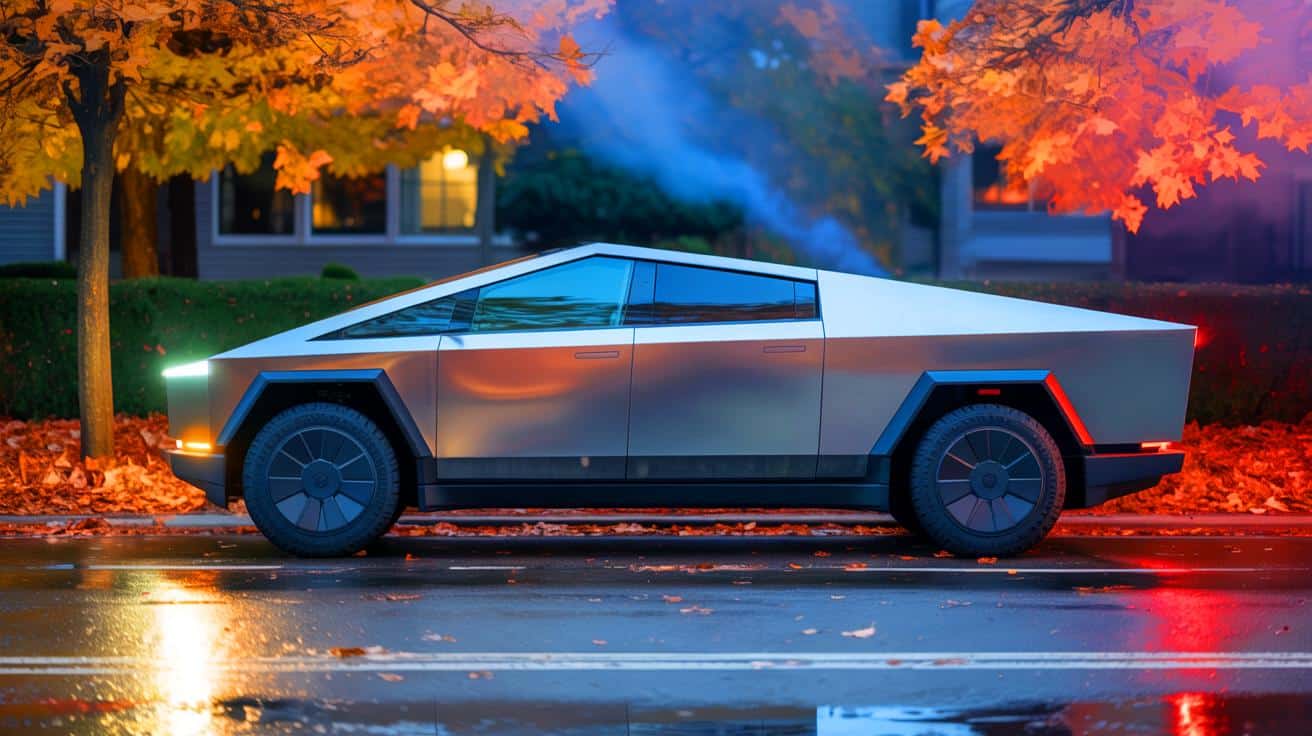
This incident has once again put the spotlight on Tesla's technological innovations and their implications for safety. The Cybertruck's door handles, which sit flush with the car's body, are part of Tesla's push for sleek, futuristic designs. However, in emergencies, when power is cut, these handles can become inaccessible, trapping passengers inside. This design flaw has been highlighted as a critical factor in the Piedmont crash.
Despite Tesla's reputation for high safety ratings in crash tests, the reliance on electronic systems for basic functions like door operation has raised significant concerns. The incident has prompted calls for reevaluation of vehicle designs that prioritize aesthetics over practical safety measures. The broader automotive industry may need to reassess how emerging technologies are integrated into vehicles to ensure passenger safety.
Implications for Tesla and the Auto Industry
The lawsuits and investigations following the Cybertruck crash have significant implications for Tesla and the broader auto industry. Tesla has faced multiple lawsuits related to its vehicles, often opting to settle out of court. This approach may not suffice as scrutiny intensifies over design choices that could compromise safety. The outcome of these legal battles could influence future regulatory standards and impact Tesla's reputation.
Moreover, the incident has implications for the industry as a whole, highlighting the need for robust safety measures in vehicles reliant on electronic systems. The balance between technological innovation and safety is crucial, and this case underscores the importance of ensuring that cutting-edge designs do not come at the expense of passenger safety. It raises questions about the future direction of automotive technology and the responsibilities of manufacturers in safeguarding lives.
As the lawsuits progress, attention will focus on Tesla's response and potential changes in vehicle design and safety protocols. The tragedy serves as a reminder of the importance of safety in automotive innovation. How will the auto industry address the challenges posed by increasingly complex technologies to ensure passenger safety remains a top priority?