


“Tesla Hacker Exposes $35,000 Nightmare”: Stripped Model Y Missing Tire Sensors While Elon Cuts Everything To Hit Impossible Price
 By
Graham Pettigrew
By
Graham Pettigrew
| IN A NUTSHELL |
|
The anticipation surrounding Tesla’s affordable Model Y SUV has been building for over a year, culminating in its 2025 reveal as a stripped-down version of the popular electric vehicle. However, specific details about what makes this model more affordable have remained elusive until now. A hacker known for decoding Tesla firmware has unveiled a series of compromises made to achieve a lower price point. These revelations provide a deeper understanding of the trade-offs Tesla is making to offer a more budget-friendly option. As the electric vehicle market continues to evolve, these insights offer a glimpse into how manufacturers balance cost with features.
Tesla’s Affordable Model Y: What’s Missing?
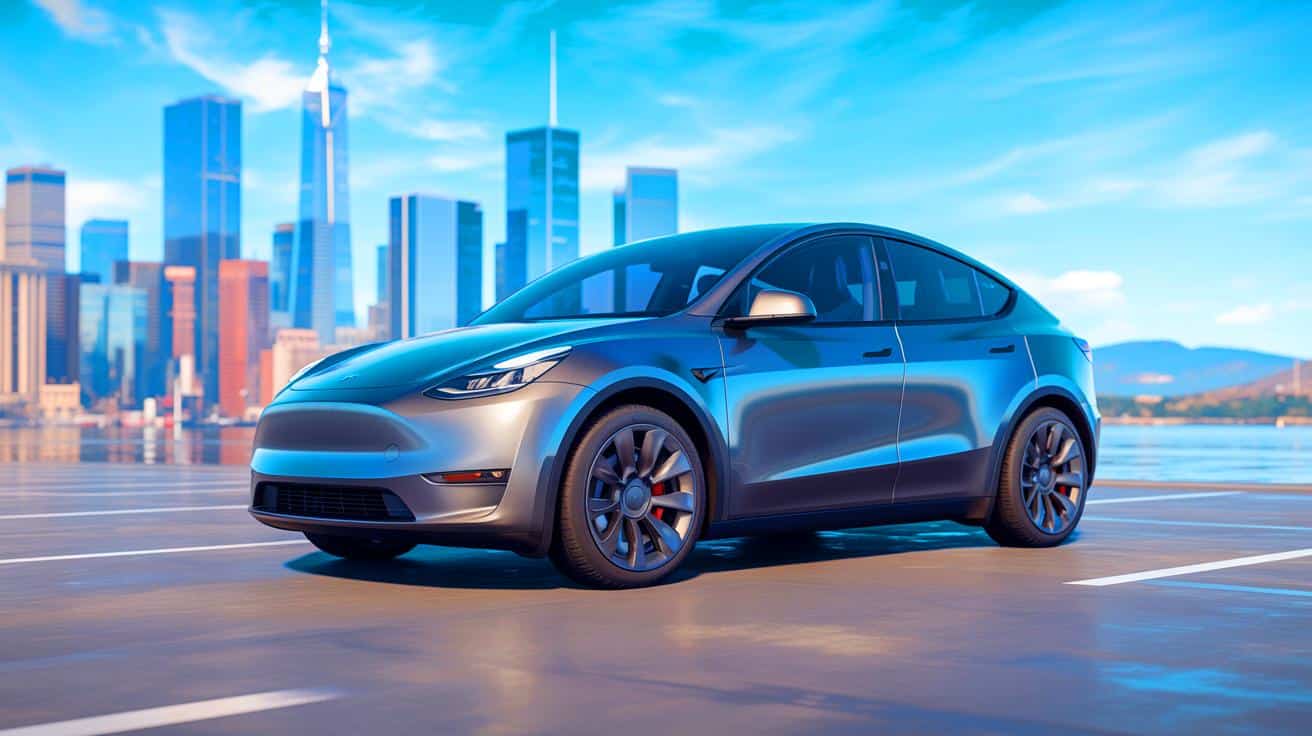
In an effort to make the Model Y more accessible to consumers, Tesla has made significant sacrifices in terms of features and components. The hacker, known as “greentheonly,” has identified the new budget-friendly Model Y as the “E41.” Among the most notable changes are the simplified 18-inch wheels paired with a downgraded suspension system. While these modifications may affect performance, they also contribute to cost savings, allowing Tesla to offer a more affordable starting price.
Further exterior downgrades include the removal of luxury features such as the glass roof, puddle lamps, and power folding mirrors. These omissions are part of Tesla’s strategy to streamline production and reduce costs. Additionally, the backup camera will lack a heater, potentially impacting its functionality in colder climates. Despite these reductions, Tesla aims to maintain the core appeal of the Model Y by focusing on its essential characteristics and electric performance.
Interior Trade-Offs: Simplifying the Experience
The interior of the affordable Model Y also undergoes significant simplifications. The audio system, for instance, is described as "essential" and "essential with commodity," though specifics remain unclear. This suggests a more basic sound system, which helps in cutting down expenses. Furthermore, the center console will lack the "air wave" feature, likely resulting in reduced airflow control for second-row passengers.
Additional interior changes include a simplified fiberglass headliner, limited to footwell lighting, and seats with only single-axis control. These adjustments indicate a focus on essential functionality over luxury. While these changes may alter the driving experience, they are vital in achieving a more competitive price point, making the Model Y accessible to a broader audience.
“$15,000 Down the Drain”: Tesla Customers Furious as Full Self-Driving Remains Stuck at Level 2
Regulatory Challenges: Tire Pressure Monitoring
One of the more surprising revelations from the firmware hack is the absence of a traditional tire pressure monitoring system (TPMS). This is a legal requirement for all vehicles sold in the U.S. since 2007, under the FMVSS Rule 138 and the TREAD Act of 2000. Tesla may opt for an indirect TPMS, which relies on wheel-speed sensors rather than direct pressure readings.
While this approach is not unprecedented, it does have its disadvantages. Indirect systems can be less accurate, particularly if tires of varying sizes are installed. This decision highlights the balance Tesla must strike between adhering to regulatory standards and minimizing costs. It remains to be seen how the company will address potential challenges posed by this unconventional TPMS approach.
Supercar maintenance: Tips for keeping your ride in top shape
Pricing Aspirations: Aiming for Affordability
The ultimate goal of these modifications is to reduce the Model Y's price significantly. Currently, the most affordable version of the Model Y, the Long Range RWD, starts at $44,990. By removing various features, Tesla hopes to lower the price by nearly $10,000, achieving the target MSRP of $35,000. This price point would position the Model Y as a more viable option for budget-conscious consumers interested in electric vehicles.
However, the success of this strategy depends on consumer reception. The recent discontinuation of the cheapest version of the Cybertruck due to low sales underscores the importance of market demand. The Model Y, with its more conventional design and smaller size, could appeal to a wider audience, enhancing its prospects in the competitive electric vehicle market.
As Tesla ventures into the realm of affordable electric vehicles, the trade-offs in the new Model Y highlight the complexities of balancing cost and features. The stripped-down version represents a strategic move to attract a broader customer base. Yet, it also raises questions about how much consumers are willing to compromise on features for the sake of affordability. Will this approach redefine the landscape for budget-friendly electric vehicles, or will it face challenges in meeting consumer expectations?