
“Tesla Robot Nearly Killed Worker”: Massive Arm Drops 8,000 Pound Weight While Technician Sues For $51 Million In Factory Nightmare
 By
Avi Cohen
By
Avi Cohen
| IN A NUTSHELL |
|
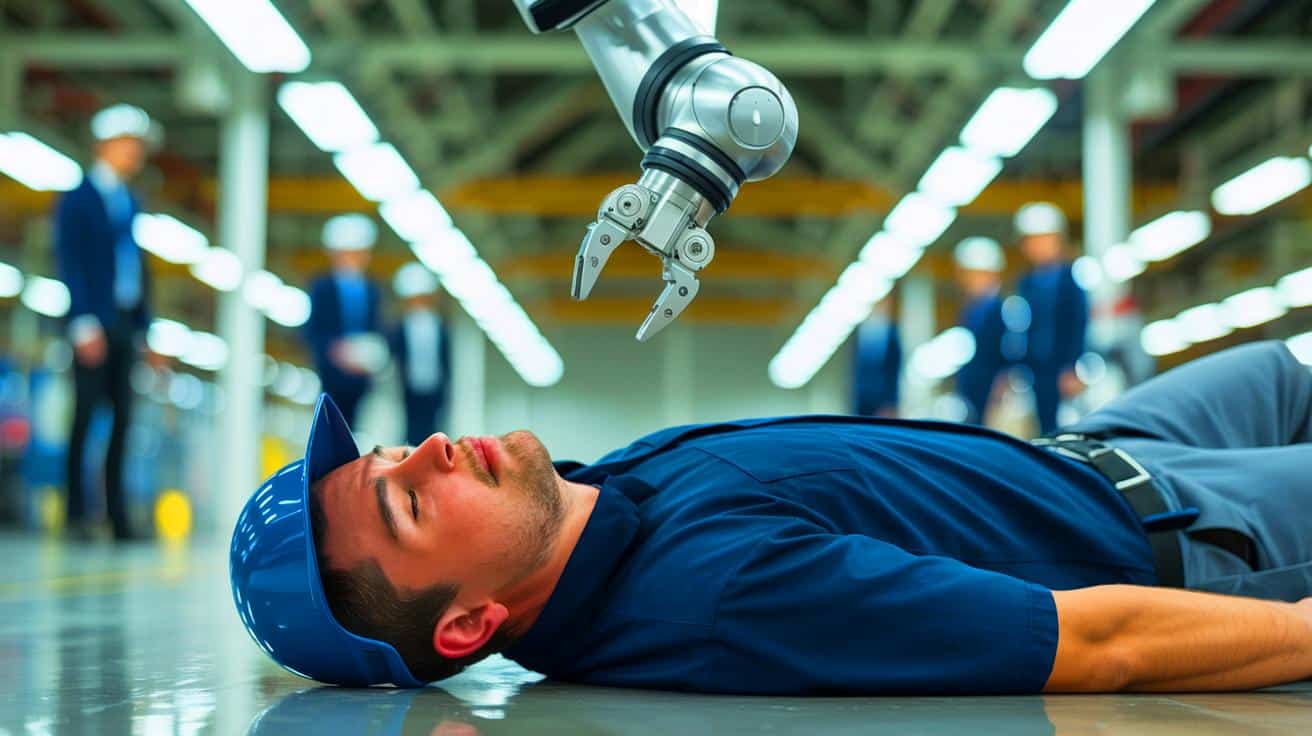
An incident at Tesla’s Fremont, California, plant has sparked a high-profile lawsuit involving robotics technician Peter Hinterdobler. Allegedly struck and knocked unconscious by a massive robotic arm, Hinterdobler is now pursuing legal action against Tesla and the robotics manufacturer FANUC. The lawsuit claims negligence on the part of Tesla, highlighting ongoing concerns over safety and working conditions at the electric vehicle giant’s facilities. This case is one of several recent safety-related incidents that have put Tesla under scrutiny, raising questions about the company’s commitment to its workforce’s well-being.
Details of the Incident
The incident occurred on July 22, 2023, when Hinterdobler was assisting a colleague with the disassembly of a robot’s motor. According to the civil complaint, the robotic arm suddenly released an 8,000-pound counterbalance weight without warning. This unexpected release caused significant injuries to Hinterdobler, resulting in his lawsuit against Tesla and FANUC. The complaint accuses Tesla of failing to ensure the robot was safely de-energized and secured, which Hinterdobler’s legal team argues directly led to the accident.
Hinterdobler is seeking $51 million in damages, which includes $20 million for pain and suffering, and $10 million for emotional distress. This significant financial demand underscores the severity of the injuries and the impact they have had on his life. The lawsuit is another addition to Tesla’s growing list of legal challenges related to workplace safety and operational procedures.
Broader Safety Concerns at Tesla
This lawsuit is not an isolated incident. Tesla has faced multiple accusations and legal challenges regarding safety at its facilities. The Fremont factory, in particular, has been the focus of several allegations, including claims of rampant racism and inadequate safety measures. Earlier in the year, Tesla was fined for violating California’s workplace heat protection rules, illustrating ongoing concerns about the company’s safety protocols.
Reports have surfaced of various dangerous incidents at Tesla plants, including a worker allegedly being clawed by a robot at the Gigafactory in Austin, Texas, and another employee pinned inside a Model Y vehicle at the Fremont factory. Such incidents have led to investigations and fines from regulatory bodies, further intensifying scrutiny on Tesla's operational safety.
Previous Incidents and Legal Challenges
Hinterdobler's lawsuit adds to a troubling history of workplace incidents at Tesla. In 2021, a worker was injured by a robot at the Austin Gigafactory, leaving a trail of blood on the factory floor. Similarly, the California Division of Occupational Safety and Health cited Tesla for safety violations after an employee was injured in a Model Y vehicle incident.
In another case, a worker was hospitalized with a broken jaw after being struck by a piece of equipment at the Fremont plant. Adding to these concerns was an incident where a man collapsed and died on the powertrain line in 2022. These incidents reflect ongoing challenges Tesla faces in maintaining safe working conditions and highlight the potential risks associated with their advanced manufacturing processes.
Supercar maintenance: Tips for keeping your ride in top shape
The Response and Future Implications
Tesla and FANUC have yet to respond publicly to Hinterdobler's allegations. The lack of immediate response may further fuel criticism and concern over how the company addresses safety issues. Tesla's operations, known for cutting-edge technology and rapid innovation, face the challenge of balancing productivity with employee safety.
The outcome of this lawsuit could have significant implications for Tesla and the broader automotive industry. It highlights the potential pitfalls of advanced automation and the importance of rigorous safety standards. As the case unfolds, it may prompt other companies to re-evaluate their safety protocols and regulatory compliance measures, potentially leading to industry-wide changes.
The ongoing legal battle raises critical questions about the future of automation in manufacturing and the responsibilities companies have in ensuring employee safety. How will Tesla and similar companies balance innovation and worker protection in an increasingly automated world?