
“Tesla Drivers Are The Most Dangerous”: Model Y Kills 4 Times More People While Autopilot Technology Creates Overconfident Speed Demons Forever
 By
Owen Fairbrother
By
Owen Fairbrother
| IN A NUTSHELL |
|
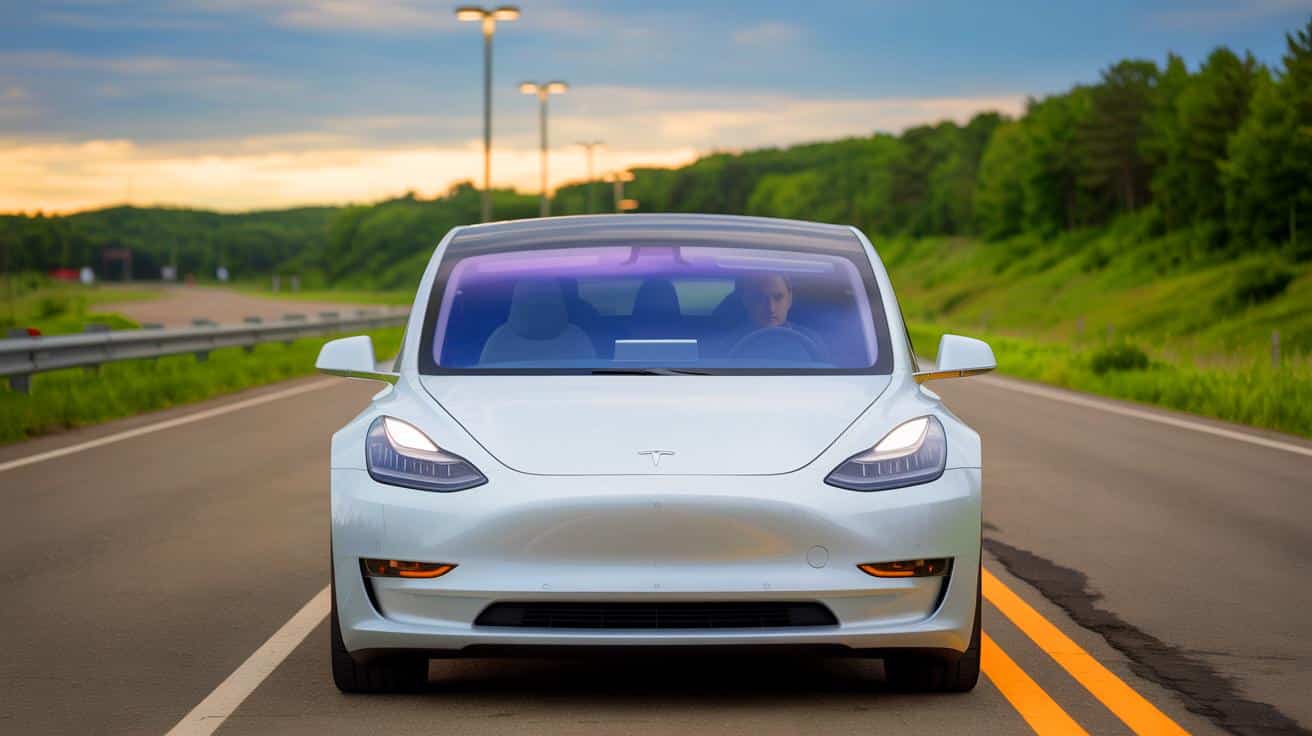
Despite the advanced features embedded in Tesla vehicles, the recent data from the National Highway Traffic Safety Administration (NHTSA) indicates that these cars might not be as safe as their technological sophistication suggests. Tesla, known for its autopilot capabilities, is under scrutiny after recent studies highlighted a concerning trend: a higher rate of serious and fatal accidents compared to other brands. The juxtaposition of cutting-edge technology with higher accident rates raises questions about the interaction between human drivers and autonomous driving systems in Tesla vehicles.
Tesla: The Most Dangerous Car Brand in the U.S.?
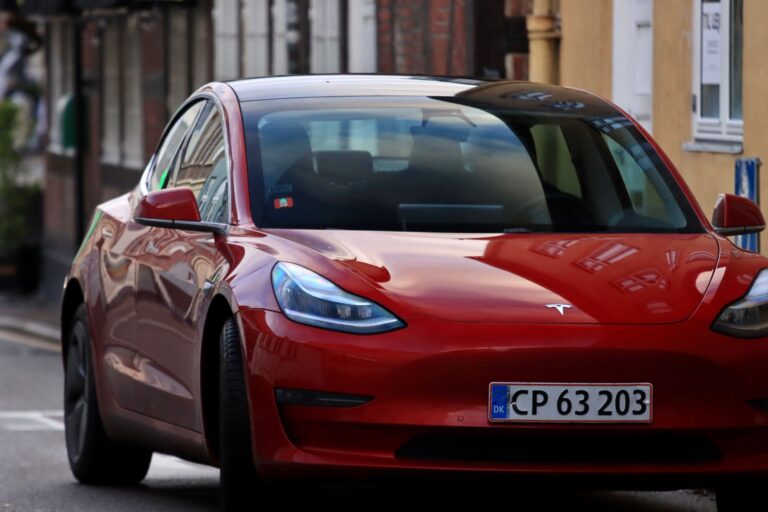
Recent analysis by iSeeCars has illuminated a startling reality: Tesla vehicles exhibit a death rate of approximately 5.6 fatalities per billion miles driven. This figure is double the national U.S. average of 2.8. Other brands like Kia, Buick, Dodge, and Hyundai also show elevated rates, but none match Tesla’s figures. The Model Y, Tesla’s bestselling vehicle in the U.S., is particularly concerning, with a mortality rate estimated to be four times higher than the average of other vehicles studied.
Moreover, a 2025 study by LendingTree identified Tesla as the brand with the most accident-prone drivers, reporting about 26.7 accidents per 1,000 drivers. These statistics raise significant questions about the safety of Tesla vehicles and the driving behavior of their owners. The intersection of high-performance capabilities and autonomous driving features might contribute to this alarming trend.
Driver Behavior Versus Vehicle Technology
It is easy to blame Tesla's Autopilot system for these statistics, yet experts urge a more nuanced view. LendingTree highlights the role of speed, noting that even the most affordable Tesla Model 3 can accelerate from 0 to 60 mph in 5.8 seconds. More advanced versions achieve this in as little as 4.2 or even 3.1 seconds. Such performance may entice drivers to push boundaries, potentially leading to reckless behavior.
According to iSeeCars, an over-reliance on advanced technology might actually increase risks. While modern vehicles are inherently safer due to technological advancements, distractions and excessive speeds can negate these benefits. Drivers might overestimate their safety due to electronic aids, leading to more aggressive driving styles. This false sense of security, compounded by the temptation to engage Autopilot and disengage from active driving, contributes to the rising accident rates.
The Visibility Paradox
Tesla vehicles, paradoxically, perform exceptionally well in crash tests. The Model S, Model 3, Model X, and Model Y have achieved some of the lowest probabilities of injury ever recorded by the NHTSA’s crash-test program. Despite these accolades, passive safety features like airbags cannot compensate for poor driving habits or misuse of technology.
Moreover, Tesla’s high-profile nature means that accidents involving their vehicles receive more media attention than incidents with other brands. This visibility contributes to the perception of Tesla as a risky choice. Nonetheless, the studies consistently point to a shared conclusion: the danger is not solely inherent in Tesla cars but also involves driver behavior.
Balancing Technology and Responsibility
The ongoing debate about Tesla’s safety highlights a critical issue: the interplay between technology and human responsibility. Tesla’s advanced features, designed to enhance safety, might inadvertently lead to complacency among drivers. The expectation that technology can replace vigilance is a dangerous misconception. While Tesla's Autopilot can assist, it cannot replace the human element of driving.
As Tesla continues to innovate, it is crucial to address these behavioral factors. Education and awareness about the limitations of autonomous systems are essential. Drivers must remain engaged, aware, and responsible, recognizing that technology is a tool to aid, not replace, human judgment.
The discourse surrounding Tesla’s safety is far from settled. As technology evolves, so too must our understanding of its impact on driving behavior. With these challenges in mind, one question remains: How can we better balance technological advancement with driver accountability to ensure safer roads for everyone?