


“They Just Built a Factory the Size of a City”: China’s BYD Is Taking on Tesla With a Million EVs a Year (and Elon Musk Is Watching)
 By
Avi Cohen
By
Avi Cohen
| IN A NUTSHELL |
|
In the heart of China’s Henan province, a groundbreaking development is unfolding that could redefine the electric vehicle (EV) industry. Build Your Dreams (BYD), China’s largest EV manufacturer, is embarking on an ambitious project that aims to establish not just one, but ten gigafactories. This bold move is poised to challenge the status quo and potentially outpace Tesla’s existing Gigafactory. As BYD sets its sights on transforming the mobility landscape, industry leaders, including Elon Musk, are likely watching closely. The implications of BYD’s ventures extend far beyond China, signaling a shift that could ripple across the global automotive market.
A Larger Than Expected Megafactory in Zhengzhou
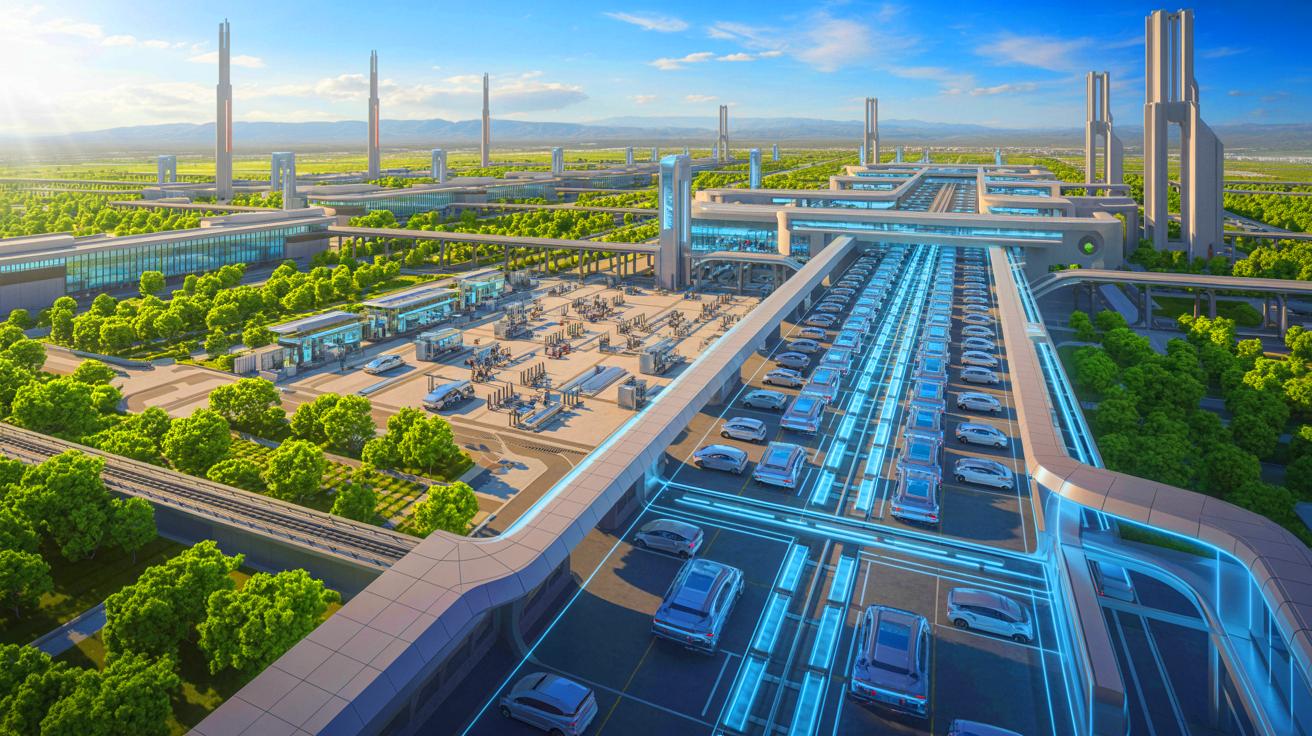
BYD’s latest undertaking in Zhengzhou is not merely a factory; it is an ambitious megafactory that resembles a city in its own right. The facility, which some have dubbed a “terafactory,” is designed to include medical centers, shopping areas, a stadium, and worker dormitories. This concept of a self-sustaining industrial ecosystem is a testament to BYD’s innovation-driven approach. The factory is expected to produce one million EVs annually, positioning it as a formidable player in the EV sector.
Since its launch in 2023, the megafactory has employed over 60,000 workers, with plans to increase this number significantly. The scale of the project is monumental, with eight construction phases required to realize its full potential. BYD’s facility dwarfs Tesla’s Gigafactory in Nevada, which spans around 4.5 square miles. The expansive nature of BYD’s factory not only emphasizes its production capabilities but also underscores its commitment to creating a comprehensive industrial hub.
Tesla’s Elon Musk Should Seriously Be Watching BYD
BYD’s approach to manufacturing is distinct from Tesla’s model, primarily due to its focus on vertical integration and human capital. By managing production in-house at Zhengzhou, BYD significantly reduces costs, allowing it to offer competitive prices that challenge Tesla’s market position. In 2024, BYD sold approximately 4.25 million EVs, a testament to its growing influence in the industry.
The scale of BYD’s operations facilitates experimentation with hyper-localized logistics and a people-centered city model. This strategy not only enhances operational efficiency but also aligns with the company’s vision of creating a sustainable urban environment. Moreover, BYD’s expansion into Europe, with plans to produce 200,000 cars annually from its headquarters in Szeged, Hungary, signals its intention to compete on a global scale. This expansion poses a direct challenge to Tesla’s dominance, urging the company to stay vigilant.
Looking Towards the Terafactory With BYD
The human-centric design of BYD’s factory site is a key differentiator. Many workers reside on-site, blurring the lines between a factory and an urban environment. By offering free accommodation and fostering a supportive work culture, BYD prioritizes employee satisfaction and well-being. This approach not only enhances productivity but also strengthens the company’s reputation as an employer of choice.
However, BYD is not solely focused on current EV models. The company is actively exploring new designs and production methods that could shape the future of the industry. Its commitment to innovation is evident in its efforts to dominate the global EV market and introduce a unique factory model. As BYD continues to make strides, it poses a significant challenge to Western automakers, particularly Tesla.
The Global Implications of BYD’s Ambitious Vision
BYD’s expansive plans reflect its determination to reshape the automotive landscape. With its sights set on the American market, the company is poised to challenge Tesla’s stronghold. The potential success of China’s megafactory could lead to the production of a million cars annually, marking a significant milestone in the industry.
The implications of BYD’s endeavors are far-reaching. As the company continues to innovate and expand, it could redefine manufacturing standards and influence global market dynamics. The automotive world is on the cusp of transformation, and BYD’s initiatives may very well be at the forefront of this change. With Elon Musk likely keeping a close watch, the industry awaits to see how this competition will unfold.
As BYD progresses with its ambitious projects, the question remains: how will these developments impact the global automotive industry? The potential for innovation and change is immense, and the world will be watching to see how BYD’s vision shapes the future of mobility.