

Volkswagen CEO Slams Pop-Up Door Handles: ‘A Nightmare to Use
 By
Renée Castellano
By
Renée Castellano
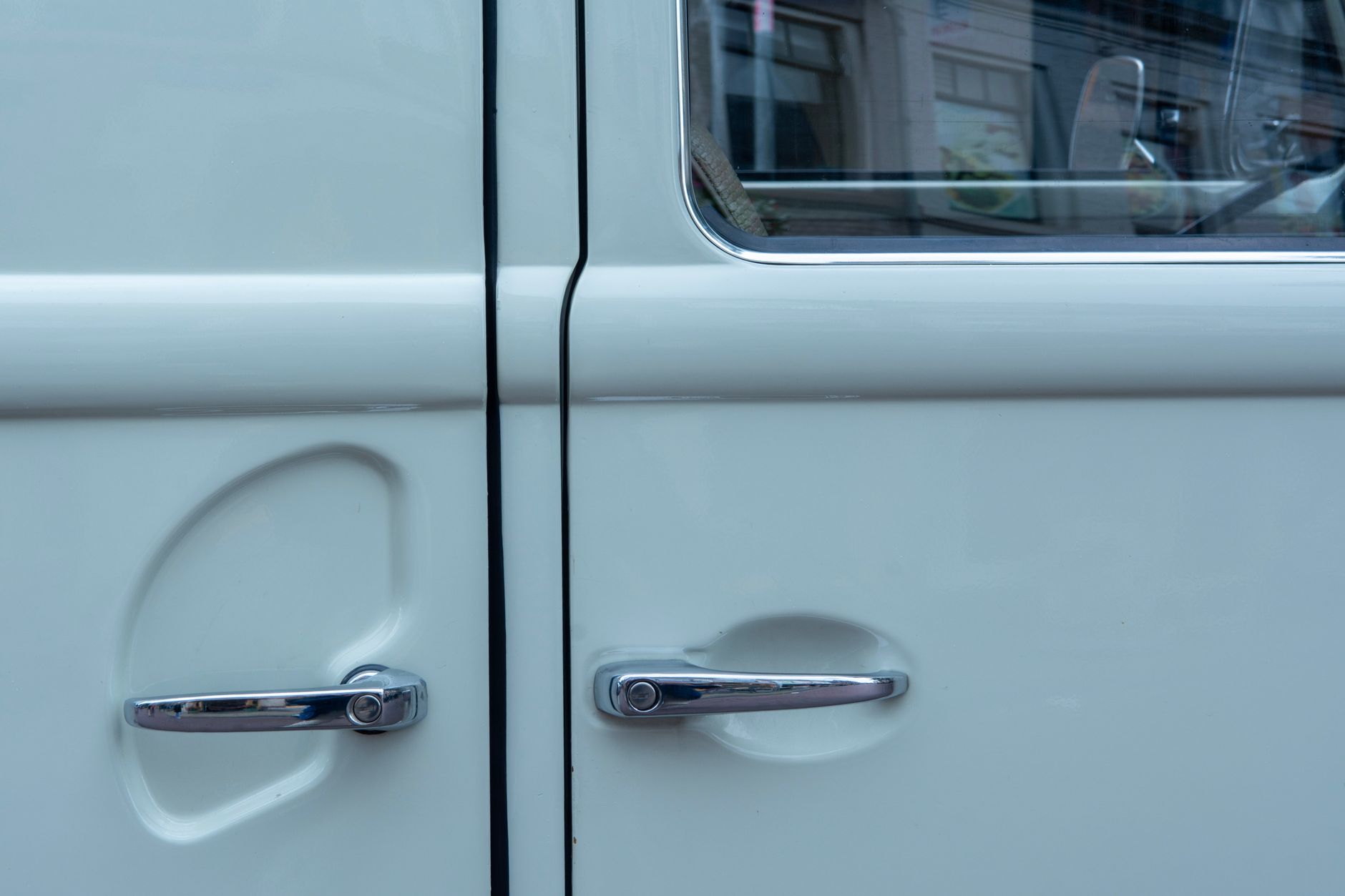
In the bustling halls of Munich’s IAA Mobility Show, the air was thick with anticipation and candid revelations. Volkswagen’s CEO Thomas Schäfer turned heads (not by unveiling some high-tech innovation, but by faulting a recent automotive trend: pop-up, flush door handles. He confessed that, while these handles may fit a futuristic aesthetic, they have become a nightmare for everyday users, echoing widespread frustration among drivers navigating over-engineered solutions in their cars. This open admission follows a series of recalls and production halts, putting Volkswagen’s recent design choices under the microscope) at a time when rivals like Audi, Tesla, BMW, and Mercedes-Benz continue to experiment with increasingly complex interfaces. As consumer voices grow louder, and regulatory winds shift, the debate swirls: are carmakers truly listening to the drivers who keep their wheels turning?
Volkswagen’s Battle with Pop-Up Door Handles: User Experience and Design Challenges
It started innocently enough, sleek, minimal exteriors, flush door handles promising aerodynamic gains and a dash of sci-fi allure. Volkswagen, following the likes of Tesla and Mercedes-Benz, integrated these modern handles into models like the ID.4 and ID.7, aiming to boost range and look sharp among competitors such as BMW and Hyundai. Yet beneath the polished surface, trouble brewed.
Schäfer’s blunt assessment at the IAA Mobility Show was a reaction to mounting customer complaints: pop-up handles, intended for convenience, were “terrible to operate.” It wasn’t just an aesthetic issue; reports, including the J.D. Power 2023 U.S. Initial Quality Study, had flagged these handles among the most frequent downsides for new car buyers. The story took a darker turn as rains hit, and nearly 100,000 units of the ID.4 were recalled due to water infiltration, compromising the electronic release and, at times, causing doors to spring open unexpectedly. The production line in Chattanooga, celebrated just months earlier, came to a sudden halt.
| Model | Pop-Up Handle? | Reported Issues | Recall/Action |
|---|---|---|---|
| Volkswagen ID.4 | Yes | Water intrusion, doors unlatch while driving | Recall, production pause |
| Volkswagen ID.7 | Yes | Complex operation, reliability concerns | Pending improvements |
| Tesla Model S | Yes | Winter issues, stuck handles | Software updates |
| BMW i4 | Yes (partial) | User adaptation, durability | Design review |
Echoes of past missteps (like ill-illuminated touch sliders replacing climate controls) haunted the corridors of Wolfsburg headquarters. Was this the cost of relentless innovation, or a signal to slow down and listen to the driver’s voice?
Regulatory Pressures and Market Feedback: Is Simplicity Set for a Comeback?
While brands from Ford to Porsche chase efficiency through design tweaks, the most powerful force shaping the next generation of vehicles may well be customer feedback and looming regulation. In China (where Toyota and Kia fiercely contest electric car supremacy) rumors swirl that authorities might ban fully concealed door handles unless they include an emergency mechanical backup. The world’s largest car market often dictates global trends, nudging automakers toward pragmatism over panache.
Inside Volkswagen, the message has been heard: “We give the people what they’re requesting,” Schäfer emphasized. Analysts believe that the ID. Every1 concept, first shown with pop-out handles, will revert to traditional hardware by the time it enters production. The upcoming ID.2 Polo could point the way forward, showing that customer experience and reliability are swinging the pendulum back toward tried-and-tested solutions, echoing the likes of Ford’s robust trucks or Toyota’s no-nonsense approach.
The story traces a broader saga: how aesthetics and engineering ambitions collide, and whether automakers like Volkswagen or luxury stalwarts such as Mercedes-Benz and Porsche can strike the right balance between innovation and usability.
What’s Next for Door Handle Design? Lessons for the Auto Industry
The flush handle phenomenon was never just about looks. Hidden handles promised improved drag coefficients, especially valuable for EVs where every mile of extra range counts. That’s why not only Volkswagen, but also Hyundai, Audi, and Tesla, jumped at the trend. And yet, as real-world hassles mounted, car owners, dealers, and journalists asked the question that’s now on everyone’s lips: is it worth it?
With electronic components susceptible to water, cold, and malfunction, the allure of minimalism has encountered a formidable obstacle: the demands of everyday practicality. Just as BMW and Ford quietly reconsider their own handle solutions, Volkswagen’s shift signals a return to form, accepting slight aerodynamic trade-offs in favor of foolproof operation. At the heart of this shift lies a lesson: progress can be measured not just in technology, but in trust earned every time a driver steps into their car.
| Brand | Flush Handle Approach | Notable Issues | Customer Response |
|---|---|---|---|
| Volkswagen | Phasing out, reverting to classic | Water damage, recalls | Mixed, now positive after CEO’s announcement |
| Tesla | Maintaining for range | Handles freeze in cold, motor faults | Divisive, tech-savvy buyers adapt |
| Mercedes-Benz | Refined pop-out design | Complexity, repair costs | Neutral, premium focus |
| Kia/Hyundai | Semi-flush, backup lever | Fewer reliability complaints | Generally favorable |
The future now seems weighted toward robust, user-friendly basics, reminding even icons like Porsche and Audi that sometimes, the best solution is the one that works every time you reach for it. The days of buyers tolerating finicky, untested features may be ending, and with it, a new era where the voice of the customer reigns supreme.
FAQ
Why did Volkswagen recall so many ID.4 models?
The recall was prompted by a design flaw: water could get inside the pop-up handle mechanism, shorting electronic circuits and causing the doors to open unexpectedly, even while driving.
Are pop-up door handles really that widespread in the auto industry?
Yes, they became common on electric and luxury vehicles from brands like Tesla, BMW, Mercedes-Benz, and Volkswagen, primarily for aerodynamic gains and visual appeal.
What are the main drawbacks of flush or pop-up door handles?
Common issues include malfunction in extreme weather, water intrusion, and user frustration due to complex operation. Reliability concerns have led to product recalls and design revisions across multiple brands.
Will carmakers return to traditional door handle designs?
A shift back to classic, mechanical handles is already underway, especially at Volkswagen, as feedback and regulatory risks outweigh marginal efficiency benefits. Other brands may follow suit if customer demand stays strong.
How do competitors like Toyota, Ford, and Kia approach the issue?
Toyota and Ford typically favor robust, simple solutions, while Kia and Hyundai offer semi-flush handles backed by mechanical failsafes, aiming for a compromise between innovation and reliability.