

1992 Family Sedan Comparison Test Reveals Surprising Changes in Design and Comfort, Impacting American Car Buyers
 By
Avi Cohen
By
Avi Cohen
| IN A NUTSHELL |
|
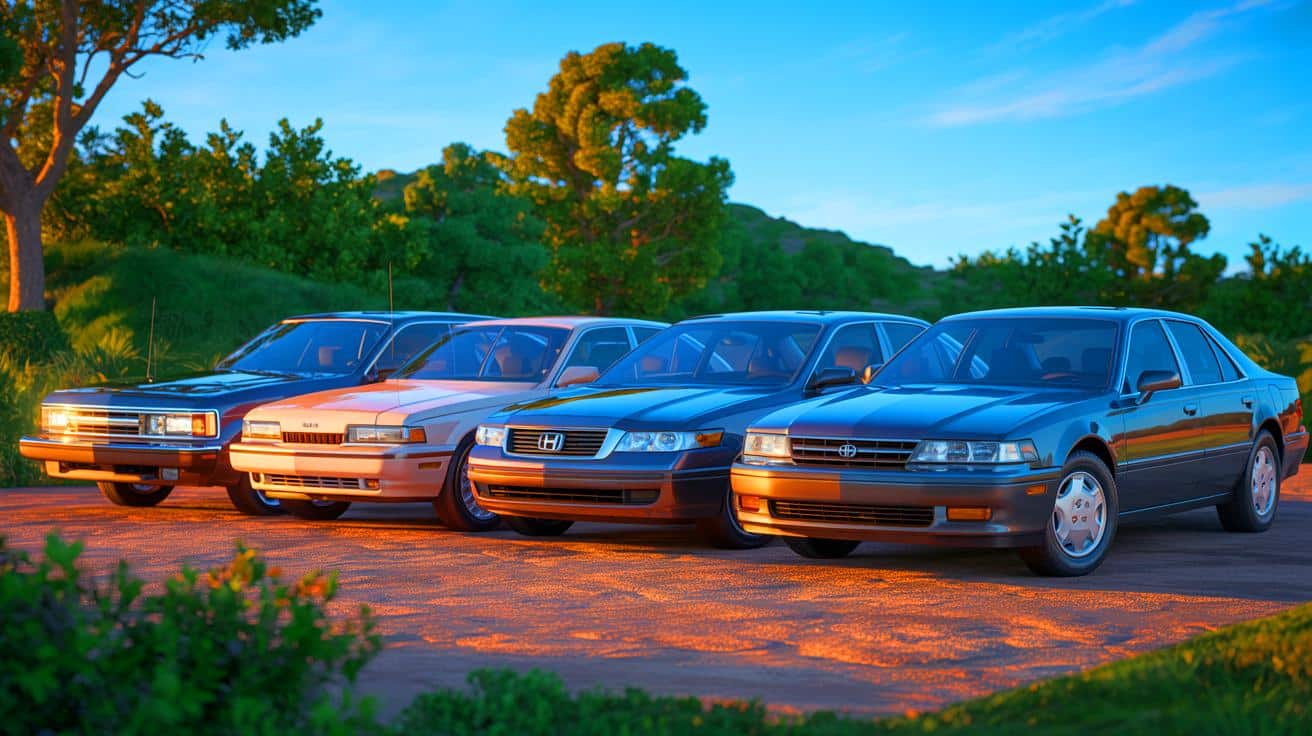
In the early 1990s, the family sedan segment was a battleground for car manufacturers vying for the attention of American consumers. The 1992 Family Sedan Comparison Test featured models from Chevrolet, Honda, Ford, and Toyota, each offering distinctive features and performance capabilities. This period marked a transitional phase in automotive design and technology, with manufacturers incorporating both stylistic elements and emerging safety features. As we examine these vehicles, it becomes evident how they catered to diverse consumer needs and preferences, from performance to interior comforts. This comparison provides insight into the evolving automotive landscape of the early ’90s.
The Chevrolet Lumina: Power and Practicality
The 1992 Chevrolet Lumina Euro attempted to blend European styling with American practicality. Despite its Euro-themed name, the Lumina retained traditional American features like a bench front seat and a column shifter, appealing to consumers who valued comfort and space. Under the hood, the Lumina boasted a V-6 engine, the largest in the comparison, delivering 140 horsepower. This power output made it a strong contender for those prioritizing engine performance and power on the road.
While the Lumina’s performance was notable, its design choices reflected a transitional phase in automotive interiors. The emphasis was on spaciousness and ease of use, rather than the sleek, minimalistic designs that would become popular in later decades. The Lumina’s approach to design and power highlighted Chevrolet’s strategy to cater to a segment of the market that valued tradition and performance in equal measure.
Honda Accord: A Blend of Style and Efficiency
The 1992 Honda Accord LX stood out with its European-inspired design elements, such as a black dashboard and steering wheel. These features gave it a refined look that appealed to consumers seeking both style and substance. The Accord’s 2.2-liter four-cylinder engine produced 125 horsepower, emphasizing efficiency and reliability over sheer power. This made it an attractive option for those prioritizing fuel economy and everyday usability.
The Accord’s design and performance balance showcased Honda’s commitment to innovation and consumer satisfaction. Its blend of style and efficiency resonated with buyers looking for a reliable family car that didn’t compromise on aesthetics. This model reinforced Honda’s reputation for producing vehicles that combined practicality with a touch of elegance.
Ford Taurus: Embracing Safety and Simplicity
The 1992 Ford Taurus L was a base model that prioritized safety and simplicity. It featured crank windows and manual door locks, yet included a driver’s airbag, a significant safety feature at the time. Its 3.0-liter V-6 engine delivered 135 horsepower, offering a balance of power and efficiency. The Taurus catered to families seeking a dependable and straightforward vehicle, emphasizing function over frills.
This model of the Taurus highlighted Ford’s focus on providing essential safety features while maintaining affordability. The inclusion of a driver’s airbag set it apart in a market where such features were not yet standard. The Taurus demonstrated how Ford balanced safety innovations with cost-effective solutions, appealing to budget-conscious consumers who valued reliability and safety.
Volkswagen Unleashes Its Own Epic Gymkhana Video: A Thrilling Ride!
Toyota Camry: A New Standard of Luxury
The 1992 Toyota Camry LE was a newly designed model that quickly impressed with its upscale interior. The Camry’s 2.2-liter four-cylinder engine matched the Ford Taurus’s V-6 in power, both producing 135 horsepower, which highlighted Toyota’s engineering prowess. The Camry’s refined interior and balanced performance made it a favorite among those seeking luxury in a family sedan.
The introduction of this Camry model marked Toyota’s commitment to elevating the standards of comfort and quality in the family sedan segment. Its interior design signaled a shift towards more sophisticated and luxurious vehicular experiences, appealing to consumers who desired a touch of class in their daily commute. Toyota’s approach with the Camry set a precedent for future models, emphasizing that luxury and practicality could coexist.
As we reflect on these 1992 models, it is clear that each manufacturer brought unique strengths to the table. The diverse approaches to design, performance, and safety reveal much about consumer priorities during this era. From the power of the Chevrolet Lumina to the luxury of the Toyota Camry, these vehicles showcase the varied paths manufacturers took to capture the hearts of American buyers. How will today’s automotive innovations shape the vehicles of the future, and what new priorities will emerge in the ever-evolving landscape of car design and technology?