

“Electric Cars Now Beat Ferraris”: Volvo’s 420-Horsepower SUV Destroys Sports Cars While Gas Engines Become Worthless Forever
 By
Renée Castellano
By
Renée Castellano
| IN A NUTSHELL |
|
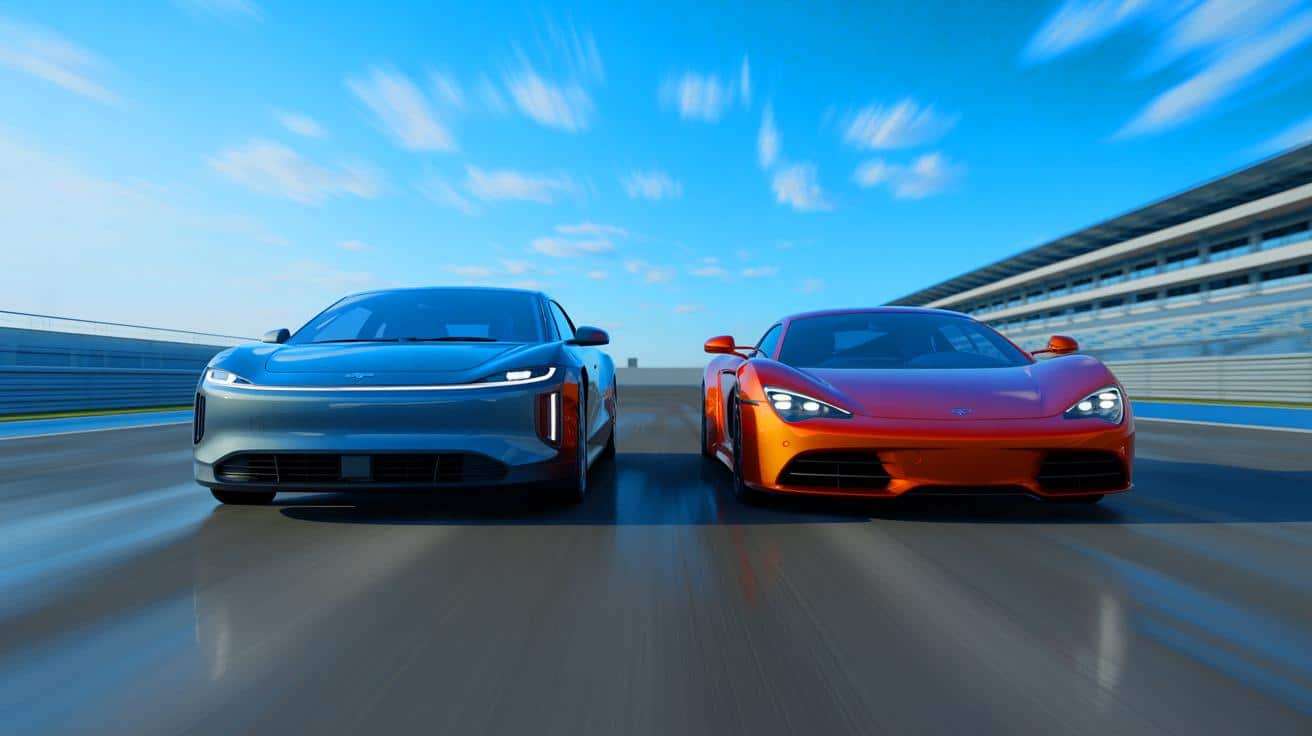
Electric vehicles (EVs), once celebrated primarily for their environmental benefits, are now redefining the automotive performance landscape. A decade ago, the idea of an electric family car rivaling the speed of a high-end sports car would have seemed far-fetched. Today, however, EVs are not only catching up but in some cases surpassing their gasoline-powered counterparts in terms of speed. This shift raises intriguing questions about the future of automotive engineering and consumer preferences. As manufacturers continue to push the boundaries of what these vehicles can do, it is worth exploring whether the push for ever-increasing horsepower is truly necessary or if it simply serves as a marketing tool.
The Rise of High-Performance EVs
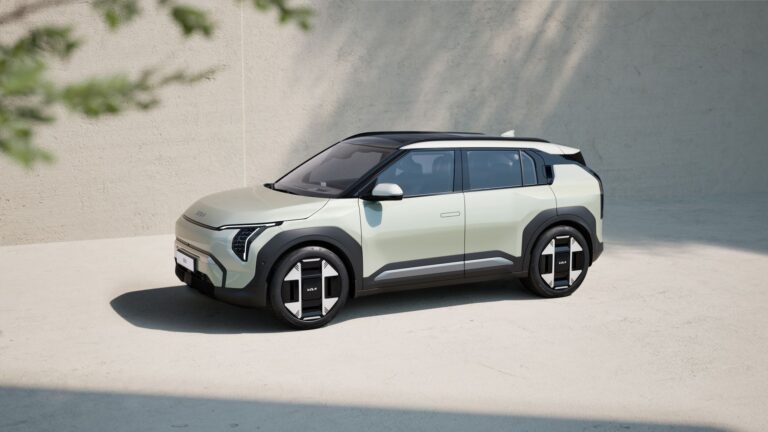
The automotive industry has seen a remarkable transformation with the rise of high-performance EVs. Models like Volvo’s EX30 Twin Motor Performance AWD exemplify this trend. Despite its compact SUV design, it boasts over 420 horsepower and accelerates from 0 to 60 mph in just 3.4 seconds. This performance is comparable to a Ferrari Roma, a gas-powered sports car known for its speed and agility. Such capabilities were once exclusive to exotic sports cars but are now available in more accessible vehicles.
Tesla’s Model S Plaid further underscores this shift by breaking the two-second barrier for 0 to 60 mph acceleration. Other manufacturers, such as Mercedes and BMW, have unveiled electric concepts with horsepower exceeding 1,000. Meanwhile, hypercars like the Rimac Nevera and Lotus Evija have pushed the envelope even further, boasting over 1,900 and 2,000 horsepower, respectively. These figures highlight how EVs have moved from niche bragging rights to becoming a mainstream expectation among consumers.
Supercar maintenance: Tips for keeping your ride in top shape
Is Excessive Power Necessary?
While the technological advancements in EVs are impressive, they also spark debate about necessity and practicality. Critics question whether everyday drivers genuinely require the Ferrari-level speed offered by some of these vehicles. The instant torque and rapid acceleration that EVs provide can be overwhelming, particularly for those with limited driving experience. Additionally, the heavy batteries that enable such power contribute to the vehicles' overall weight, creating new engineering challenges.
Managing the physics of high-speed driving requires more than just powerful motors. Automakers must equip these vehicles with heavier brakes and reinforced suspensions, alongside complex software systems, to ensure safety and control. Ultimately, the ability to outpace a sports car in everyday traffic may offer little beyond bragging rights. While EVs have already proved their environmental benefits, the necessity of merging those benefits with supercar performance remains an open question.
Engineering Challenges and Solutions
The quest for greater power in EVs brings a host of engineering challenges that manufacturers must address. As EVs become capable of extraordinary speeds, ensuring the safety and reliability of these vehicles is paramount. The integration of advanced braking systems and suspension technologies is essential to handle the increased weight and performance demands.
Moreover, sophisticated software systems play a critical role in managing the vehicle's dynamics. These systems help distribute power efficiently, ensuring stability and control, especially during high-speed maneuvers. Engineers must strike a delicate balance between delivering exhilarating performance and maintaining the vehicle's practicality and safety for everyday use. As the industry continues to innovate, the focus will likely shift towards optimizing these elements to enhance the overall driving experience.
Volkswagen Unleashes Its Own Epic Gymkhana Video: A Thrilling Ride!
The Future of EV Performance
As automakers continue to push the limits of EV performance, the future landscape of the automotive industry is poised for further evolution. The trend towards high-performance EVs shows no signs of slowing down, as manufacturers are betting that consumers will be drawn to bigger horsepower numbers. However, this raises questions about the long-term sustainability and practicality of such powerful vehicles.
While the allure of speed and power is undeniable, the automotive industry may need to reassess its priorities. Balancing performance with efficiency and safety will be crucial in ensuring the continued success of EVs. As technology advances, it is possible that new innovations will emerge, offering a more balanced approach to vehicle design. The future of EVs may well depend on how manufacturers navigate these challenges and meet the evolving expectations of consumers.
The rapid advancement of EV technology has undoubtedly transformed the automotive industry, offering consumers an unprecedented combination of speed and sustainability. Yet, as EVs continue to push the boundaries of performance, a critical question arises: will the future of automotive design prioritize power or practicality? As manufacturers grapple with this dilemma, the evolution of consumer preferences will ultimately shape the direction of the industry. How will automakers balance these competing priorities to meet the demands of both speed enthusiasts and everyday drivers?