

“He Turned Down $24M”: Australia Loses Its Only McLaren F1 As Supercar Leaves For UK, Ending A Legendary Chapter In Motoring History
 By
Ethan Kowalczyk
By
Ethan Kowalczyk
| IN A NUTSHELL |
|
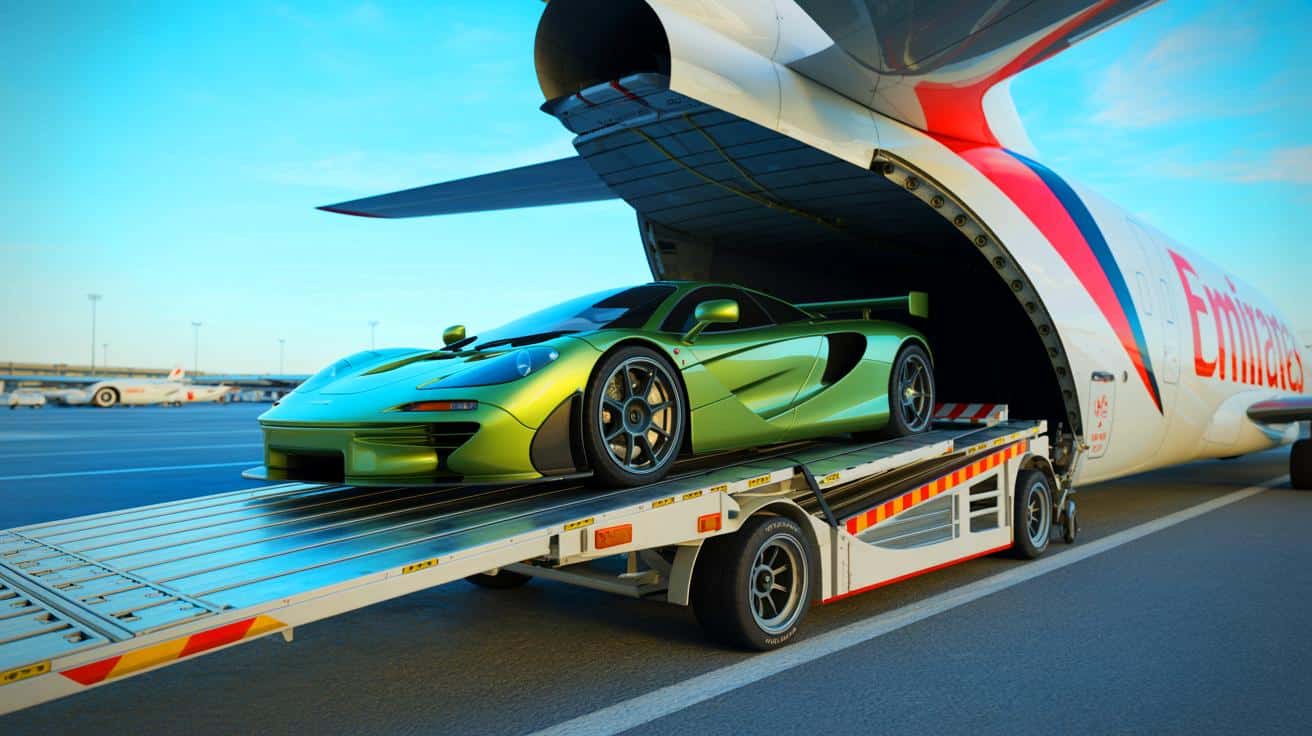
Australia’s automotive landscape has witnessed a significant shift with the departure of its sole McLaren F1. This iconic supercar, known for its rarity and performance, has left the country after failing to find a local buyer willing to meet the $24 million price tag. The car’s journey to the United Kingdom marks the end of a unique chapter in Australian motoring history. The McLaren F1, one of only 64 road models ever produced, was last seen being loaded onto an Emirates flight, bound for a new life under the stewardship of exotic car dealer Tom Hartley Junior. Its absence leaves a noticeable void in the country’s automotive scene.
The Journey of an Iconic Supercar
The McLaren F1, chassis 009, has had a storied history in Australia since its arrival in the 1990s. Originally purchased by Dean Wills, the then-CEO of Coca-Cola Amatil, this supercar was not destined to be just a showpiece. Wills used the car as it was intended, utilizing its BMW V12 engine for personal track days at his private racing facility. The McLaren F1 was designed by Gordon Murray to be the ultimate road car, and Wills ensured it lived up to that vision.
Despite its high-performance credentials, the F1’s time in Australia was not without incident. In 1997, a BMW mechanic’s unauthorized joyride resulted in a significant crash, necessitating a return to McLaren’s headquarters in Woking for repairs. This incident led to a reported $1 million insurance claim and a new, slightly darker grey paint job. Despite these setbacks, the car remained a beloved part of the Australian automotive community.
Changing Hands and Continuing Legacy
After Dean Wills, the McLaren F1 changed ownership multiple times. In 2005, Tony Raftis acquired the vehicle, followed by businessman Barry Fitzgerald in 2006. Fitzgerald became the car's longest-serving custodian, maintaining its status as a frequently seen vehicle on Melbourne roads. Even after a minor incident during a New Zealand driving tour in 2016, the car was swiftly repaired, allowing it to continue its life as a road-going masterpiece rather than a static exhibit.
The McLaren F1's presence in Australia was a testament to its enduring appeal and the dedication of its owners to keep it in operation. Despite the car's high value and limited production run, it was not confined to a garage. Its regular sightings allowed enthusiasts to appreciate a piece of automotive history in motion, emphasizing the car's intended use as a driver-focused machine.
Departure and Impact on Australian Enthusiasts
The departure of the McLaren F1 from Australia underscores the challenges faced by the country's luxury car market. The high asking price and niche demand meant that finding a local buyer was always going to be a difficult task. The decision to move the car to the UK, where it will likely find a new owner more appreciative of its value, reflects the economic realities of the Australian market.
For Australian car enthusiasts, the loss of the McLaren F1 is significant. This car was not just a vehicle but a symbol of engineering excellence and automotive history. Its absence leaves a gap that is unlikely to be filled soon. With only 106 units ever produced, including race cars and prototypes, the McLaren F1 remains one of the most revered supercars globally. Its departure is a poignant reminder of the challenges faced by rare and exotic cars in markets with limited high-end demand.
The Future of Exotic Cars in Australia
The sale of the McLaren F1 raises questions about the future of exotic cars in Australia. As the market for such vehicles becomes increasingly globalized, the ability to retain rare models within the country becomes more challenging. The departure of this supercar may prompt discussions among collectors and enthusiasts about how to maintain Australia's connection to high-performance automotive culture.
While the F1's new chapter begins in the UK, Australian enthusiasts are left to ponder what the future holds for similar vehicles. Will the country's roads ever again see a car of such significance? The loss of the McLaren F1 serves as a reminder of the delicate balance between appreciating these masterpieces locally and the global market forces that often dictate their fate.
The departure of Australia's only McLaren F1 marks a turning point for the country's automotive scene. As this legendary supercar begins its new journey overseas, one must wonder: how can Australia continue to attract and retain such iconic vehicles, ensuring they remain a part of the local motoring heritage?