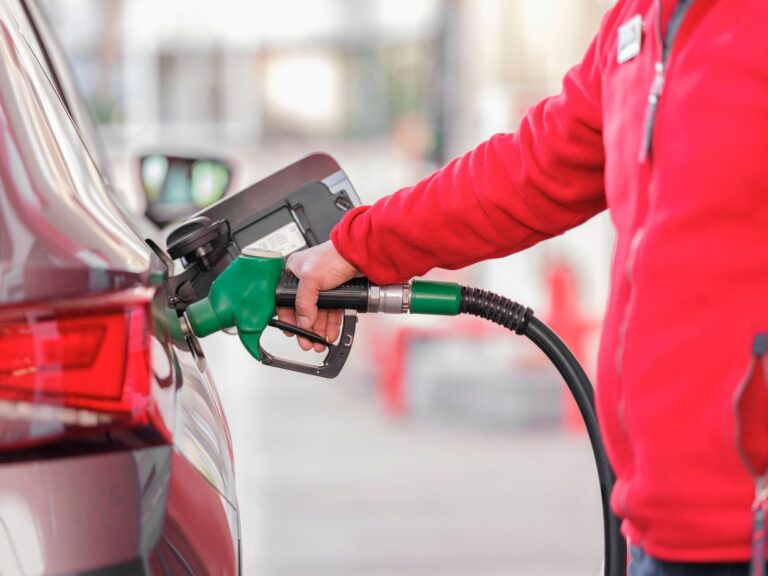

How to prepare your car for winter driving
 By
Ethan Kowalczyk
By
Ethan Kowalczyk
|
IN A NUTSHELL |
|
As winter tightens its grip, equipping your vehicle for cold-weather travel ceases to be optional and becomes a matter of safety. Preparing a car for icy roads and subzero temperatures reduces breakdown risk, shortens emergency response time, and protects occupants (yet too many drivers postpone basic steps such as checking tires, batteries, fluids, and lights. Beyond routine maintenance, membership programs can add a layer of protection: roadside and travel services are administered regionally, with Americas Road & Travel Club handling members in Alaska, Alabama, Utah, and Virginia, and Affinity Road & Travel Club serving members in the remaining states. These organizations offer a range of winter-oriented benefits and services, though specific coverages and limits are defined in the current member materials. Given the higher stakes of winter driving) reduced traction, impaired visibility, and longer emergency response times, proactive preparation, combined with appropriate membership support, presents a compelling strategy for drivers who want to minimize risk and keep moving when conditions worsen.
Tire selection and maintenance
Winter tires are not optional for drivers who expect to navigate snow, slush, or icy roads; they are a performance difference that translates directly to safety. The rubber compound and tread design of a proper winter tire maintain grip when temperatures drop below about 45°F, which is why switching from all-season to dedicated winter tires is a practical investment rather than an indulgence. Failing to equip your vehicle with the appropriate tires is a predictable way to increase stopping distances and loss-of-control events.
Argumentatively, you should reject the cost-minimization logic that postpones tire replacement: the marginal expense of a good set of winter tires or high-quality all-weather alternatives is far lower than the potential cost of an accident or being stranded. Regularly check tire pressure (pressure falls as air cools) and inspect tread depth and sidewalls for cuts or bulges. For commercial and heavy vehicles, maintenance guidance like truck-focused checklists can be useful to adapt to bigger loads and stresses; resources such as the truck maintenance tips at LeftLaneNews help translate those principles to larger rigs and trailers.
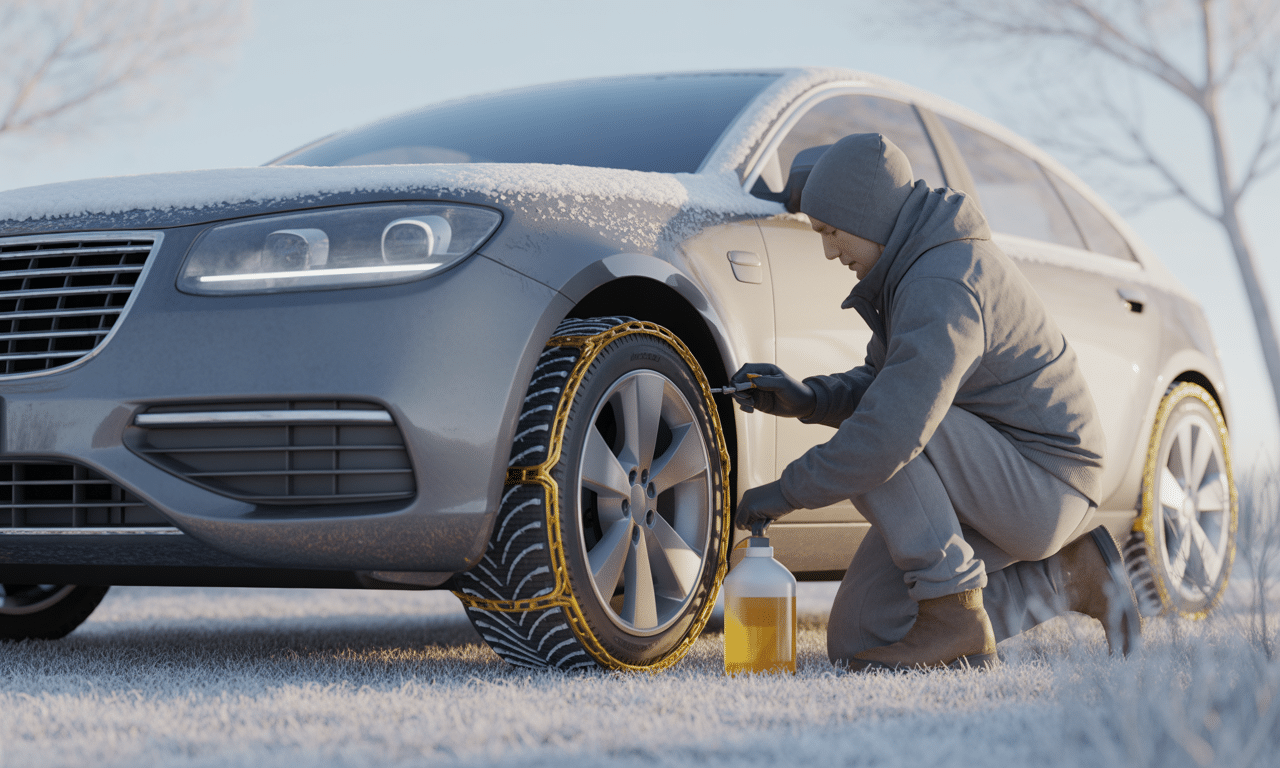
Rotation and alignment matter just as much as compound choice; uneven wear reduces the effective life of a tire and diminishes winter traction. If you drive a high-performance or specialty vehicle, maintenance regimes are stricter, advice for supercar upkeep underscores that meticulous inspections prevent minor issues from becoming major failures in extreme conditions. Changing tires early, monitoring wear, and prioritizing alignment cuts winter risk dramatically. Consider tire chains or cables where legally permitted for deep snow, but treat them as a contingency rather than a substitute for winter-rated rubber.
Finally, evaluate tire selection against your driving patterns. If you spend most winter miles on salted highways, a robust touring winter tire gives longevity and traction; if you face frequent unplowed roads, a more aggressive tread pattern is justified. Check buyer and maintenance guides and local regulations before choosing. Make winter tires a proactive choice, not a reactive one.
Fluids, battery and heating systems
Fluid management is foundational to winter reliability and it’s an area where proactive behavior materially reduces breakdown risk. Antifreeze/coolant must be at the correct concentration for your climate to prevent freezing in the engine block or radiator; replacing old coolant is not optional if it’s past service intervals. Brake fluid absorbs moisture over time and lowers boiling point, replacing or flushing it as recommended preserves braking performance under repeated cold-weather use. The National Highway Traffic Safety Administration provides practical pointers that support a systems-based approach to winter readiness.
Engine oil viscosity deserves an argument: thicker oils that serve well in summer can impair cold starts and oil flow at low temperatures. Refer to manufacturer specifications and consider seasonal oil changes where relevant. Choosing the right viscosity and maintaining fresh filters are simple actions that avoid catastrophic failures in winter. Windshield washer fluid must be a low-freeze formula; a reservoir filled with summer fluid becomes useless the first time temperatures drop below its freeze point, removing a critical safety margin.
Battery health is perhaps the most underrated winter preparation. Cold severely reduces battery cranking capacity while simultaneous higher accessory use (heaters, defrosters) increases demand. Test battery state-of-charge and cold-cranking amps, and replace batteries older than three to five years if tests show reduced performance. The practical guides at HowToGeek and USA Today outline step-by-step winterization checklists that include battery testing and fluid checks, follow them rather than assuming marginal components will hold up.
Heater and defroster systems are not comfort features alone; they are safety systems because they maintain windshield clarity and cabin warmth that enable functional driving. If heat output is weak or vents are clogged, repair before winter. Neglecting fluid and battery care converts manageable inconveniences into roadside emergencies. The argument is straightforward: spend a modest amount on fluid service and battery replacement and you avoid expensive tow bills and rescue situations when temperatures plummet.
Visibility, wipers and lighting
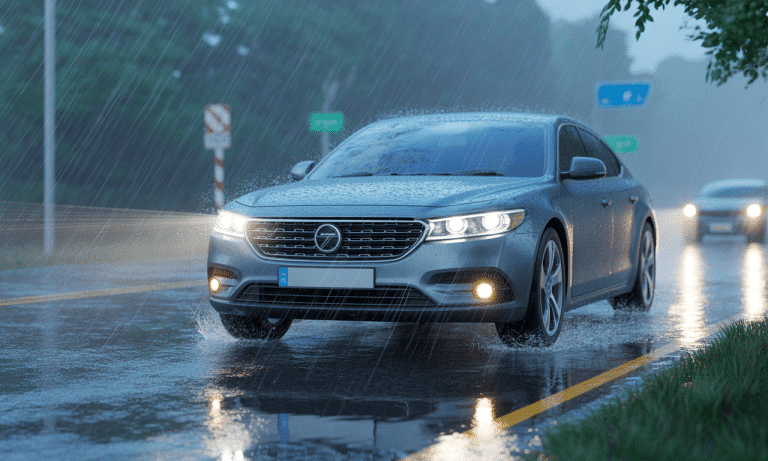
Visibility is the most immediate determinant of safe winter driving, if you cannot see, you cannot respond. Worn blades and low-quality wiper arms turn light snow into a smeared hazard; use winter-rated wiper blades with rubber compounds designed to resist icing. Replace blades at the first sign of streaking and keep a spare pair in the trunk. The AAA extra-mile advice highlights how small maintenance items like blades and washer fluid directly reduce crash risk on winter roads.
Headlights and taillights require the same proactive stance: clean lenses, replace dim bulbs, and consider upgrading to brighter, properly aligned bulbs where legal. Fog and driving lights should be inspected for water intrusion and proper aim. Underpowered or misaligned lighting creates the illusion of visibility while degrading actual detection distances for hazards and other vehicles. The NHTSA winter driving tips recommend ensuring all exterior lights are functional before each trip and clearing snow from lenses and housings during stops.
Windshield coatings, defroster performance, and the integrity of door seals and mirrors contribute to sustained visibility. Keep a dedicated ice scraper and a soft-bristled brush accessible; aggressive tools can damage glass and coatings. The KBB and USA Today winterization guides advise on glazing care and describe how small habits (like clearing snow from the roof before driving) prevent snowfall from sliding down the windshield or obscuring taillights.
| Component | Action | Why it matters |
|---|---|---|
| Wipers | Install winter blades; replace annually | Prevents streaking and ice buildup on windshield |
| Washer fluid | Use low-freeze formula; top off before storms | Keeps windshield clear when driving through salt and slush |
| Lights | Clean lenses; replace dim bulbs; check alignment | Maintains detection range and signaling clarity |
| Defroster | Verify heat output; service vents if weak | Ensures windshield and side windows stay clear |
Prioritize visibility maintenance because it returns safety more quickly than nearly any other winter upgrade. Rehearse the ritual of a pre-trip visibility check: lights, blades, washer reservoir, and a quick roof sweep. This short routine protects you and other road users, and it’s inexpensive relative to the upside.
Emergency kit and roadside assistance
Building a robust emergency kit is an argument about opportunity cost: a small, well-chosen set of items prevents hours of vulnerability and the need for costly third-party interventions. Your winter kit should include a properly rated jack and lug wrench, a compact shovel, traction mats or sand, warm blankets, thermal clothing, a flashlight with fresh batteries, a battery jump-starter or jumper cables, and non-perishable food and water. Add a first-aid kit, a tow strap, and a charged powerbank for phones. Guidance from practical checklists, such as those collected by USA Today, shows that assembling a kit is mainly a matter of discipline, not expense.
Roadside assistance memberships are the practical complement to your kit, and the decision to enroll is a cost-benefit argument. Members gain access to services that materially reduce time spent stranded and the risk associated with standing next to a vehicle on a shoulder in poor visibility. Membership program administration differs by state: for residents of Alaska, Alabama, Utah, and Virginia, services are provided through Americas Road & Travel Club, Inc.; for residents of other states, Affinity Road & Travel Club, LLC administers benefits. Program specifics and limitations are defined in the Member Benefit Brochure, which you should review before relying on coverage.
Always confirm the current benefit details before deciding to depend on a membership for winter travel. The official brochure is the authoritative source: https://roadside.goodsam.com/brochures. Consider membership as insurance that complements your kit, when batteries fail, a jump-start or tow is faster and safer than risking exposure in extreme weather. Being both equipped and covered is logically superior to being either one alone.
| Preparedness element | Role |
|---|---|
| Personal kit | Immediate survival, short fixes, time to wait for help |
| Membership services | Rapid professional assistance, tows, and reduced time on-roadside |
Combining a high-quality emergency kit with an appropriate roadside membership creates a layered defense against winter hazards. Remember also the legal and administrative framework: verify which organization provides your benefits based on residence, and consult the brochure for exact limitations. © 2026 Good Sam Enterprises, LLC. © 2026 Affinity Road & Travel Club, LLC. © 2026 Americas Road & Travel Club, Inc. All Rights Reserved.
Driving techniques and trip planning
Adapting driving technique for winter is not about reducing speed alone; it’s about changing expectations and margin management. Defensive spacing, reduced speeds that reflect visibility and road surface rather than posted limits, and smooth inputs on steering, braking, and throttle are the behaviors that prevent loss-of-control events. The NHTSA and AAA both stress anticipatory driving, scanning farther ahead, preparing for reduced traction, and avoiding sudden maneuvers. Driving as if everyone else is less competent than usual is a useful heuristic for hazardous conditions.
Route planning matters. Choose routes that prioritize clearance and cellular coverage over minimal time when conditions are poor. If you can, delay travel until plows and road treatments have passed; when you must travel, inform someone of your route and expected arrival time. Technology can help: real-time traffic and weather updates, in-vehicle telematics, and apps that report plow status reduce uncertainty. Resources on buying vehicles for winter use, such as LeftLaneNews’s buying tips for 2025 and KBB’s winterize guides, highlight features like heated seats, remote start, all-wheel-drive systems, and advanced stability controls that materially affect winter performance and should factor into purchasing decisions.
Technique also includes knowing when to stop. If visibility drops to near-zero or roads become impassable, turning back or pausing in a safe, well-lit area is often the best tactical decision. For drivers of high-performance or specialty vehicles, maintenance and operating practices differ; check manufacturer guidance and supercar-focused maintenance tips for specifics on how reduced traction affects braking and drivetrain systems. Smart planning and conservative driving choices reduce risk and keep you in control of outcomes.
Finally, rehearsed checklists and pre-trip rituals make correct behaviors automatic: tire and fluid checks, a packed kit, charged phone, and route plan. These routines transform winter driving from a gamble into a managed activity with predictable outcomes. Invest time in preparation; the safety returns are unambiguous.
Final Winter-Driving Checklist
Preparing your vehicle for winter is not optional; it is a practical necessity. Failing to act increases the risk of being stranded, costly repairs, and avoidable accidents. Prioritize a few targeted steps now (whether simple DIY checks or a short visit to a mechanic) and you will significantly reduce exposure to winter hazards. Focus on the essentials: tires, battery, fluids, wipers, and an emergency kit.
Start with tires: ensure tread depth is adequate and pressure is correct for cold-weather conditions. Argue for winter or all‑season tires if you face snow or ice regularly; the extra grip is an investment that pays in safety. Test the battery now rather than when the temperature drops, cold kills cranking power and a weak battery is the most common cause of winter roadside failures. Top up or replace vital fluids: antifreeze concentration, brake fluid, and a winter‑rated windshield washer solution to prevent freezing.
Replace worn wiper blades and check all lights so you remain visible in low light and during inclement weather. Assemble an emergency kit including a shovel, warm blankets, a flashlight with fresh batteries, nonperishable snacks, a phone charger, and traction aids. Keep the kit accessible and rotate items seasonally. Practicing cautious winter driving (reducing speed, increasing following distance, and avoiding sudden inputs) compounds the benefits of proper vehicle prep.
Routine professional inspection before the first major freeze is cost‑effective: preventative maintenance prevents breakdowns and liability. If you belong to a roadside assistance program, note that services are provided by Americas Road & Travel Club, Inc. for residents of Alaska, Alabama, Utah, and Virginia, and by Affinity Road & Travel Club, LLC for members in other states; specific benefits and limits are detailed in the current Member Benefit Brochure. Taking these steps now is not merely cautious, it’s responsible driving that protects you, your passengers, and your wallet.
© 2026 Good Sam Enterprises, LLC. © 2026 Affinity Road & Travel Club, LLC. © 2026 Americas Road & Travel Club, Inc. All Rights Reserved.
Winter Driving Preparation FAQ
Q: Why is it essential to prepare my vehicle specifically for winter driving?
A: Preparing for winter is not optional; cold weather and snow dramatically increase the risks of breakdowns and accidents. A deliberate pre-winter inspection of tires, battery, brakes, and safety supplies reduces the chance you’ll be stranded, decreases repair costs over time, and improves overall safety for you and other road users.
Q: How should I evaluate and choose the right tires for winter conditions?
A: Tires determine traction, replace worn tires and, when conditions demand, use dedicated winter tires with the snowflake symbol for better grip on ice and snow. At minimum, ensure tread depth meets safety recommendations; if you argue that all-season tires are enough, note that specialized winter tires materially shorten stopping distances and improve control.
Q: What steps should I take to check and maintain my car’s battery before cold weather hits?
A: Cold reduces battery capacity, so test the battery’s state of charge and replace it if it’s weak. Clean corroded terminals, confirm secure mounting, and consider replacing batteries over three years old, the cost of replacement outweighs the consequences of a winter no-start.
Q: Which fluids need attention for winter, and why?
A: Replace with cold-weather appropriate fluids: use winter-grade engine oil if recommended, ensure antifreeze has correct concentration to prevent freezing, top up brake and power steering fluids, and fill the wiper fluid with freeze-resistant formula. Fluid neglect causes failures and reduced performance when you need the systems most.
Q: How do I keep visibility reliable during storms and freezing conditions?
A: Replace old wiper blades, carry spare blades, and maintain a full reservoir of freeze-resistant washer fluid. Clean and align headlights and taillights, and replace dim bulbs, compromised visibility directly increases collision risk, so proactive maintenance is the rational choice.
Q: What belongs in a winter emergency kit for my car?
A: A credible kit includes: a blanket, extra warm clothing, nonperishable snacks, water, a portable phone charger, flashlight with fresh batteries, jumper cables, a shovel, traction aids like sand or cat litter, tow strap, and a first-aid kit. Carrying these items converts a dangerous situation into a manageable one, preparedness is practical and necessary.
Q: Should I perform any maintenance on my brakes before winter?
A: Absolutely. Have brakes inspected for pad wear, rotor condition, and brake-fluid level. Braking performance is non-negotiable in poor traction; postponing service is a false economy that risks safety and larger repair bills.
Q: How can I prepare the heating and defrost systems effectively?
A: Verify that the heater core, thermostat, and blower operate properly and that the defroster clears the windshield quickly. A functioning heating system keeps windows clear and occupants comfortable; arguing otherwise ignores the critical role of defogging in visibility and safety.
Q: What driving adjustments should I make in winter beyond vehicle prep?
A: Modify behavior: reduce speed, allow extra following distance, brake earlier and gently, and avoid sudden steering inputs. If conditions are extreme, reassess whether travel is necessary. Prepared vehicles plus cautious driving jointly reduce incident rates.
Q: Is a roadside assistance membership worthwhile for winter travel?
A: Yes, a membership that includes winter-focused services provides peace of mind and practical help for battery jumps, towing, and lockouts. The cost of membership is typically far less than the stress and expenses of winter breakdowns, so investing in reliable roadside assistance is a rational decision.
Q: Who administers the benefits and services available to members, and are there limitations I should know about?
A: Programs and services are managed by separate entities depending on residency: Americas Road & Travel Club, Inc. administers benefits for members living in Alaska, Alabama, Utah, and Virginia, while Affinity Road & Travel Club, LLC covers members in the other states. All program offerings are subject to limits and conditions described in the current Member Benefit Brochure, so review the brochure to understand precise coverage and exclusions.
Q: Are there official ownership or copyright notices I should be aware of regarding these programs?
A: The services described are associated with the Good Sam family of entities; intellectual property and program materials are protected and carry the © 2026 notices for the related organizations. Respecting those rights and understanding each organization’s role helps you use benefits appropriately.