

“They Just Patented a New Gas Engine”: BMW Defies the EV Craze With a Bold Bet on Combustion (and a Hydrogen Backup Plan)
 By
Graham Pettigrew
By
Graham Pettigrew
| IN A NUTSHELL |
|
BMW’s recent patent announcement has sent ripples through the automotive industry, revealing a surprising commitment to traditional engine technology in a time when electric vehicles dominate headlines. As automakers worldwide scramble to address climate change concerns, BMW’s decision to innovate within the realm of internal combustion engines is unexpected. The development reflects a broader conversation about the diversity of solutions needed to achieve carbon neutrality. The company’s move raises questions about the future of automotive technology, especially when alternative energy sources are rapidly gaining traction. This exploration into BMW’s strategy provides insights into the complexities of transitioning towards sustainable transportation.
The Passenger Vehicle World Goes Electric
The transformation of engines in passenger vehicles has been marked by a significant shift towards electric technology. Over the last decade, electric engines have become the centerpiece of discussions about sustainable transportation. The rise of electric vehicles (EVs) is not merely a trend; it represents a fundamental change in engineering and consumer preferences. Major automakers are now racing to offer EV models to stay competitive and demonstrate their commitment to the environment.
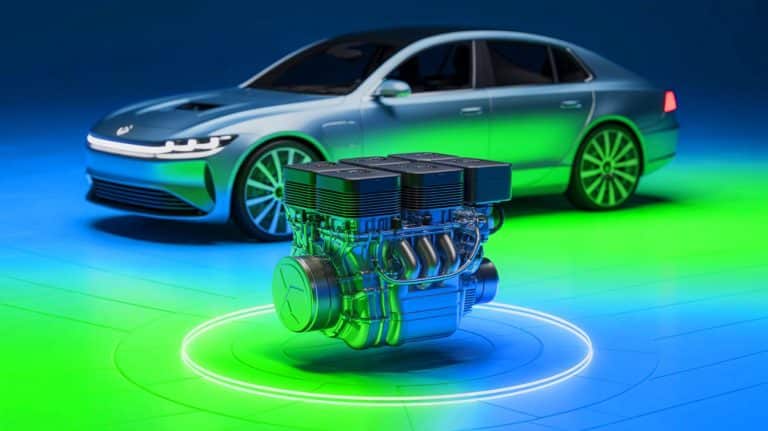
However, electric vehicles are not the only answer. The development of hydrogen fuel-cell engines is also gaining momentum. This technology is poised to become a significant complement to electric engines. The push for carbon neutrality requires a multifaceted approach, with multiple solutions tailored to various needs across the transportation sector. The reliance on a single technology is neither practical nor sustainable, highlighting the importance of innovation in diverse areas.
BMW Announces Its Latest Surprising Development With a Continued Focus on “Old” Technology
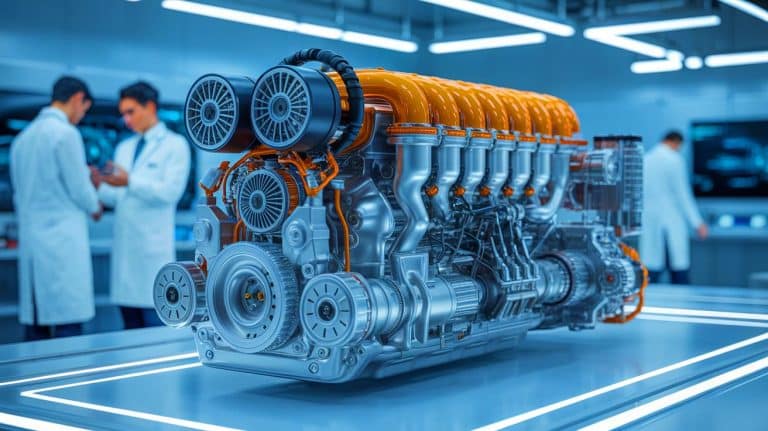
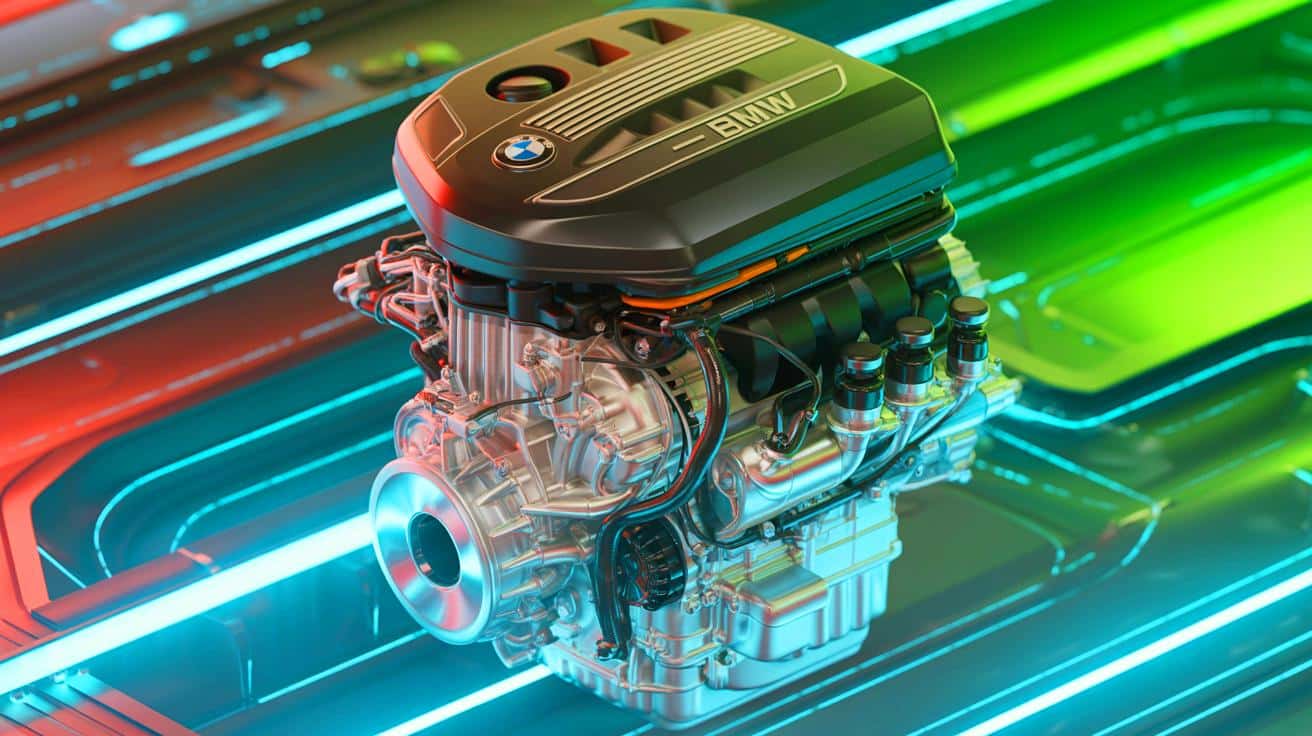
Amid growing environmental concerns, many expect automakers to prioritize alternative, renewable engine technologies. Yet, BMW has taken a different path. Contrary to expectations, the German automaker has filed a patent for a new generation of internal combustion engines. This development, using pre-chamber combustion chamber technology, is set to debut in the 2026 G65 X5 model.
BMW’s strategy reflects the continued dominance of internal combustion engines on the roads. Despite the rise of alternative engines, consumer demand has not waned. BMW also voices concerns over the European Union’s proposed 2035 ban on internal combustion engines. The company argues that eliminating these engines could lead to trade dependencies on countries like China for electric vehicle batteries, advocating for a more balanced and technology-agnostic approach to achieving carbon neutrality.
“To maintain the successful course, a strictly technology-agnostic path within the policy framework is essential,” BMW CEO Oliver Zipse told Reuters at the 2024 Paris Motor Show.
BMW Is Not Neglecting Sustainable Technology Entirely
While BMW continues to invest in advanced internal combustion technology, it is not turning away from sustainability. The company remains committed to developing sustainable alternative engine technologies. BMW has a robust lineup of electric vehicle solutions and is actively expanding its portfolio.
Fact Check: Mercedes Confirms They Will Not Be Using BMW Engines
In a strategic partnership with Toyota, BMW is venturing into hydrogen fuel-cell technology. Toyota, recognized for its innovation in hydrogen fuel-cell vehicles, is collaborating with BMW to produce a hydrogen-powered vehicle by 2028. This partnership underscores the shared vision of both companies for a sustainable future. It also reflects an industry-wide trend towards collaboration to accelerate the path to carbon neutrality.
Balancing Tradition and Innovation
BMW’s approach illustrates the complexities automakers face in balancing tradition with innovation. The company’s investment in both internal combustion engines and sustainable technologies speaks to the broader challenges of the automotive sector. Striking a balance between meeting current consumer demands and investing in future technologies is no small feat.
As the industry grapples with environmental responsibilities, BMW’s strategy could serve as a model for others. It highlights the need for a diverse array of solutions to tackle climate change effectively. The evolution of transportation technology is far from linear, requiring a nuanced understanding of market demands and environmental imperatives.
As the automotive industry navigates these challenges, the question remains: How will automakers balance the demands of sustainability with the realities of consumer preference and global trade dependencies?
Continue reading