

“They’re Calling It the Hydrogen Beast”: This $2 Million Supercar Just Challenged Tesla’s Reign With a 1,000-Mile Range and 5-Minute Refuel
 By
Avi Cohen
By
Avi Cohen
| IN A NUTSHELL |
|
The emergence of the “hydrogen beast” marks a significant milestone in the automotive industry’s quest for sustainable energy solutions. As concerns about climate change become more urgent, the focus on renewable energy sources intensifies. While electric vehicles (EVs) have dominated the conversation, hydrogen fuel-cell technology is gaining traction. This alternative energy solution offers a glimpse into a future where internal combustion engines are phased out. The introduction of hydrogen-powered vehicles underscores the industry’s commitment to reducing its carbon footprint and exploring diverse pathways toward sustainability. This development could redefine how we envision the future of transportation, challenging the dominance of traditional fossil fuels.
Increasing the Presence of Alternative Engine Technology
For the past decade, the transportation industry has grappled with the pressing issue of fossil fuel dependency. As environmental concerns mount, automobile developers are under increasing pressure to innovate and offer alternative engine solutions. The commitment to carbon neutrality is not just a marketing strategy; it’s a necessary pivot to remain competitive in a rapidly changing world. The electric vehicle has become a frontrunner in this race, with hybrid technology leading global alternative engine sales.
However, the transition to electric vehicles is not without hurdles. High entry-level prices and insufficient infrastructure have stalled progress, despite the advanced technology available. Stakeholders outside the automotive sector must contribute to scaling up this infrastructure to support widespread EV adoption. Meanwhile, certain countries are setting benchmarks for an internal combustion-free future. Norway, for example, achieved 89% electric vehicle sales last year and aims for complete adoption by year’s end. This success offers a roadmap for other nations striving to reduce their carbon footprints.
New ‘Hydrogen Beast’ From This Automobile Developer
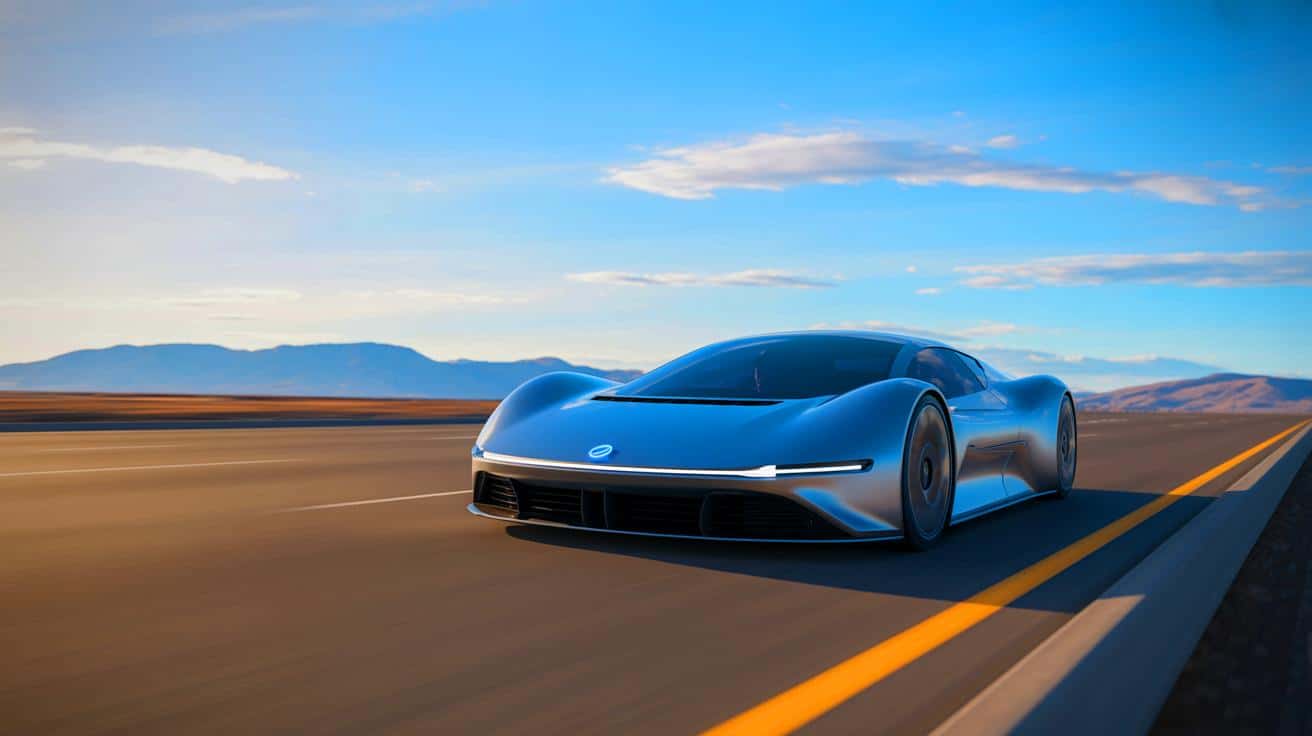
The rise of hydrogen fuel-cell technology is exemplified by Hyperion Motors’ recent unveiling of the XP-1, touted as the world’s first hydrogen supercar from an American manufacturer. This ambitious project showcases the potential of hydrogen as a viable alternative to electric vehicles. The XP-1 boasts an impressive 2,038 horsepower, reaching speeds of 100 kmph in under 2.2 seconds. With a top speed of 356 kmph and a range of 1,635 km before needing refueling, the XP-1 challenges the capabilities of its electric counterparts.
One of the hydrogen vehicle’s major advantages is its rapid refueling time, taking only three to five minutes. This efficiency could sway consumers who are hesitant about the longer charging times required by electric vehicles. Priced at $2 million, the XP-1 is not just a high-performance vehicle but also a statement of innovation and commitment to a sustainable future. As Hyperion Motors begins accepting orders, the XP-1 represents a pivotal moment in the shift toward alternative energy vehicles.
Can Hydrogen and Electricity Work Together?
Despite some criticism, automakers exploring hydrogen fuel-cell technology remain undeterred. They argue that a dual approach, incorporating both hydrogen and electric vehicles, is essential for achieving carbon neutrality in the automotive sector. Collaboration among manufacturers is crucial in this endeavor. As Toyota’s chief engineer of advanced mobility, Jay Sackett, described, the company is working with competitors to establish standards for hydrogen fueling connections and protocols.
“We are collaborating with companies that would traditionally have been our competition to develop standards for hydrogen fueling connections and protocols…” described Jay Sackett, Toyota’s chief engineer of advanced mobility, in a press release.
https://leftlanenews.com/supercar-maintenance-tips/535/
Japanese automakers, in particular, are leaders in this movement. They are not only championing hydrogen technology but also assisting other companies in developing their own hydrogen-fuel cell models. This collaborative effort underscores the belief that both technologies are necessary for a sustainable future. Toyota’s commitment to this dual approach highlights the potential for hydrogen to complement electric vehicles rather than compete against them.
The introduction of the hydrogen “beast” symbolizes a broader shift in the automotive industry. As automakers explore multiple pathways toward sustainability, hydrogen and electric vehicles may coexist, each serving different needs and preferences. This dual approach could accelerate the transition to a carbon-neutral future, offering consumers more choices and flexibility. As the industry evolves, the question remains: how will consumers and policymakers embrace these advancements to shape the future of transportation?