


Ford May Cut F-150 Lightning, Sparking Concerns Over Future of Electric Trucks in American Market
 By
Keisha Holloway
By
Keisha Holloway
| IN A NUTSHELL |
|
The Ford F-150 Lightning, once hailed as a revolutionary step in electric vehicles, faces an uncertain future. Recent reports indicate that Ford may cease production of this electric pickup due to dwindling sales and significant financial losses. While the F-150 Lightning was initially poised to lead Ford’s electric revolution, various challenges have cast doubt on its viability. The indefinite halt in production following a fire at a key supplier’s facility adds to the uncertainty. The situation raises questions about the broader market for electric trucks in the U.S., as Ford and other manufacturers reassess their strategies in a rapidly evolving industry.
Challenges in the Electric Truck Market
Electric vehicles have been at the forefront of automotive innovation, yet real-world challenges persist. The Ford F-150 Lightning is emblematic of these hurdles. Despite its initial promise, the vehicle has struggled to gain traction in the competitive truck market. One of the primary issues is the high cost of production and sale. Priced at $54,780, the Lightning is significantly more expensive than its gasoline counterpart, which starts at $37,450. This price gap has deterred many potential buyers, particularly in a market where affordability remains key.
Moreover, the cessation of a federal tax rebate of up to $7,500 has compounded the challenge. This financial incentive previously helped bridge the cost gap between electric and traditional vehicles, encouraging more consumers to make the switch. Without it, the economic rationale for purchasing electric trucks like the F-150 Lightning has weakened. In response, some manufacturers have reduced prices, but these measures have not fully offset the impact of the rebate’s expiration.
Production Setbacks and Strategic Shifts
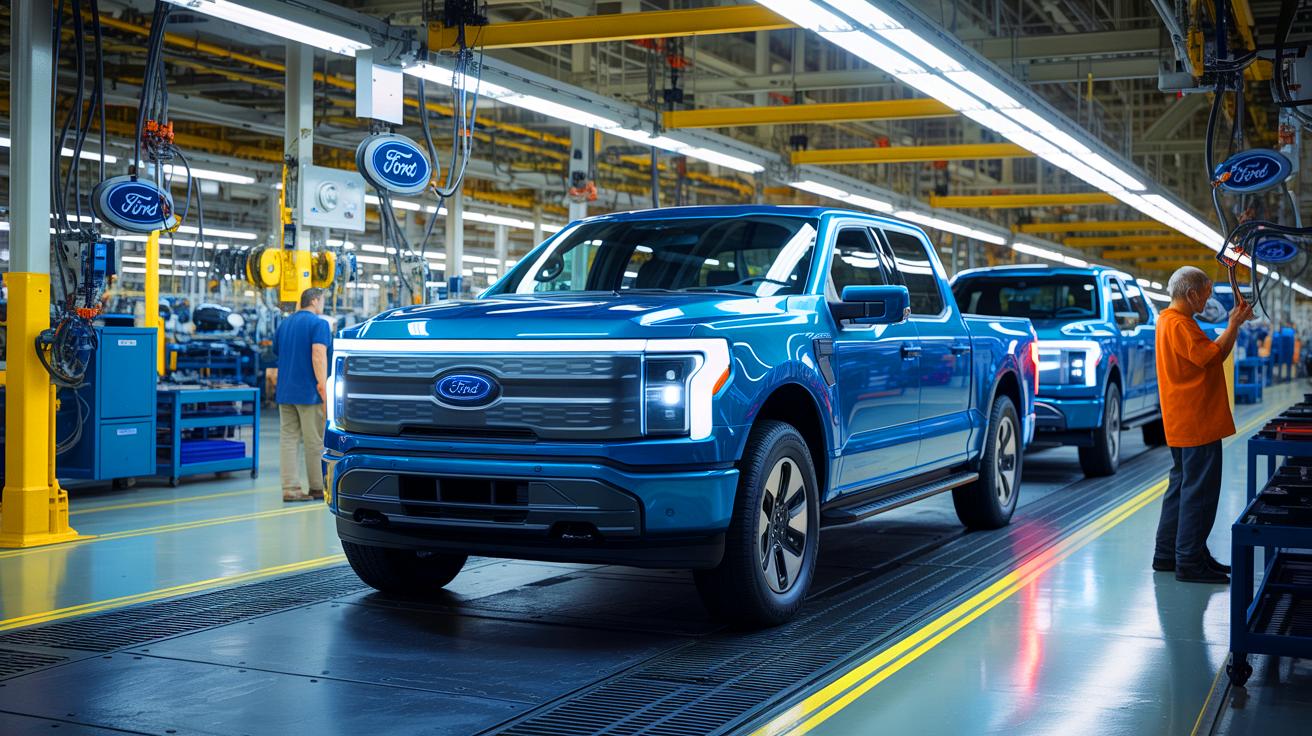
Production of the F-150 Lightning has faced significant disruptions. A fire at an aluminum factory in upstate New York has led to an indefinite pause in manufacturing. The F-150’s aluminum body, a crucial component, has been affected by this supply chain issue. Consequently, Ford has prioritized the production of its conventional gasoline and hybrid models, which remain profitable. Employees from the Lightning’s production line have been reassigned to facilities producing these more traditional vehicles.
Despite assurances from Ford’s COO, Kumar Galhotra, about resuming production, the outlook remains uncertain. The company is grappling with whether to reinvest in the Lightning or focus on models with a steadier market presence. This strategic dilemma highlights the broader challenges within the electric truck segment. As Ford navigates these complexities, it must balance innovation with economic viability.
Supercar maintenance: Tips for keeping your ride in top shape
Competitive Landscape and Market Dynamics
Ford is not alone in facing challenges with electric trucks. Rivals such as General Motors are also reassessing their strategies. GM’s Chevrolet Silverado EV, GMC Sierra EV, and GMC Hummer EV have encountered slow sales, prompting the company to reconsider their futures. Similarly, Ram has canceled its all-electric 1500 REV, opting instead to focus on an extended-range version of the 1500. These developments suggest a broader reevaluation within the industry as manufacturers adjust to shifting consumer preferences and economic realities.
The competitive landscape is further complicated by emerging technologies and platforms. Ford’s announcement of the Universal EV Platform, set to debut in 2027 with a Ranger-sized truck, indicates a strategic pivot. This new vehicle, potentially named Ranchero, is expected to start at $30,000, aiming to capture a different segment of the market. Such moves reflect an industry in flux, where companies are exploring various paths to success in the electric vehicle space.
Volkswagen Unleashes Its Own Epic Gymkhana Video: A Thrilling Ride!
Impact on International Markets and Future Outlook
While the F-150 Lightning faces challenges in the U.S., its impact extends internationally. In Australia, for example, Ford does not officially offer the Lightning. However, local entities like AusEV have stepped in, remanufacturing and selling the model to meet niche demand. This adaptation demonstrates the global interest in electric vehicles, despite regional differences in availability and market dynamics.
The broader implications of Ford’s decisions on the F-150 Lightning will likely influence the future of electric trucks worldwide. As manufacturers navigate these turbulent waters, they must weigh the benefits of innovation against economic pressures. The evolving landscape prompts a critical question: How will automakers balance the push for electric vehicles with the need for financial sustainability in a complex and competitive market?
As the automotive industry continues to evolve, the fate of the Ford F-150 Lightning serves as a microcosm of the challenges and opportunities faced by electric vehicles. The situation underscores the need for strategic adaptability and innovation in the face of economic pressures. Looking ahead, how will the lessons learned from the F-150 Lightning shape the future of electric vehicles in an ever-changing market?