

“It Drove Off on Its Own”: Xiaomi’s Smart Car Incident Sparks Alarming Questions About Remote Vehicle Safety
 By
Avi Cohen
By
Avi Cohen
| IN A NUTSHELL |
|
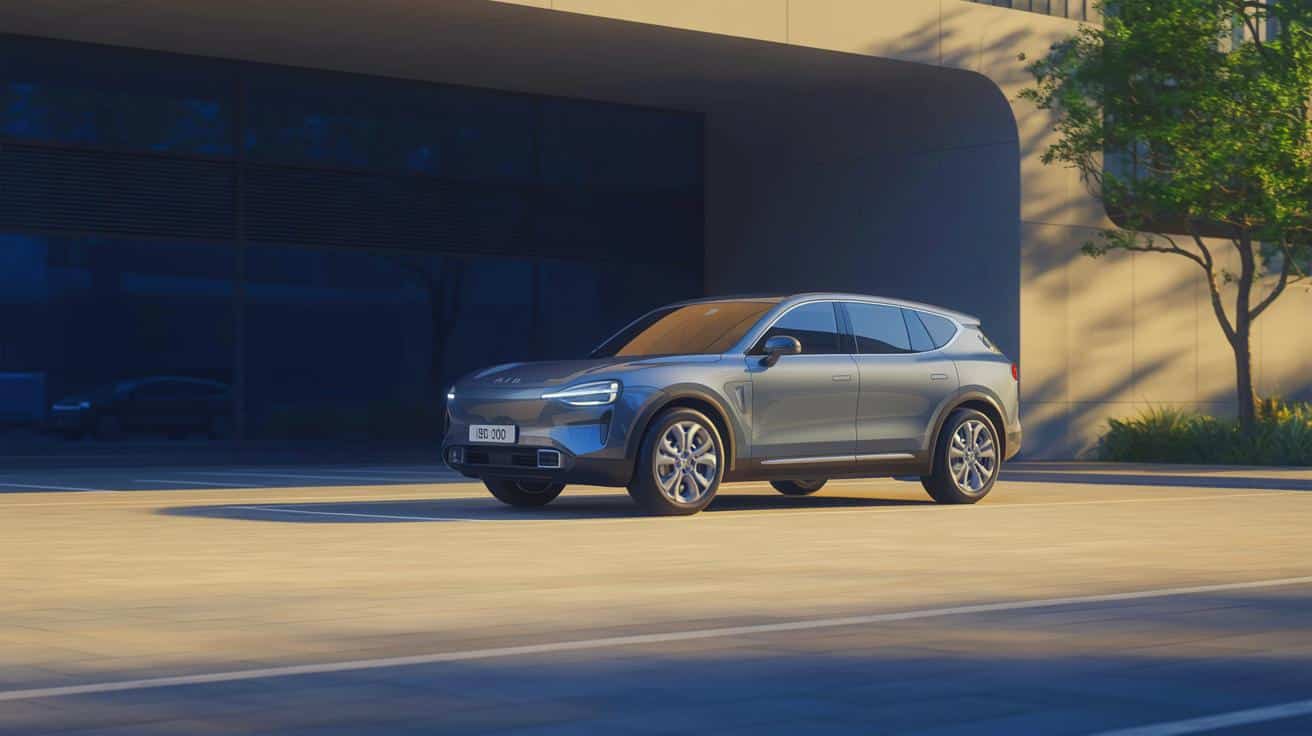
The recent incident involving a Xiaomi SU7 vehicle in China has brought attention to the complexities and potential pitfalls of modern automotive technology. Surveillance footage captured the SUV moving on its own, sparking concerns and discussions about the safety of remote vehicle operations. This incident, which unfolded when the SU7 rolled out of its parking spot without a driver, highlights the challenges and responsibilities associated with integrating advanced technology into everyday transportation. As automakers continue to push the boundaries of innovation, incidents like this underscore the importance of ensuring that safety and reliability keep pace with technological advancement.
Xiaomi’s Investigation and Findings
Following the unusual occurrence, Xiaomi swiftly conducted an investigation to understand the cause of the autonomous movement of the SU7. The company formed a dedicated task group to examine the vehicle’s backend data and the smartphone operation logs, with the owner’s consent. This investigation revealed that the SUV received a Remote Parking Assist (RPA) command, which led to its unexpected movement.
According to Xiaomi, the RPA feature is designed to activate only when the authorized phone is within Bluetooth range, ensuring that remote commands are executed safely. The analysis confirmed that the movement was initiated by a remote command rather than a system malfunction. In a statement on Chinese social media platform Weibo, Xiaomi detailed that the command originated from an iPhone 15 Pro Max, which was within the necessary range to trigger the parking assist feature.
Supercar maintenance: Tips for keeping your ride in top shape
The findings were later confirmed by the vehicle’s owner, who acknowledged Xiaomi’s explanation and data verification. The company’s vice president, Li Xiaoshuang, also reiterated the clarification on social media, emphasizing the accuracy of the investigation’s results. This transparency in communication was crucial in addressing public concerns and maintaining trust in the brand’s technological capabilities.
Remote Parking Features and Safety Concerns
The Xiaomi SU7 incident has ignited a broader industry debate regarding the safety and reliability of remote vehicle control features. While technologies like Remote Parking Assist offer enhanced convenience, especially in cramped urban environments, they also raise important questions about safety protocols and potential risks. The automotive industry is now examining whether existing safeguards are sufficient and how they can be improved to prevent similar occurrences.
Experts argue that as vehicles become increasingly connected, the onus is on manufacturers to ensure robust safety systems and transparent data handling practices. The incident underscores the need for comprehensive testing and clear operational guidelines for convenience features. It also highlights the importance of maintaining open lines of communication with vehicle owners to foster trust and ensure user confidence in these advanced technologies.
Industry Standards and Technological Challenges
As automotive technology continues to evolve, the industry faces the challenge of setting and maintaining high standards for safety and reliability. The Xiaomi SU7 case serves as a reminder that technological advancements must be accompanied by rigorous testing and validation processes. Ensuring that features like Remote Parking Assist operate seamlessly and safely requires collaboration between manufacturers, technology developers, and regulators.
Industry stakeholders are now calling for clearer standards and guidelines to govern the deployment and use of remote vehicle control features. This includes establishing protocols for data security, system integrity, and user interaction. As the automotive landscape shifts towards greater connectivity and automation, these standards will play a crucial role in shaping the future of transportation and maintaining public trust in new technologies.
The Future of Remote Vehicle Operations
The Xiaomi SU7 incident is a testament to the complexities involved in integrating advanced technology into everyday vehicles. As remote vehicle operations become more commonplace, manufacturers will need to address the dual challenges of enhancing convenience while safeguarding against potential risks. This balance will be key to ensuring that technological innovations contribute positively to the driving experience without compromising safety.
Looking ahead, the incident may prompt automakers to reevaluate their approaches to remote control features, focusing on user education, system robustness, and responsive customer support. As the industry navigates this evolving landscape, the question remains: How will manufacturers and regulators work together to ensure that the benefits of remote vehicle operations outweigh the risks?