

Kia’s U.S. EV Expansion Stalled by Tariff Disputes, Impacting Jobs and Innovation in the Auto Industry
 By
Owen Fairbrother
By
Owen Fairbrother
| IN A NUTSHELL |
|
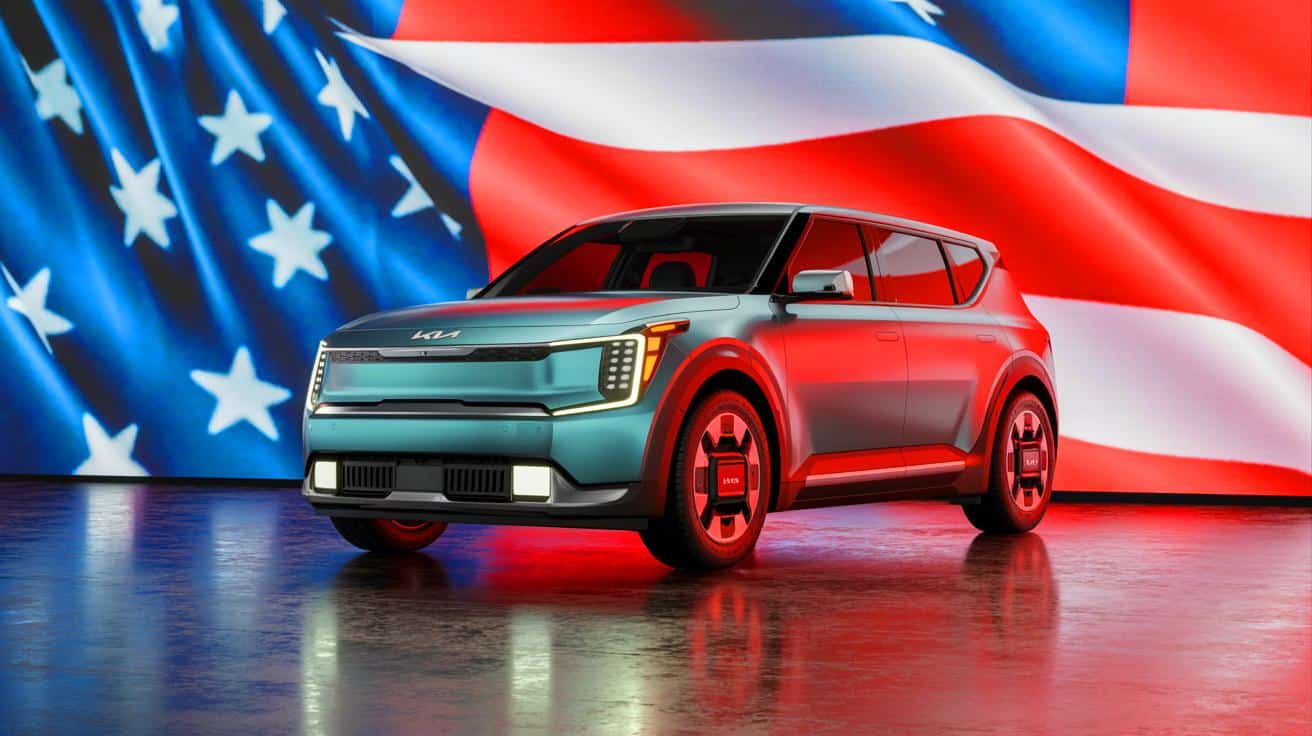
Kia Motors is navigating uncertain waters in the U.S. market, grappling with the impact of tariffs that could reshape its electric vehicle (EV) lineup and pricing strategies. As automakers worldwide adjust to changing economic landscapes, Kia’s plans for expanding its EV offerings in the U.S. are caught in a web of tariff-related challenges. The delay of the Kia EV4 and the reevaluation of its electric pickup truck concept highlight the broader implications of trade policies on the automotive industry. This article delves into the complexities of Kia’s strategy, the potential impacts on consumers, and the broader industry trends in play.
Kia EV3: Awaiting Its U.S. Debut
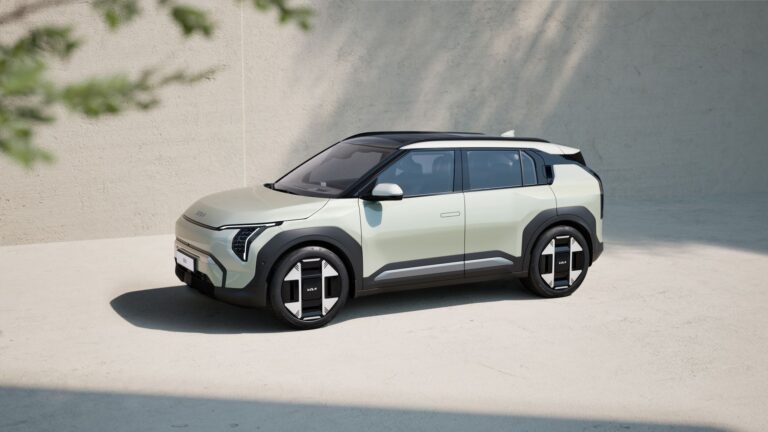
The Kia EV3 remains a beacon of hope amid the uncertainty surrounding Kia’s EV lineup in the U.S. While the EV4’s future hangs in the balance, the EV3 is still slated for U.S. release, reflecting the strong demand for small SUVs. This decision underscores the importance of adapting to market trends and consumer preferences. Although Kia has not yet announced specific pricing for the EV3, it is expected to be a more affordable option, likely starting below $40,000.
However, the U.S. EV market’s volatility creates challenges in forecasting demand. The expiration of the EV tax credit and fluctuating tariffs have introduced unpredictability, clouding the outlook for EV adoption. Kia’s Vice President of Marketing, Russell Wager, indicates that a clearer picture may emerge by early 2026, as consumers adjust to the new market dynamics. Meanwhile, the EV3’s production is underway in South Korea, with Canadian sales expected to begin in January 2026, though pricing remains undisclosed.
The tariff landscape is slowly stabilizing, with the U.S. reducing tariffs on automobiles and related products to 15 percent. Yet, the ongoing 50 percent tariff on Korean steel and aluminum poses significant hurdles. For Kia to successfully launch the EV3 in the U.S., these trade policies will need to find a lasting resolution.
The EV Pickup and Gas Model Dilemma
Just months after announcing plans for a U.S.-bound electric pickup, Kia is reevaluating the project due to market uncertainties. The fluctuating prices and supply chain issues experienced by competitors, such as the Ford F-150 Lightning, have prompted Kia to reassess its approach. As Wager noted, the company has a diverse global EV portfolio, but consumer demand and tariff resolutions will dictate which models reach U.S. shores.
Kia’s Georgia plant offers some flexibility, producing multiple models, including the Telluride and Sorento. However, the potential introduction of the Tasman pickup faces substantial financial barriers, including a 25 percent chicken tax and additional tariffs. This reality restricts Kia’s ability to expand its U.S. lineup and underscores the need for stable trade agreements.
The situation also affects gasoline models like the K4 and Seltos. Industry experts predict price increases across vehicle types due to tariffs, but the full extent remains uncertain. Kia’s cautious approach to price adjustments reflects concern over maintaining sales volumes amid rising costs.
Supercar maintenance: Tips for keeping your ride in top shape
Navigating the Tariff Maze
As Kia maneuvers through the tariff maze, the stakes are high. The company’s ability to maintain competitive pricing and offer a diverse vehicle lineup is at risk. Tariff-induced cost increases threaten to erode profit margins and consumer affordability. Wager emphasizes that Kia cannot absorb these costs indefinitely, hinting at potential business decisions if tariffs persist at current levels.
A White House fact sheet recently announced a reduction in tariffs on automotive products, providing a glimmer of hope for manufacturers. However, the long-term stability of these trade agreements remains uncertain. For Kia and other automakers, achieving a sustainable balance between production costs and consumer prices is essential.
Ultimately, the resolution of tariff disputes will shape the future of Kia’s U.S. operations. The company’s strategic decisions will depend on the evolving trade landscape and its impact on production and pricing strategies.
The Road Ahead for Kia
As Kia navigates these challenges, the broader implications for the automotive industry are apparent. Trade policies, market demand, and technological advancements will continue to influence the evolution of EVs. For Kia, the path forward involves balancing innovation with market realities and regulatory constraints.
The company’s efforts to expand its EV lineup in the U.S. reflect a commitment to sustainability and consumer choice. However, achieving these goals requires navigating complex trade dynamics and fostering consumer demand. As Kia and other automakers adapt to these challenges, the question remains: How will trade policies and market forces shape the future of electric vehicles?