
“Nissan Just Betrayed Every Poor Person”: New Leaf Stays At $30,000 While America’s Cheapest Cars Disappear Forever
 By
Avi Cohen
By
Avi Cohen
| IN A NUTSHELL |
|
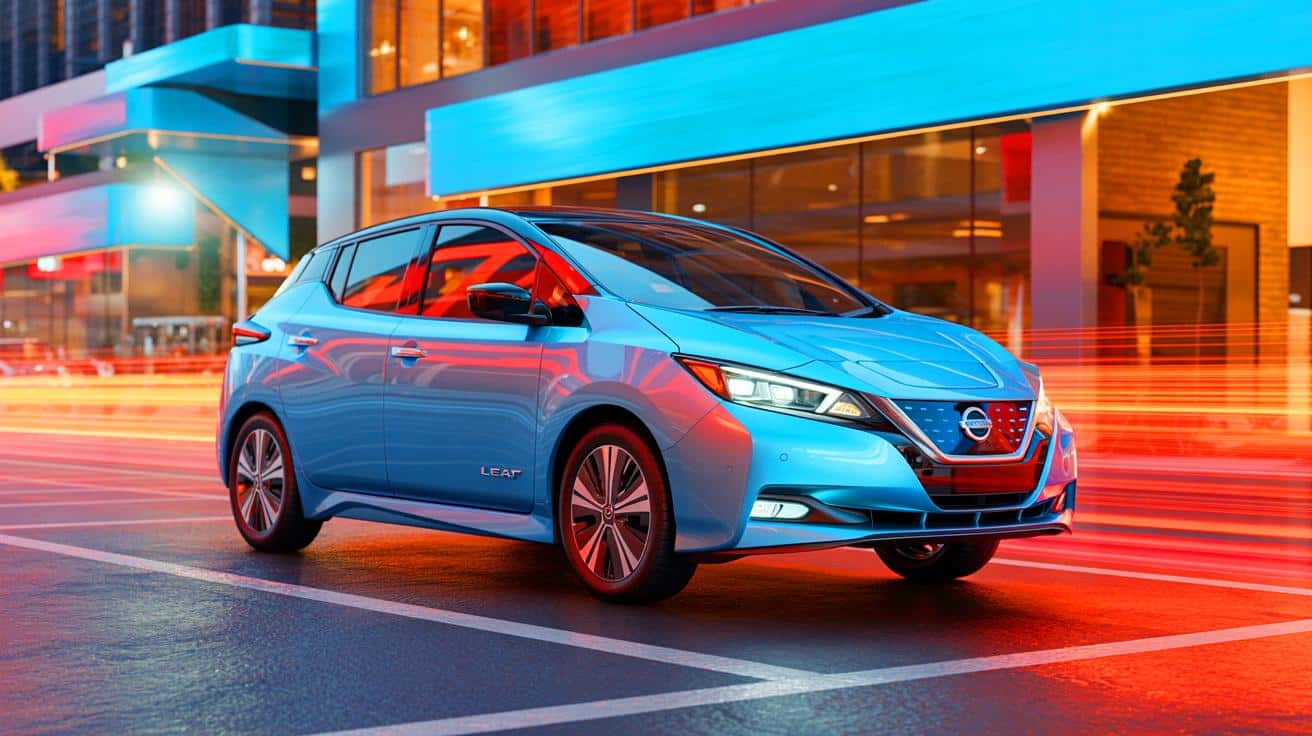
The Nissan Leaf has long been a trailblazer in the electric vehicle (EV) market, known for its affordability and reliability. As Nissan unveils the third generation of this iconic model, it introduces innovative features like a larger, liquid-cooled battery capable of achieving 300 miles on a single charge. Despite these advancements, the Leaf maintains its $30,000 MSRP, a price unchanged since its 2011 debut. However, this price point, once considered competitive, now raises questions. With the auto industry witnessing the discontinuation of the most affordable internal combustion engine (ICE) cars, there was a golden opportunity for the Leaf to redefine the market by becoming the most affordable vehicle available. But has Nissan missed this historic chance?
The Evolution of the Nissan Leaf
Since its inception, the Nissan Leaf has been synonymous with affordable electric mobility. Its introduction marked a significant step forward in bringing EVs to the masses. Over the years, the Leaf has continuously evolved, adapting to technological advancements and consumer demands. The latest generation, equipped with a liquid-cooled battery, promises a substantial increase in range, addressing one of the key barriers to EV adoption, range anxiety.
Yet, despite these improvements, the Leaf’s price remains static. While maintaining a $30,000 MSRP might seem like an achievement, it misses a critical opportunity to capitalize on the current market dynamics. The discontinuation of the Mitsubishi Mirage and Nissan Versa, previously the cheapest ICE cars, has left a gap in the market. This gap presents a unique opportunity for Nissan to position the Leaf as the most affordable vehicle, electric or otherwise, in the U.S.
Supercar maintenance: Tips for keeping your ride in top shape
Why Price Matters in the EV Market
The importance of price in the automotive industry cannot be overstated. For many consumers, price is the primary factor in vehicle choice. This is especially true in the EV market, where initial costs can deter potential buyers despite lower long-term operating expenses. Electric vehicles, with fewer moving parts, are inherently cheaper to maintain. They offer lower per-mile costs compared to traditional ICE vehicles, making them an attractive option for budget-conscious consumers.
However, the upfront cost remains a significant barrier. The Leaf's $30,000 price tag, while competitive for an EV with its features, does not break new ground. It fails to capture the segment of the market that seeks the absolute cheapest option. By not introducing a lower-priced variant, Nissan misses the chance to appeal to first-time EV buyers and those transitioning from budget ICE vehicles.
The Missed Opportunity for Market Disruption
Imagine a scenario where the Nissan Leaf was reimagined as a $20,000 EV. This would not only make it the most affordable EV but potentially the cheapest vehicle overall in the U.S. market. Such a move could have significant implications, putting pressure on other automakers to lower prices and accelerate the transition to electric mobility.
Creating a truly budget-friendly EV could involve compromises, such as a smaller battery offering 100 miles of range and a compact design with fewer features. However, these trade-offs could be acceptable to many consumers, especially those using the vehicle for short commutes or urban driving. By not seizing this opportunity, Nissan risks ceding ground to competitors who may be more willing to push the boundaries of affordability.
The Future of Affordable Electric Vehicles
The quest for affordable EVs is more than just a business strategy; it is a critical component in the global effort to reduce carbon emissions and combat climate change. As governments and consumers increasingly prioritize sustainability, the demand for accessible electric transportation will only grow. Automakers who can deliver on this need will not only capture market share but also contribute to a cleaner, greener future.
In this context, Nissan's decision not to introduce a more affordable Leaf variant seems short-sighted. While the new Leaf remains a strong contender in the EV market, it does not redefine the boundaries of what is possible in terms of affordability. The question remains: who will step up to fill this void, and how will it reshape the automotive landscape?
As the automotive industry continues to evolve, the demand for affordable electric vehicles will undoubtedly increase. Nissan's decision with the Leaf reflects a cautious approach, but it also highlights a significant opportunity for innovation and market leadership. As technology advances and production costs decrease, will we see a new wave of budget-friendly EVs that challenge the status quo? The future of sustainable transportation may hinge on this very question.