
“They’re Powering Cars With the Air Itself”: BMW’s Leipzig Plant Becomes the First Factory to Run on a Dedicated Hydrogen Pipeline
 By
Graham Pettigrew
By
Graham Pettigrew
| IN A NUTSHELL |
|
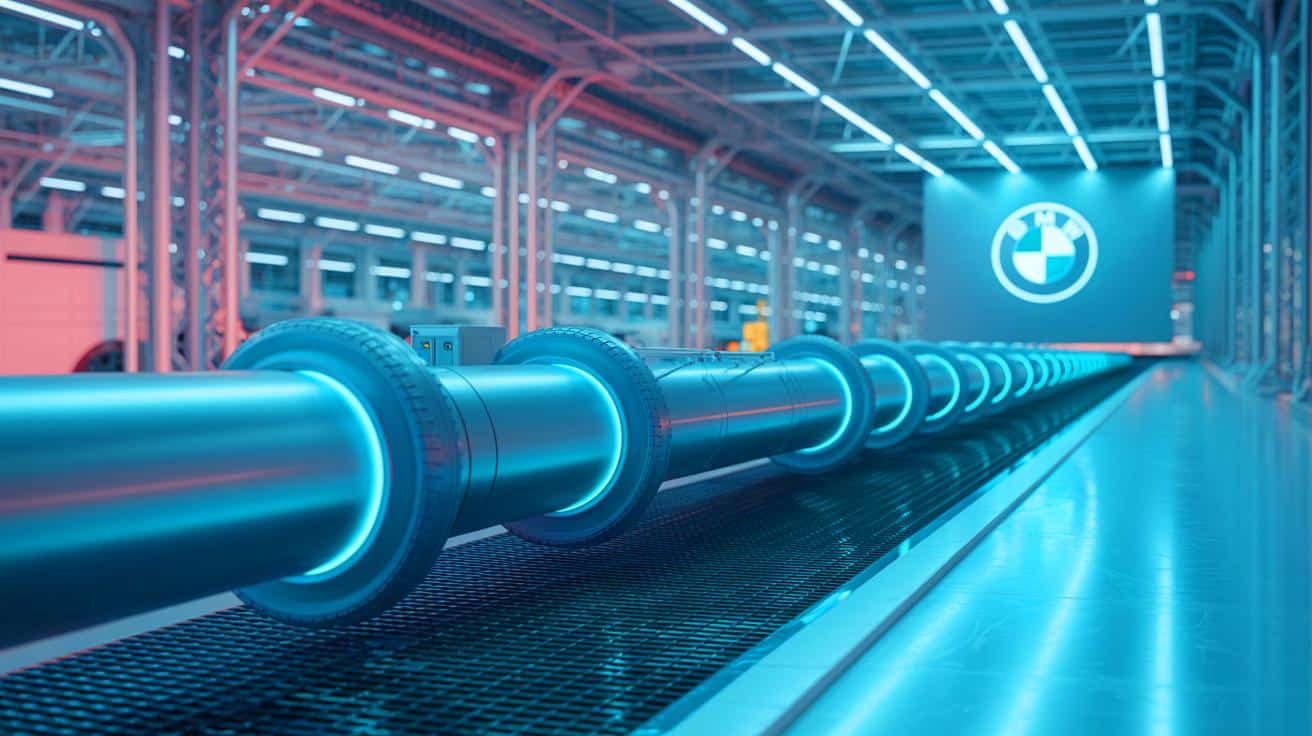
The automotive industry is on the verge of a transformative shift as BMW’s Leipzig plant prepares to integrate a groundbreaking hydrogen pipeline. This innovative move, announced on October 1, positions BMW as the first car manufacturer to receive hydrogen directly through a pipeline rather than traditional truck deliveries. The collaboration involves Mitnetz GAS and Ontras Gas Transport, with hydrogen expected to flow into the plant by mid-2027. This development marks a significant step in sustainable energy practices, aiming to reduce carbon emissions and enhance efficiency in automotive manufacturing processes.
The Role of Hydrogen in Automotive Manufacturing
BMW’s Leipzig plant has been at the forefront of hydrogen innovation for several years. In 2022, the facility introduced a pioneering fuel-flexible burner in its paint shop, capable of operating on both natural gas and hydrogen. This bivalent system adds flexibility to energy-intensive processes like curing ovens, allowing a seamless transition between fuel types based on availability.
Moreover, hydrogen has powered the plant’s logistics operations for over a decade. Since 2013, forklifts and tugger trains equipped with hydrogen fuel cells have been integral to operations, making the site home to Europe’s largest fleet of hydrogen-powered vehicles. The facility currently operates 230 such vehicles, underscoring BMW’s long-term commitment to hydrogen as a sustainable energy source.
How supercars are changing the face of automotive technology
“With the supply from a pipeline, we can use hydrogen in completely new dimensions in the future,” stated Petra Peterhänsel, head of the Leipzig plant.
Integration into Germany’s Hydrogen Core Network
The Leipzig pipeline project is part of Germany’s ambitious hydrogen core network plan. Expected to span approximately 5,592 miles across the country, this network aims to connect regional hydrogen suppliers with users, forming a cohesive national system by 2032. This infrastructure is crucial for linking Germany’s hydrogen ecosystem with neighboring countries.
Supercar maintenance: Tips for keeping your ride in top shape
For BMW, early involvement in this network ensures a stable hydrogen supply, enabling the company to expand its hydrogen applications in manufacturing. This strategic positioning not only secures energy resources but also aligns BMW with broader sustainability goals, showcasing the automaker’s forward-thinking approach to industrial energy solutions.
Toward Cleaner Automotive Manufacturing
Hydrogen is increasingly viewed as a pivotal component in reducing carbon emissions in industries reliant on high-temperature processes. BMW’s transition to a direct hydrogen pipeline is a significant step towards reducing the automotive sector’s dependency on fossil fuels. By eliminating the need for truck deliveries of hydrogen cylinders, the pipeline offers operational advantages such as reduced transport and storage requirements.
This development reinforces BMW’s role in pioneering industrial hydrogen use. The Leipzig plant, already recognized for integrating traditional automotive production with innovative energy systems, serves as a model for future factory operations. The new pipeline is expected to enhance the plant’s reputation as a leader in sustainable manufacturing practices.
Challenges and Opportunities in Hydrogen Adoption
While the transition to hydrogen presents numerous advantages, it also poses challenges. The infrastructure required for hydrogen production and distribution is complex and costly. However, BMW’s partnership with Mitnetz GAS and Ontras Gas Transport demonstrates a commitment to overcoming these hurdles through collaboration and innovation.
The potential environmental benefits of hydrogen adoption are substantial. By reducing reliance on fossil fuels and minimizing carbon emissions, hydrogen offers a sustainable alternative for energy-intensive industries. This transition not only aligns with global sustainability goals but also opens new avenues for technological advancements in energy systems.
As BMW’s Leipzig plant embarks on this hydrogen-powered journey, the implications for the automotive industry and beyond are profound. This initiative raises critical questions about the future of energy in manufacturing. How will advancements in hydrogen technology reshape industrial practices, and what role will other automakers play in this evolving landscape?