



| IN A NUTSHELL |
|
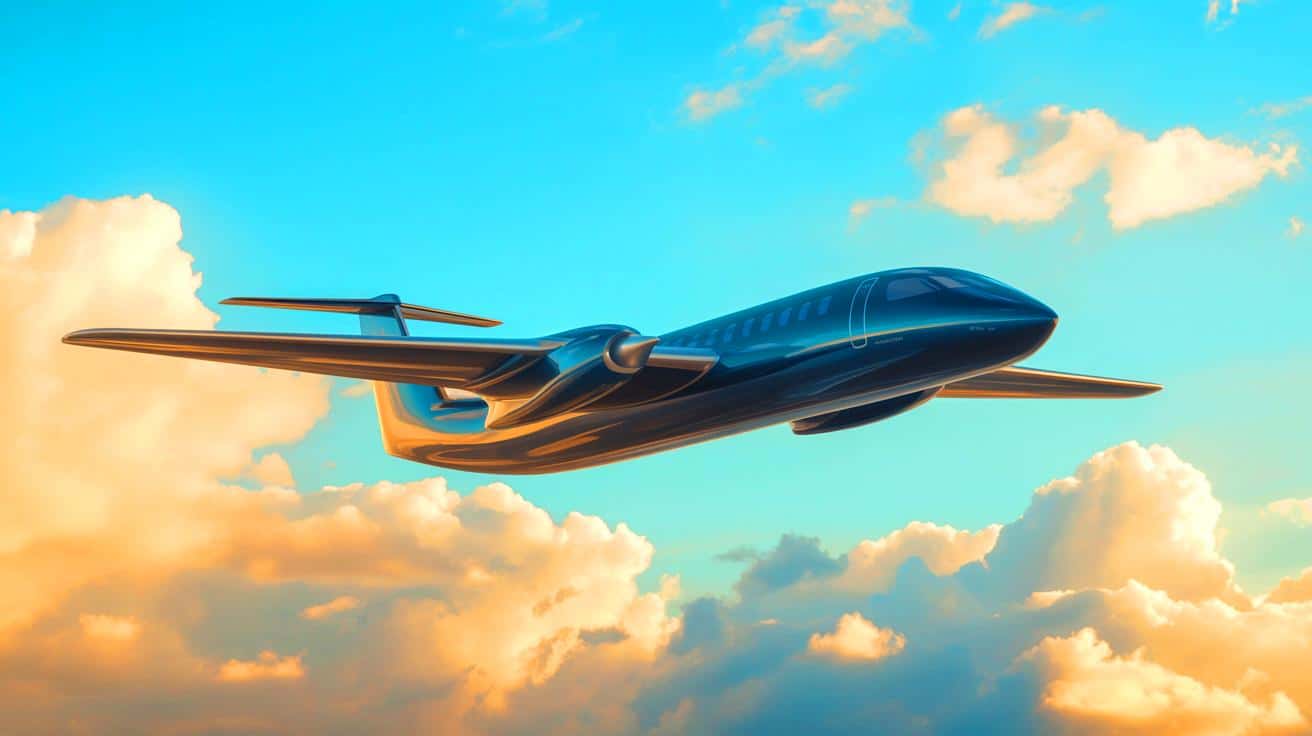
In a bold step toward decarbonizing aviation, Airbus is collaborating with Conflux Technology to develop a next-generation 3D-printed heat exchanger for its ZEROe hydrogen-electric planes. This innovation is pivotal for managing the thermal demands of megawatt hydrogen fuel cell systems, marking a significant advancement in sustainable aviation. Airbus aims to launch the first zero-emission commercial aircraft by 2035, but recent program delays suggest commercial deployment might extend into the 2040s. Despite these setbacks, Airbus continues to invest in vital technologies like thermal management systems, ensuring safety and efficiency. The success of this venture could redefine global aviation standards.
The ZEROe Vision for Hydrogen-Powered Aviation
Airbus’ ZEROe initiative is a cornerstone of its strategy to decarbonize the aviation industry. This ambitious project targets launching the first zero-emission commercial aircraft utilizing hydrogen fuel cells by 2035. The innovative propulsion system relies on a chemical reaction between hydrogen and oxygen, producing electricity to power the aircraft’s electric motors. The only byproduct of this process is water vapor, making it exceptionally clean.
To achieve this vision, every component, including fuel cells, storage systems, and heat exchangers, must be meticulously designed for aviation’s unique challenges. Hydrogen fuel cells, while efficient, generate substantial heat that necessitates compact and effective cooling systems. Conflux Technology’s expertise in additive manufacturing provides the essential elements for this system, crafting advanced heat exchangers crucial for operational success.
These components are integral to Airbus’s broader propulsion architecture, facilitating the transition from experimental phases to actual flight. The collaboration highlights the importance of partnerships in advancing cutting-edge technology in pursuit of sustainable aviation.
Program Delays and Ongoing Development
Despite significant technical strides, the ZEROe program faces delays potentially pushing back the launch of hydrogen-powered commercial aircraft to the 2040s. Airbus announced in early 2025 a 5 to 10-year timeline extension, attributing the delay to slow technological advancements and the complexities of establishing a global hydrogen aviation ecosystem. Additionally, the program’s budget was reduced by 25%.
Nevertheless, Airbus remains steadfast in its commitment to hydrogen as a viable long-term solution for aviation decarbonization. The company has achieved noteworthy milestones, including the successful powering of its first ZEROe fuel cell engine in 2023, delivering 1.2 megawatts. By the end of 2024, integrated testing involving fuel cell stacks and electric motors was completed.
Further advancements include the development of a Liquid Hydrogen BreadBoard system in collaboration with Air Liquide, aimed at testing in-flight storage and distribution. A comprehensive propulsion and hydrogen distribution system is set for ground testing in Munich by 2027. These efforts underscore the challenges of building an infrastructure capable of supporting hydrogen-powered aviation on a global scale.
Looking Ahead
Although the timeline for the ZEROe program has been extended, the development of crucial components like advanced heat exchangers indicates steady progress. Airbus maintains that hydrogen is central to its vision for climate-neutral aviation, with partners such as Conflux playing a vital role in transitioning concepts from laboratory settings to real-world applications.
The journey toward hydrogen-powered aviation is complex and fraught with challenges, yet each technological milestone brings Airbus closer to its ambitious goals. The ongoing collaboration and innovation in thermal management are critical to achieving a sustainable future for air travel.
“Thermal management is a core enabler for hydrogen propulsion, and our expertise is helping to advance this technology from lab to flight,” said Michael Fuller, CEO of Conflux Technology.
As Airbus and its partners continue to navigate the intricacies of hydrogen-electric propulsion, the question remains: How will the aviation industry adapt to and integrate these groundbreaking technologies to achieve a sustainable future?