


“Tom Brady Owns Electric Speed Boat Team”: Celebrity Racing League Hits 58 Miles Per Hour While Silent Ocean Vehicles Replace Loud Gas Engines
 By
Owen Fairbrother
By
Owen Fairbrother
| IN A NUTSHELL |
|
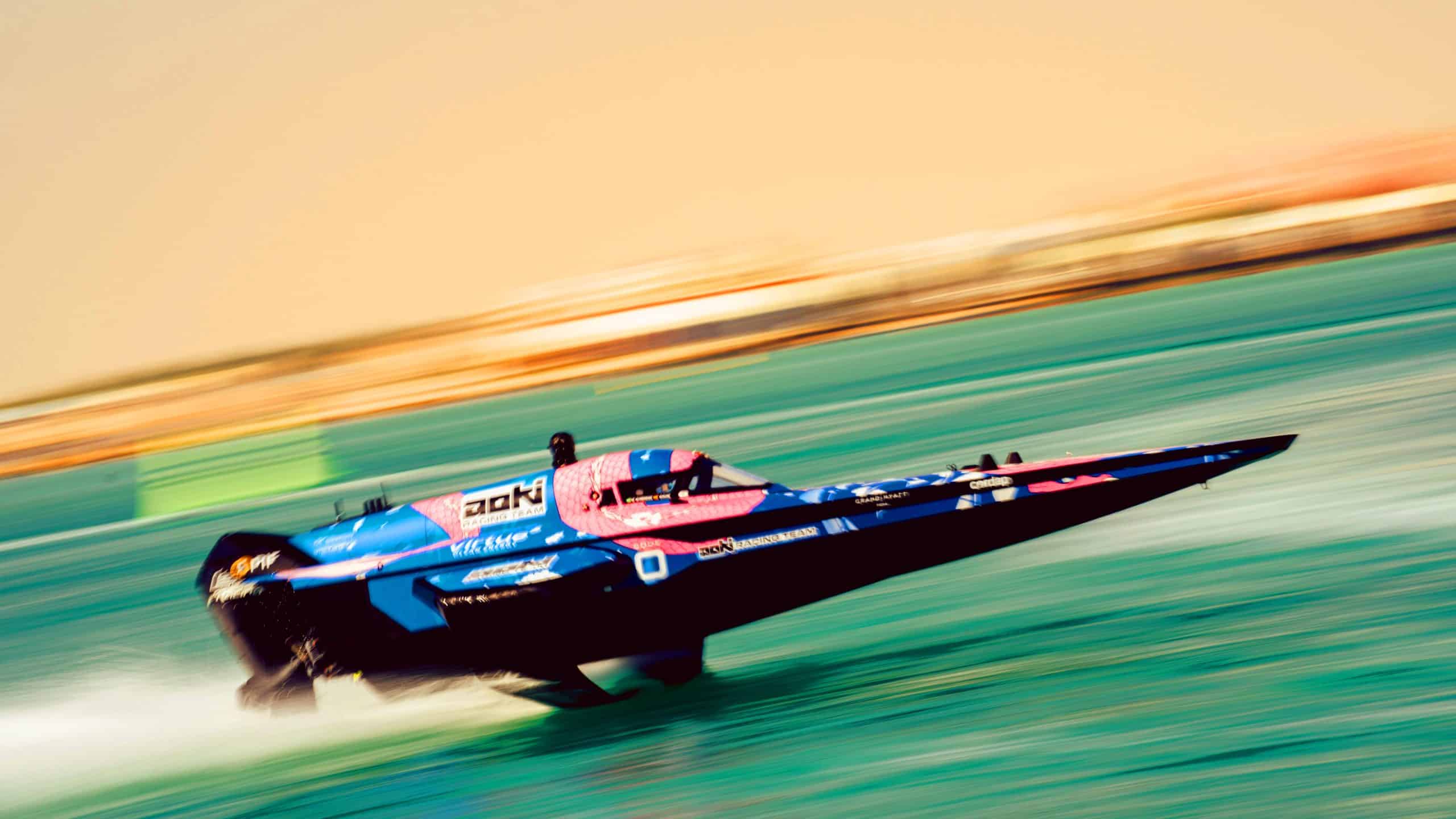
In the fast-evolving world of electric vehicles (EVs), a new frontier has emerged: the ocean. The E1 Series, often referred to as the “Formula One of the Sea,” is bringing thrilling electric powerboat races to global audiences. These high-speed races feature single-seater electric boats called “RaceBirds,” which are powered by 6,000-volt engines capable of reaching speeds up to 58 miles per hour. With the backing of celebrity team owners like Will Smith, LeBron James, and Tom Brady, this innovative sport is capturing attention worldwide. However, the E1 Series is not just about competition; it aims to demonstrate the potential of electric motors in marine environments, offering a glimpse into a more sustainable future.
Origins of the E1 World Championship
The idea for the E1 World Championship was born during the early days of the COVID-19 pandemic. Rodi Basso, a former NASA scientist and Formula One engineer, teamed up with Alejandro Agag, a pioneer in electric motorsports, to create an electric powerboat championship. The inspiration came while they walked along the River Thames in London, envisioning a new kind of motorsport that could glide over water with the elegance of a bird.
The RaceBird boats are designed to lift their hulls more than three feet above the water’s surface at speeds of nearly 20 miles per hour. This design minimizes wave production and reduces coastal erosion. The boats’ hydrofoils help them skim across the water, significantly lowering friction and allowing for impressive speed bursts. These design elements, combined with a 20-second boost that increases battery output, enable the RaceBirds to achieve remarkable speeds of up to 50 knots.
Challenges and Innovations in RaceBird Design
While the RaceBirds' speed and agility are impressive, they come with challenges. The boats' design makes them less capable of sharp turns and introduces the risk of cavitation—air bubbles that form in the water at high speeds. This phenomenon can destabilize the boats, requiring pilots to develop a keen sensitivity to their craft's performance.
"Around 50 knots, they get unstable," Basso explained. "The water around the foil starts bubbling, so you have less pressure and less force pushing the boat up, and then the boat can collapse." Pilots must carefully manage their boosts and navigate the choppy waters while maintaining their balance atop the foils. This requires immense concentration and skill, especially given the cockpit temperatures that can soar to 167 degrees Fahrenheit.
The Role of Celebrity Team Owners
One of the unique aspects of the E1 Series is the involvement of celebrity team owners. Figures like Tom Brady and Rafael Nadal not only bring attention to the sport but also actively engage with the teams and races. Their involvement has the potential to elevate the sport and attract new audiences.
"Tom Brady is the team owner for our team, and for me to say that is very surreal," said Sam Coleman, a pilot for Team Brady. "They understand it, and you can see that they're super competitive." The presence of high-profile celebrities helps bring media attention to the sport, providing a platform to promote sustainability and innovation in marine transportation.
Environmental Impact and Future Prospects
Beyond the excitement of the races, the E1 Series aims to address environmental concerns. The RaceBirds are designed to be virtually silent and emit zero emissions, making them more environmentally friendly than traditional combustion engine boats. Carlos Duarte, E1's chief scientist, highlights the importance of reducing noise pollution in marine environments.
"As we saw during the COVID lockdown, with only a 20% reduction in [ships'] noise, there were reports from all over the world of large marine animals being reported in areas that they had not been seen for decades," Duarte noted. E1 is also involved in aquatic restoration and conservation efforts in race cities, aiming to mitigate the environmental impact of the races.
The E1 Series presents a fascinating intersection of technology, sport, and environmental consciousness. As the sport continues to grow, it raises important questions about the future of marine transportation and the role of electric power in reducing environmental impact. How will advancements in electric marine technology shape our interactions with the oceans in the years to come?