


“They Called It ‘Affordable’”: Tesla’s New Model 3 and Y Just Lost Their Tax Credit: and Ended Up Costing More With Fewer Features
 By
Avi Cohen
By
Avi Cohen
| IN A NUTSHELL |
|
Tesla has long been at the forefront of the electric vehicle (EV) revolution, promising innovation and affordability. Recently, the company introduced new Standard versions of its Model 3 and Model Y. These models are intended to provide more affordable options for buyers. However, the timing of these releases coincides with the expiration of a significant federal tax credit. This has led to a paradox where the supposedly cheaper cars are effectively more expensive than before. This development raises questions about Tesla’s pricing strategy and its implications for the broader EV market.
Price Hike Despite “Affordable” Tag
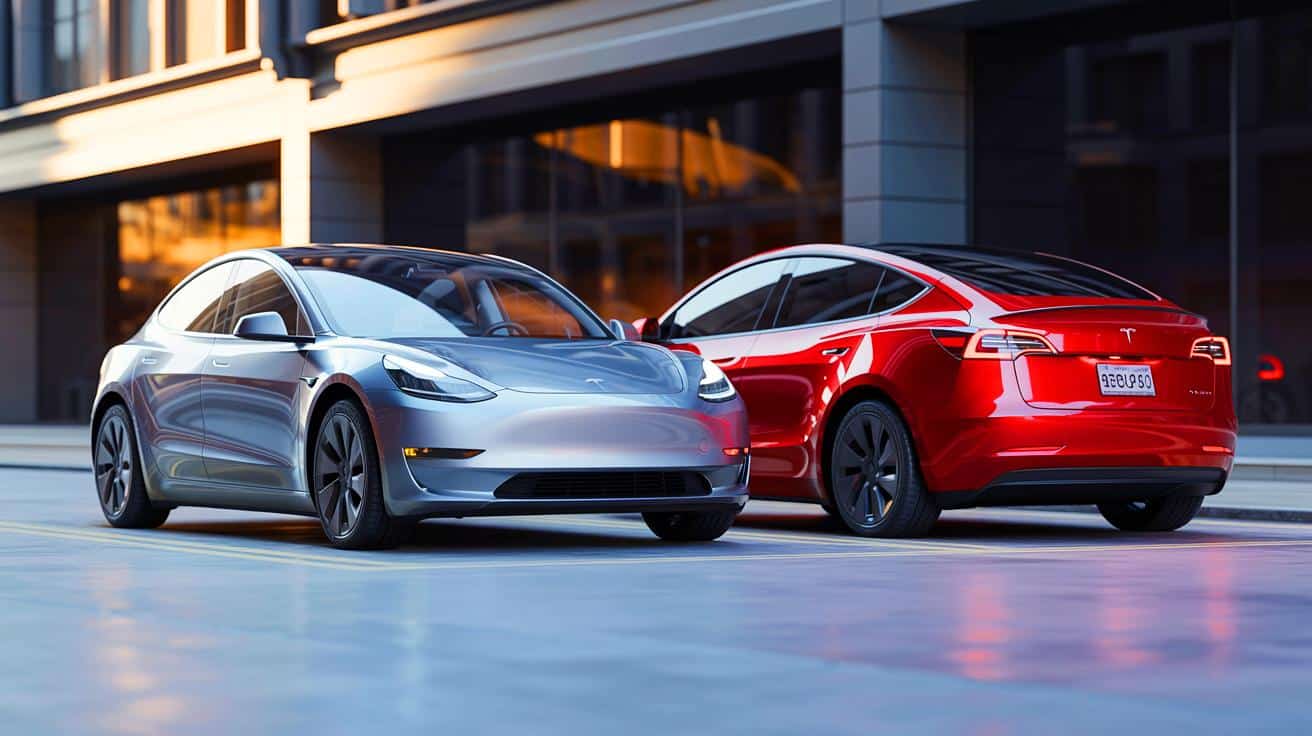
Tesla’s latest offerings, the Model 3 Standard and Model Y Standard, come with a price tag of $37,000 and $40,000, respectively, before additional fees. This move follows the company’s decision to cancel its long-promised $25,000 “Model 2,” shifting focus instead to less expensive versions of existing models. While these new models are marketed as more budget-friendly alternatives to the Premium trims, the removal of a $7,500 federal EV tax credit has undercut the savings.
Prior to the tax credit’s expiration, the Premium Model Y cost approximately $37,490 after the rebate. The new Standard Model Y now starts at $39,990, resulting in an effective price increase. Similarly, the Model 3 sees a $2,000 rise in its effective cost. These developments illustrate how Tesla’s pricing strategy has rendered the notion of affordability somewhat moot for potential buyers.
Stripped-Down Features of New Models
In creating the Standard versions, Tesla has made several compromises in terms of features. The new trims have fewer speakers, lack a subwoofer, and feature simpler cloth interiors. They also forgo the second-row touchscreen that is present in Premium versions. Other amenities, such as ambient lighting and power-folding mirrors, have also been eliminated.
Moreover, the battery capacity has been reduced to 69 kWh, resulting in a shorter range and slower acceleration. Despite these cutbacks, Tesla has retained essential software and safety features, including the Full Self-Driving (Supervised) system, albeit as an optional purchase. These changes reflect Tesla’s effort to balance cost and functionality, though they may not meet the expectations of all buyers.
Market Reaction and Future Outlook
The market’s response to Tesla’s announcement was less than enthusiastic. Tesla’s stock fell by about 4% following the news, as investors had anticipated more competitively priced models. This reaction highlights the challenges Tesla faces as it navigates a competitive and rapidly evolving EV market.
Other automakers, such as Hyundai, are rolling out cheaper EVs, intensifying the competition. Tesla’s decision to focus on maximizing sales before the federal tax credit expired may have contributed to production delays for its new Standard models. This, coupled with the complex production process, has resulted in a slower-than-expected ramp-up. As Tesla contends with potential excess production capacity, the pressure to innovate and re-strategize intensifies.
Implications for Tesla and the EV Market
Tesla’s introduction of the Standard trims represents a mixed bag of affordability and compromise. While the company has technically delivered on its promise of cheaper cars, the reality for most buyers is an increase in the cost of entry into Tesla ownership. This situation underscores the complexities of pricing strategies in the competitive EV landscape.
As Tesla grapples with these challenges, the broader EV market continues to evolve. Automakers are increasingly focused on offering affordable options without sacrificing essential features. This dynamic presents both opportunities and challenges for Tesla, which must balance innovation with practical pricing strategies to maintain its leadership position.
The introduction of Tesla’s Standard models marks a significant moment in the company’s journey toward affordability. However, the interplay between pricing, features, and market dynamics raises important questions. How will Tesla adapt its strategy to remain competitive in an ever-changing market, and what future innovations will it bring to the table to meet the demands of consumers?