


“University Study Proves Gas Cars Kill Planet”: Electric Sedans Cut 74% Of Carbon While Pickup Truck Owners Destroy Environment Forever
 By
Ethan Kowalczyk
By
Ethan Kowalczyk

| IN A NUTSHELL |
|
As the global conversation around climate change intensifies, individual choices about vehicle purchases have become increasingly significant in the United States. Despite a shift in government priorities, many consumers are keen to minimize their carbon footprints. Recent research from the University of Michigan offers insights into the carbon emissions of various vehicles, providing critical data for environmentally conscious buyers. The study delves into the cradle-to-grave carbon impact of different vehicle types, comparing powertrains, locations, and usage patterns. With a user-friendly tool, individuals can explore how their choices stack up in terms of emissions, offering a pathway to more sustainable transportation decisions.
Understanding Vehicle Emissions
The University of Michigan study shines a light on the varying carbon footprints of different vehicle types. It examines internal combustion engines (ICE), hybrids, plug-in hybrids, and battery electric vehicles (BEVs) across a range of models, including sedans, SUVs, and pickup trucks. Using a life cycle assessment model from Argonne National Laboratory, the study incorporates data from the Environmental Protection Agency for model year 2025 vehicles.
The findings reveal significant differences in emissions depending on the vehicle type and powertrain. For instance, gas-powered pickup trucks top the emissions charts, with an average of 486 grams of carbon dioxide equivalent (CO2e) per mile. In contrast, compact electric sedans with a 200-mile battery significantly reduce emissions, contributing only 81 grams of CO2e per mile. These insights underscore the potential for substantial emission reductions through informed vehicle choices.
The Role of Battery Electric Vehicles
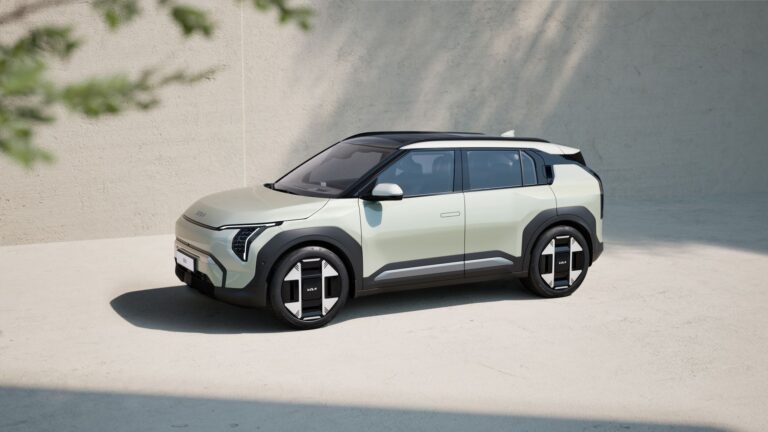
Battery electric vehicles (BEVs) emerge as a leading option for those seeking to minimize environmental impact. The study highlights that BEVs with smaller battery packs consistently demonstrate the lowest emissions. A BEV with a 200-mile range can achieve a 74-75 percent reduction in life cycle emissions compared to an equivalent ICE vehicle. Even larger BEVs with 300 and 400 miles of range offer significant reductions, cutting emissions by 81-83 percent and 67-69 percent, respectively.
These findings suggest that opting for a BEV with a smaller battery is a strategic choice for reducing one’s carbon footprint. Additionally, the increasing availability of BEVs on the market is likely to enhance their appeal, providing a practical, eco-friendly alternative to traditional combustion engine vehicles.
Hybrid and Plug-In Hybrid Options
While hybrids and plug-in hybrids (PHEVs) offer some environmental benefits, their impact varies significantly. The study indicates that standard hybrid powertrains, which do not plug in, reduce life cycle emissions by a modest 11 to 13 percent compared to ICE vehicles. This limited reduction highlights the need for more efficient alternatives.
Plug-in hybrids present a more promising option, with 35-mile range PHEVs reducing emissions by 53-56 percent. Those with a 50-mile range can achieve a 56-60 percent reduction, provided they operate in electric mode for a significant portion of the time. These vehicles offer a transitional option for consumers not yet ready to fully commit to electric vehicles, balancing the advantages of reduced emissions with the convenience of gasoline engines.
Tools for Informed Decision-Making
The University of Michigan study goes beyond theoretical insights by offering a practical tool for consumers. This interactive resource allows individuals to compare the carbon footprints of various vehicles based on their specific driving habits and locations. By inputting details such as driving patterns and regional factors, users can make informed decisions that align with their environmental values.
With climate change concerns continuing to rise, such tools empower consumers to take action at an individual level. They provide a valuable resource for those looking to contribute to carbon reduction efforts, aligning personal choices with broader environmental goals.
In a world where vehicle choices carry significant environmental weight, the University of Michigan study provides valuable insights for consumers aiming to reduce their carbon footprints. As the market for electric and hybrid vehicles expands, individuals have more opportunities to make sustainable choices. What steps will you take to ensure your next vehicle purchase aligns with your environmental values?