



Why choosing the right tires matters for your car
 By
Ethan Kowalczyk
By
Ethan Kowalczyk
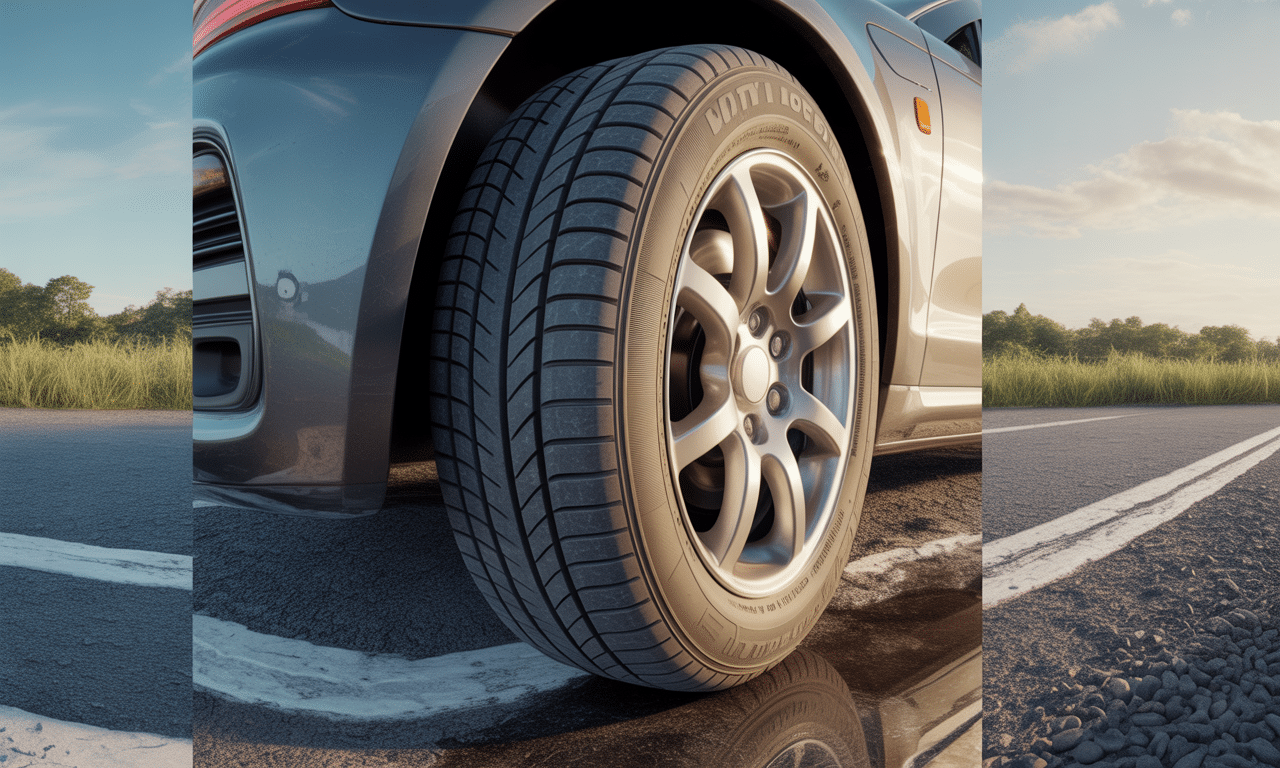
|
IN A NUTSHELL |
|
Choosing the right tires for your car is not a matter of aesthetics or brand loyalty; it is a fundamental decision that determines how your vehicle performs and how safe you are on the road. As the only components that actually touch pavement, tires directly affect fuel efficiency, traction, braking and overall handling. A poorly matched tire can increase stopping distances in wet or icy conditions, degrade cornering stability at speed, and accelerate uneven wear (raising long‑term ownership costs. Drivers who ignore manufacturer specifications or seasonal needs often face reduced safety margins and higher fuel bills. Choosing the correct size, tread design and compound requires attention to vehicle recommendations) found in the owner’s manual or door‑jamb placard (and to real‑world factors such as daily driving patterns and regional weather. Regular maintenance) proper inflation, timely rotation and monitoring tread depth, further preserves performance and extends service life. In short, the right tires are an investment in predictable handling, measurable savings and, most importantly, safer journeys.
Why tire choice matters
Tires are the single component that stands between your vehicle and the road, which means the wrong selection undermines everything you expect from your car: safety, economy, comfort, and performance. Choosing tires based on aesthetics or price alone is a false economy. Every mile you drive with mismatched or low-quality tires increases braking distance, reduces traction in adverse conditions, and accelerates wear on suspension components.
Argumentatively, the decision to upgrade or replace tires should be treated as an engineering choice rather than a mere maintenance task. Properly matched tires improve fuel efficiency by reducing rolling resistance; they sharpen steering response and ensure predictable handling in sudden maneuvers. Compare headlines about extreme machines (like Ford’s record-setting 1,400 hp F-150 Lightning Supertruck or the U9X’s near-record runs) and you’ll see that high performance is inseparable from tire selection. Articles such as the one about the F-150 Lightning highlight how specialized rubber and construction enable speed and control: Ford’s 1400 hp F-150 Lightning, and the U9X coverage shows how semi-slicks and bespoke suspension deliver measured gains: U9X speed exploits.
For everyday drivers, the stakes are no less important. Tires that underperform in wet, icy, or hot conditions compromise braking distances and increase the likelihood of hydroplaning. Trusted guides and industry blogs consistently emphasize the link between tire choice and safety; see guidance from consumer sites and technical guides like The Tire Reviews or the more general take on selection at FuelUpBlog.
Make tire selection an intentional decision supported by evidence, not guesswork. When you treat tires as a core part of vehicle performance, the benefits show up in lower running costs, fewer repairs, and a measurably safer driving experience.
How tire types affect performance
Not all tires are engineered the same, and the categorical differences translate directly into what you get on the road. There are several primary classes (all-season, summer/performance, winter, high-performance, and all-terrain/off-road) and selecting the right class requires aligning tire capabilities with intended use.
All-season tires aim for balance: reasonable wet and dry traction, acceptable ride comfort, and longer tread life for everyday driving. They are the default choice for many drivers who encounter mild seasonal variation. High-performance and summer tires trade longevity for exceptional grip, braking, and cornering at higher speeds; they are ideal for spirited driving but can become hazardous in cold conditions. Winter tires use specialized rubber compounds and tread designs to remain pliable and bite into snow and ice; they are indispensable in sub-freezing climates. All-terrain and mud-terrain tires are built with aggressive tread blocks and reinforced sidewalls for trucks and SUVs that regularly leave paved roads; they deliver traction on dirt and rocks at the expense of road noise and reduced fuel economy.
| Type | Primary strengths | Trade-offs | Recommended for |
|---|---|---|---|
| All-season | Balanced grip, long life | Compromised winter performance | Daily commuting, mixed climates |
| Summer / performance | Superior dry/wet grip, handling | Rapid wear in cold, poor snow traction | Sports cars, spirited drivers |
| Winter | Excellent snow/ice braking and traction | Faster wear in warm weather | Cold, snowy regions |
| All-terrain / off-road | Deep tread, sidewall protection | Noisy, lower fuel economy | Off-road use, light trucks |
When you examine independent reviews and manufacturer guidance, the same pattern emerges: match tire architecture to the tasks you ask of your vehicle. For tailored decision-making resources, consult professional guides like 5 Star Tires & Wheels or broader perspectives at Auto Alchemy.
Stopping power, lateral grip, and tread life are controllable outcomes when you pick the right tire family for your use case.
Matching tires to driving habits and weather
Choosing tires without considering your daily driving reality is a common mistake that undermines safety and value. Home-to-work commuters on highways value low rolling resistance and quiet ride; city drivers need short braking distances and maneuverability; owners who spend time on gravel or snow require specialized tread and tougher sidewalls. Your driving pattern and local climate should dictate the class and specification of tire you install.
Start with the tire size and load rating specified in your owner’s manual or on the placard inside the driver’s door; deviating from those specs can create handling imbalance and risk component stress. If you split time between long highway commutes and occasional spirited driving, a quality touring or all-season performance tire can balance comfort and grip. But if winters bring regular ice and snowfall, nothing substitutes for a dedicated winter tire during the cold months, this is a point backed by driving guides and in-depth explainers such as The Tire Reviews and the practical overviews on FuelUpBlog.
For truck and SUV owners who occasionally leave pavement, consider all-terrain tires with reinforced construction for puncture resistance, but accept that these choices usually increase cabin noise and reduce fuel economy. Owners of performance sedans or sports cars should weigh seasonal swaps (summer or performance tires for warm months, winter tires when temperatures drop) to preserve both safety and drivability. Manufacturers and aftermarket specialists often publish targeted recommendations; local shops like 5 Star Tires & Wheels provide hands-on advice tuned to region-specific conditions and vehicle types: guidance from a trusted shop.
Selecting tires based on honest assessment of where and how you drive reduces risk and saves money over the life of the tires.
Understanding tread patterns, construction, and wear
Tread design and tire construction are technical but decisive elements that determine real-world behavior. Tread patterns (symmetrical, asymmetrical, and directional) affect water evacuation, steering response, and contact patch behavior. Symmetrical treads prioritize longevity and predictable wear; asymmetrical layouts combine dry- and wet-grip zones for balanced performance; directional patterns excel at channeling water at speed to resist hydroplaning. Choosing the wrong tread for your conditions sabotages traction and accelerates uneven wear.
Beyond surface patterns, construction (radial ply counts, belt materials, and sidewall stiffness) shapes comfort and handling. Stiffer sidewalls improve cornering and steering precision but transfer more road harshness to the cabin. Softer constructions yield a more compliant ride but at the cost of high-speed stability. Tire compound chemistry governs temperature performance: winter compounds remain pliable in the cold, while summer compounds stiffen and can crack if used year-round in freezing conditions.
Monitoring tire wear is not optional. Regularly check tread depth and use simple tests, the penny test can flag worn treads but modern tread sensors and digital gauges provide more accurate feedback. Rotate tires per manufacturer recommendations to avoid uneven wear caused by alignment or driving style. If you notice cupping, feathering, or single-edge wear, those are symptoms of alignment, suspension, or balance issues that should be corrected promptly. Guides such as the common maintenance mistakes piece warn that neglected tires lead to compound vehicle damage and decreased safety margins.
Understanding why a tread wears, not just that it is worn, lets you fix root causes and extend useful life.
Maintenance and selection strategy for longevity
Choosing the best tire is only half the battle; preserving performance requires a disciplined maintenance strategy. Regular pressure checks, scheduled rotations, wheel balancing, and timely alignments extend tread life and protect fuel economy. Underinflated tires increase rolling resistance and accelerate wear, while overinflation concentrates stress in the center of the tread. Simple monthly checks with a reliable gauge are a small habit that produces measurable savings and safety gains.
Rotate tires every 5,000 to 8,000 miles to equalize wear across positions, particularly on front-wheel-drive cars where front tires endure higher loads. Balance wheels whenever you replace tires or feel vibrations at highway speeds. Alignment should be checked when you detect pulling or after hitting potholes; misalignment causes asymmetric wear that shortens tire life and impairs handling. When replacing tires, match new units in pairs or sets where feasible, mixing tread depths or constructions on an axle can produce unpredictable handling. For further practical advice, consult comprehensive guides like Auto Alchemy or the retailer-focused primer from 5 Star Tires & Wheels.
For drivers fascinated by extreme examples, note how bespoke tire choices enable record-setting runs and specialized applications, the Maserati McPura Cielo coverage demonstrates how design and tire pairing shape vehicle dynamics: Maserati McPura Cielo, and electric utility vehicle innovations underscore how range and capability change with the right rubber: electric utility vehicle.
Be proactive: prioritize correct specification, maintain rigorously, and use reputable resources such as The Tire Reviews, FuelUpBlog, and manufacturer guidance including KBB’s tire guide to inform your choices.
Why Choosing the Right Tires Truly Matters
Choosing the right tires is not a cosmetic decision, it’s a critical, practical choice that directly affects your car’s safety, performance, and long-term cost. Tires are the only point of contact between your vehicle and the road, so their design, compound, and tread pattern determine how effectively your car accelerates, brakes, and corners. Opting for the wrong tire undermines vehicle control and increases the risk of accidents, making careful selection an imperative rather than an option.
Beyond safety, the right tires influence your vehicle’s fuel efficiency and operating expenses. Tires with lower rolling resistance and proper inflation consume less fuel; conversely, mismatched or worn tires increase rolling drag and reduce mileage. Investing in appropriate tires that match your driving conditions and vehicle specifications will pay back through better economy and fewer premature replacements, making a clear financial argument for thoughtful selection.
Weather and driving habits must guide tire choice. A tire that performs admirably in warm, dry conditions may lose grip and become hazardous in snow or ice. Choosing between all-season, summer, and winter tires is not mere preference; it’s a matter of ensuring consistent traction and reliable braking when conditions change. Drivers who ignore seasonal needs trade short-term convenience for long-term risk.
Tire maintenance is inseparable from tire choice. Even the best tires underperform when neglected, incorrect tire pressure, uneven wear, or misalignment compromise handling and safety. Following manufacturer guidance in your owner’s manual, performing regular pressure checks, rotating tires, and maintaining proper balance and alignment maximizes the benefits of a quality purchase and extends durability.
Finally, brand reputation and real-world reviews matter. Not all tires marketed for a purpose deliver equal results; comparing options and consulting trusted professionals helps avoid costly mistakes. In short, selecting the right tires is a strategic decision that preserves safety, improves performance, and reduces lifetime costs, an essential investment in your vehicle and in every mile you drive.
Frequently Asked Questions about Choosing the Right Tires
Q: Why does choosing the right tires actually matter for my car?
A: Because tires are the only part of the vehicle in constant contact with the road, the right set directly determines safety, fuel efficiency, handling, and overall vehicle performance; prioritizing style or low price over proper fit and compound invites faster wear, worse stopping distances, and higher operating costs.
Q: How do tires affect my car’s fuel economy?
A: Tire design and pressure influence rolling resistance; properly sized, well-inflated tires with optimized tread compounds reduce energy loss and improve fuel economy, while underinflated or mismatched tires raise consumption and emissions.
Q: Aren’t all tires roughly the same for everyday driving?
A: No, tires are engineered for different conditions. All-season tires balance longevity and versatility, summer tires maximize grip in warm weather, and winter tires use softer compounds and deeper siping for cold, icy roads; using the wrong type compromises traction and safety.
Q: What should I look for in a tread pattern?
A: Tread pattern controls water evacuation, noise, and cornering: symmetrical patterns favor longevity and even wear, asymmetrical patterns improve mixed-condition grip, and directional designs excel at channeling water at higher speeds, choose the pattern that matches your driving priorities.
Q: How important is the owner’s manual or door sticker when selecting tires?
A: It is crucial: the manufacturer-recommended tire size and speed rating maintain handling characteristics and safety systems (ABS, stability control). Ignoring these specs risks poor performance and potential mechanical issues.
Q: Should I prioritize brand reputation or price?
A: Prioritizing reputable brands and verified reviews usually yields better long-term value; cheaper tires can save upfront but often wear faster and perform worse in critical conditions, investing in quality is an investment in safety and durability.
Q: What routine maintenance keeps tires performing well?
A: Regularly checking tire pressure, rotating tires every 5,000-8,000 miles, maintaining proper wheel alignment and balancing, and monitoring tread depth are non-negotiable steps to extend tire life and preserve handling.
Q: How do I know when to replace my tires?
A: Replace tires when tread is worn to the legal or safe limit, when sidewalls show damage, or when you experience persistent vibration; simple checks like a tread gauge or the classic coin test reveal when grip and water evacuation are no longer reliable.
Q: Is it okay to replace just one tire if the others are nearly new?
A: Replacing a single tire is risky because different tread depths and compounds upset balance and traction; when possible, replace in pairs or all four to maintain predictable handling and even wear.
Q: When should I consult a professional tire shop?
A: Consult a trusted shop whenever you’re unsure about correct tire type, size, or condition, or after noticing uneven wear, vibration, or handling changes; professional guidance prevents mistakes and ensures the tires you choose match your driving needs and local conditions.